
Home Insurance Claim Viability Tool
Question 1: When did the damage occur?
Question 2: Select the Suspected Cause
Select one if true:
Analysis Result
The Short Answer Depends on Your Policy
You notice a dip in your hallway or a door that refuses to close. You feel that unsettling shift in the floorboards under your feet. Your immediate thought is probably about who pays for the fix. The reality is rarely a simple yes or no. Most standard policies exclude damage caused by wear and tear, neglect, or gradual deterioration. However, if a specific insured event triggered the sag, you might have a viable claim.
Sagging floors are structural issues indicating potential problems with joists, foundations, or subfloor supports. Insurance companies view these through a strict lens. They differentiate between an internal failure of the building material and an external force that damaged it. For instance, if termites ate away your timber joists over three years, that is considered maintenance. If a nearby construction project destabilized the soil beneath your house overnight, that could be covered.
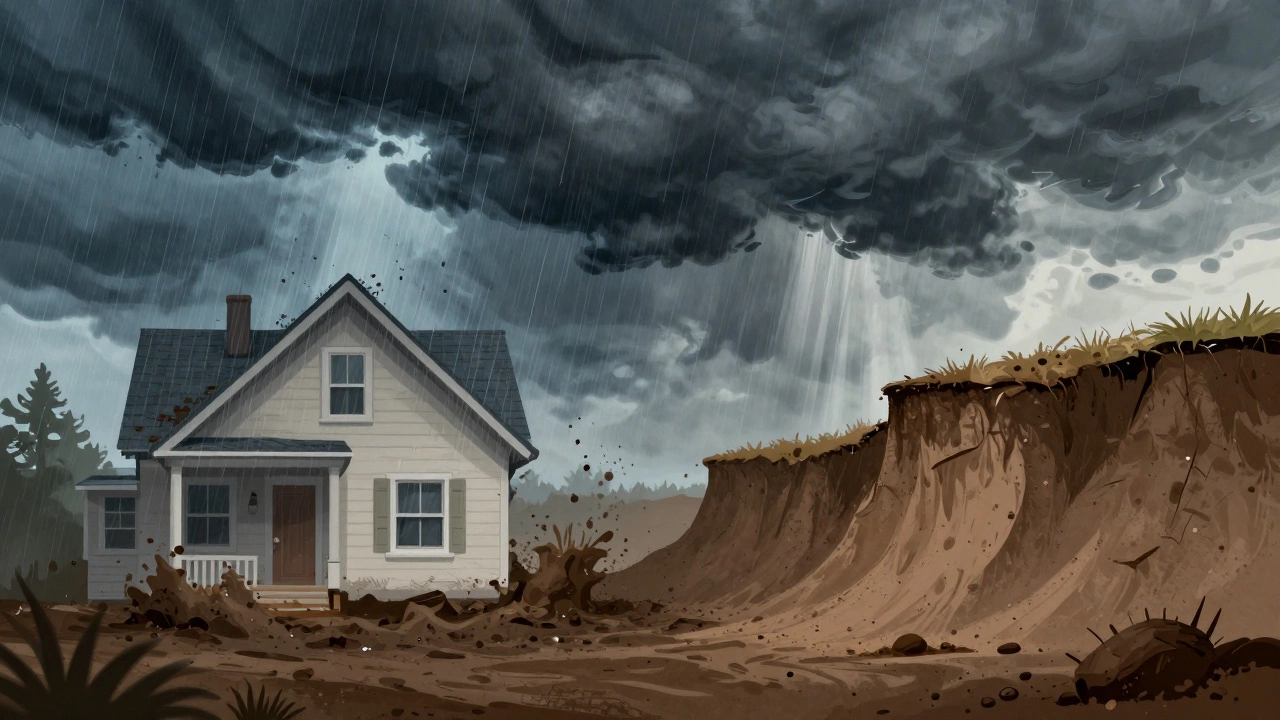
Living in Auckland, we often see issues related to our unique geography. Our volcanic soils are excellent for building but can behave unexpectedly during heavy rain seasons. A sudden landslide caused by extreme weather might trigger coverage under natural disasters clauses. On the other hand, normal ground settlement that happens slowly over decades is almost never included. Understanding this distinction is the first step before calling your insurer.
Understanding the Sudden Versus Gradual Rule
Insurance policies are built around the concept of fortuitous risk. This means they cover unexpected accidents, not predictable aging. Think of your home insurance as protection against surprises, not a maintenance fund for old structures. When you submit a claim for sinking floors, the adjuster immediately asks about the timeline.
- Damage Type
- Gradual Settling: Slow sinking due to soil compression over years.
- Sudden Event: Rapid movement from a quake, storm, or flood.
If your foundation repair needs stem from gradual settling, your policy will likely deny it. Companies argue you should have maintained the drainage and inspected the property regularly. Conversely, if a storm caused flash flooding that washed away the supporting fill under your slab, resulting in immediate drops, the argument changes. The key word there is "immediate."
We see homeowners in New Zealand assume their policy covers everything under the term "comprehensive." That label is misleading. Even comprehensive policies have specific exclusions listed in your summary of conditions. Look closely at the fine print regarding land movement, erosion, or seepage. These terms often act as catch-alls for denying claims related to earth movement that isn't strictly defined as an earthquake.
What Triggers Coverage for Structural Issues?
To get a payout for structural issues, you need a clear chain of causality. You must prove Event A (the storm) caused Condition B (the collapse). Without that link, the loss falls back to general maintenance. Let's look at the specific scenarios where coverage applies.
- Fire or Explosion: If a furnace explosion damages structural beams, leading to sagging, this is standard fire coverage.
- Vandalism or Malicious Damage: Rare for structural issues, but if a contractor intentionally sabotages work, malicious damage clauses may help.
- Earth Movement: Standard policies usually cover earthquakes. Volcanic action is sometimes included, but land subsidence (soil sliding) is frequently excluded unless specified.
In New Zealand, QuakeCover (EQC) provides basic cover for earthquake damage. If the sagging floors resulted directly from ground shaking exceeding the threshold EQC monitors, they might handle the initial assessment. Private insurance kicks in for damage beyond EQC limits. However, many people confuse EQC coverage with full private policy coverage. Always check the overlap.
There is also the matter of water damage. Water ingress is a common cause of rot that leads to sagging. If a pipe burst suddenly and rotted a floor beam over a few months, that burst pipe is the insured peril. But if the leak was present for years and you ignored dripping taps, the negligence voids the claim. The timeframe of discovery versus the timeframe of the incident matters significantly.
The Role of Professional Assessment
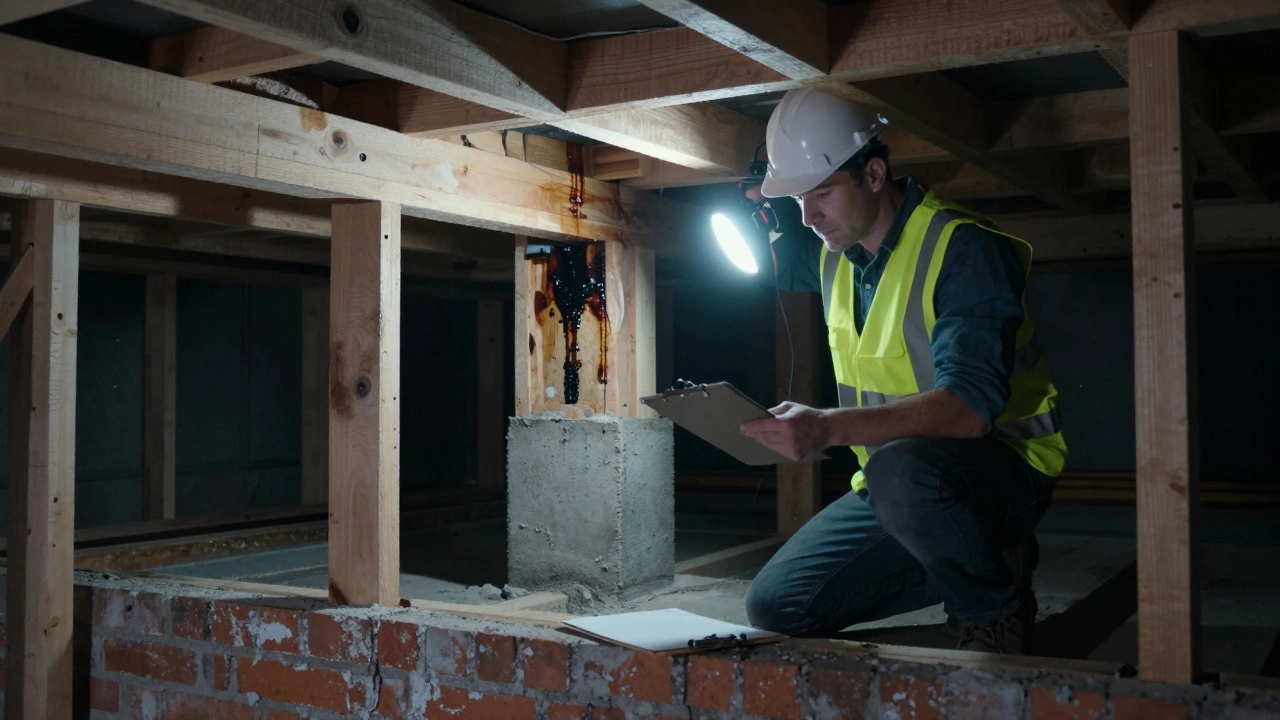
You cannot file a solid claim on gut feelings alone. Insurance companies require professional validation of the cause. Before notifying your insurer, you often need to gather evidence. This starts with photos and videos of the visible sag, cracks in walls, and gaps at windows. Timestamped media is crucial here.
A qualified Structural Engineer plays a vital role in this process. They provide an independent report detailing exactly what failed and why. They can determine if the failure is due to design flaws, poor construction history, or an external event. Their report gives the insurance adjuster the technical backing needed to approve or deny the request.
Without this report, adjusters often default to "wear and tear." In my experience working with contractors in the region, a lack of documentation is the number one reason claims stall. An engineer can identify that the timber used didn't meet the Building Code standards, shifting liability to the original builder rather than you. Alternatively, they might confirm that recent tree removal caused the soil to dry and shrink, which could be contested if the trees were removed by a third party.
Maintenance and Negligence Clauses
This is the tricky part that catches many people out. Policies explicitly exclude loss arising from your failure to maintain the property. Maintenance includes clearing drains, repairing leaks, treating timber, and keeping subfloors ventilated. In older Auckland homes, dampness is a constant battle.
If your sagging floors result from damp wood rotting because the subfloor vents were blocked by vegetation, the insurer sees this as preventable. They expect you to keep airflow moving underneath the house. Blocked vents lead to condensation, which rots timber, which leads to collapse. This chain reaction is categorized as lack of care. To protect yourself, keep records of any maintenance you perform. Photos of clean vents or repaired downpipes taken during inspections serve as proof of duty.
Another common issue involves termite or pest infestation. Standard home insurance generally excludes insect damage entirely. While this sounds unfair, the logic remains: pests are something you can control via prevention. If you haven't treated your home recently and find significant insect damage causing structural weakness, don't expect a payout. Some specialized warranties exist for new builds, but those expire quickly.
Navigating the Claims Process Step-by-Step
If you believe you have a valid reason for a claim, follow a structured approach to maximize your chances. Rushing to tell your agent you need money for floor leveling won't help. You need to frame the narrative correctly.
- Document Everything: Take wide shots and close-ups. Note dates on every photo.
- Hire a Professional: Engage a certified engineer before doing major repair work.
- Contact Your Insurer: File a preliminary inquiry to see if your specific clause aligns with the damage type.
- Submit Evidence: Provide the engineer's report and maintenance logs.
- Review the Outcome: If denied, ask for the written explanation so you can appeal with new facts.
Timing is everything here. Delays in notification can give insurers grounds to reject the claim based on prejudice arguments. They argue that waiting allowed further damage that they cannot now assess. Report the problem as soon as you realize the severity. Even if you aren't ready for the full claim, logging the date you discovered the issue creates a paper trail.
Alternatives When Insurance Fails
Often, you reach a dead end with the insurance company. If they deny coverage for your sagging floors, you still need them fixed. This shifts the conversation to funding. Banks offer equity release loans for essential home repairs. Sometimes, if the home is a rental investment, you might access landlord insurance if you had that specific add-on.
Government grants occasionally become available for heritage buildings or specific housing initiatives. Keep an eye on local council announcements. In some cases, if the damage originated from a neighboring land development, you might pursue a legal claim against the developer's insurance instead of your own. This requires legal counsel but opens different doors.
Preparation saves money. Investing in a regular home inspection plan ensures small issues like minor cracks or ventilation blockages don't turn into massive structural failures later. Regular maintenance costs money, but it is cheaper than replacing a foundation system after it fails. Treat your home insurance as a backup for true catastrophes, not a subscription for fixing aging infrastructure.
Does home insurance cover foundation settling?
Generally, standard policies exclude normal ground settling. It is viewed as a natural aging process of the land rather than a sudden accident. Only rapid settlement linked to an insured peril like a major storm or earthquake might qualify.
Will I get paid for termite damage to floor joists?
Most insurance contracts in New Zealand explicitly exclude damage caused by insects, pests, or fungi. This is categorized under pest control and routine maintenance responsibilities of the homeowner.
How much does a structural engineer cost for an insurance report?
Costs vary by location and severity. In Auckland, a detailed structural assessment typically ranges from $800 to $2,500 depending on site complexity. Many homeowners deduct this from the final settlement if the claim succeeds.
Can I claim if water damage caused the floor to sag?
Yes, if the water entry was sudden and accidental, such as a burst pipe. If the water came from a slow leak you ignored, the claim is likely denied as negligence.
Does EQC cover sagging floors?
EQC covers damage caused by natural disaster events like earthquakes or landslips. They do not cover gradual deterioration or maintenance issues. You must register your claim online within six months of discovering the damage.