Kitchen Flooring Matchmaker
Answer a few questions about your lifestyle to find the floor that minimizes your scrubbing time.
What is your primary priority for your kitchen floor?
Material Name
- Luxury Vinyl Plank (LVP) is the gold standard for balance between looks, cost, and ease of cleaning.
- Porcelain Tile is the most durable and waterproof but has the "grout trap" problem.
- Polished Concrete is nearly impossible to stain and requires the least effort for daily maintenance.
- Sheet Vinyl is the cheapest and easiest to wipe, though it lacks the premium feel of other options.
The Low-Maintenance Heavyweight: Luxury Vinyl Plank
If you want the look of hardwood without the stress of sanding or worrying about a leaking dishwasher, Luxury Vinyl Plank (often called LVP) is your best bet. Unlike old-school vinyl, LVP is a synthetic flooring material made from layers of PVC and a reinforced wear layer that mimics natural wood or stone. It is designed specifically to be waterproof and scratch-resistant.
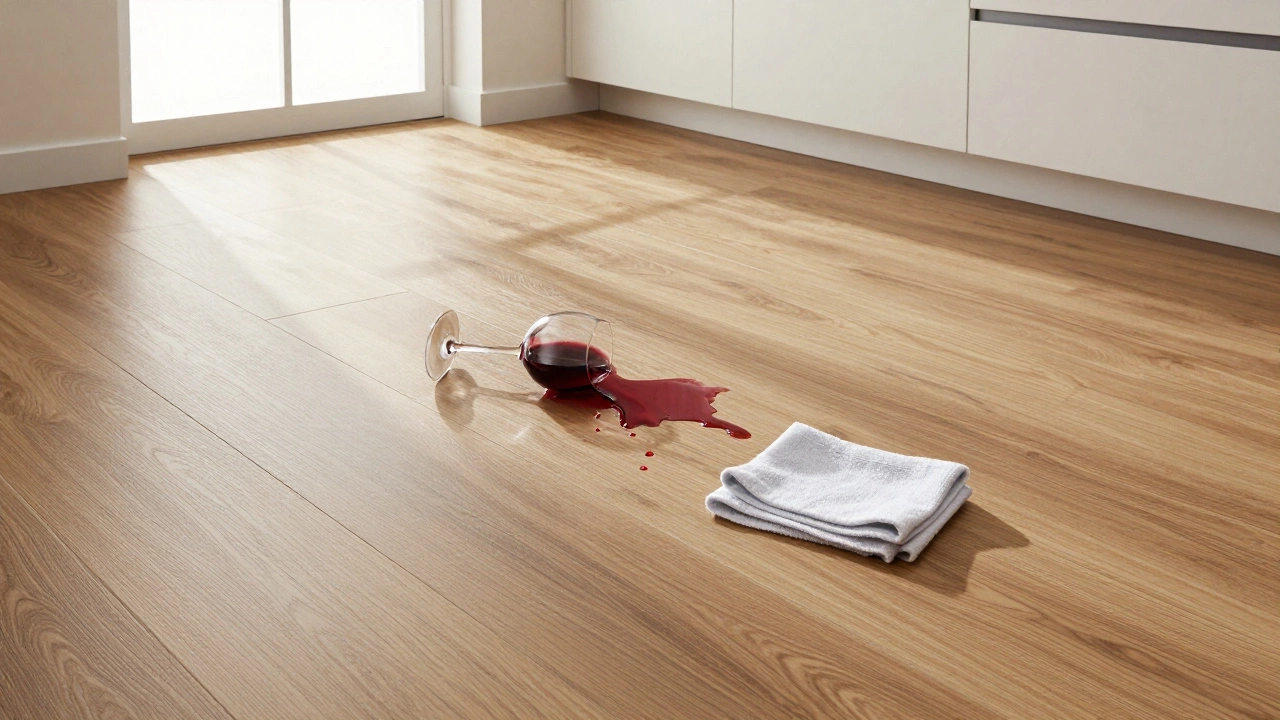
Why is it so easy to clean? Because it's non-porous. When you spill a glass of red wine, the liquid sits on top of the surface rather than soaking into the fibers or cracks. You can literally just swipe it away with a damp microfiber cloth. Because most LVP uses a click-lock system, there are no deep seams for dirt to hide in. If you have kids or pets, you'll find that LVP handles "high-traffic zones"-like the area in front of the stove-without showing the wear and tear that would ruin a real oak floor.
The Indestructible Choice: Porcelain Tile
When we talk about a floor that can survive a decade of abuse, we have to talk about Porcelain Tile. It is a dense, fired ceramic material that is significantly less porous than traditional ceramic tiles. Because it's baked at such high temperatures, it's incredibly hard and resists stains better than almost anything else on the market.
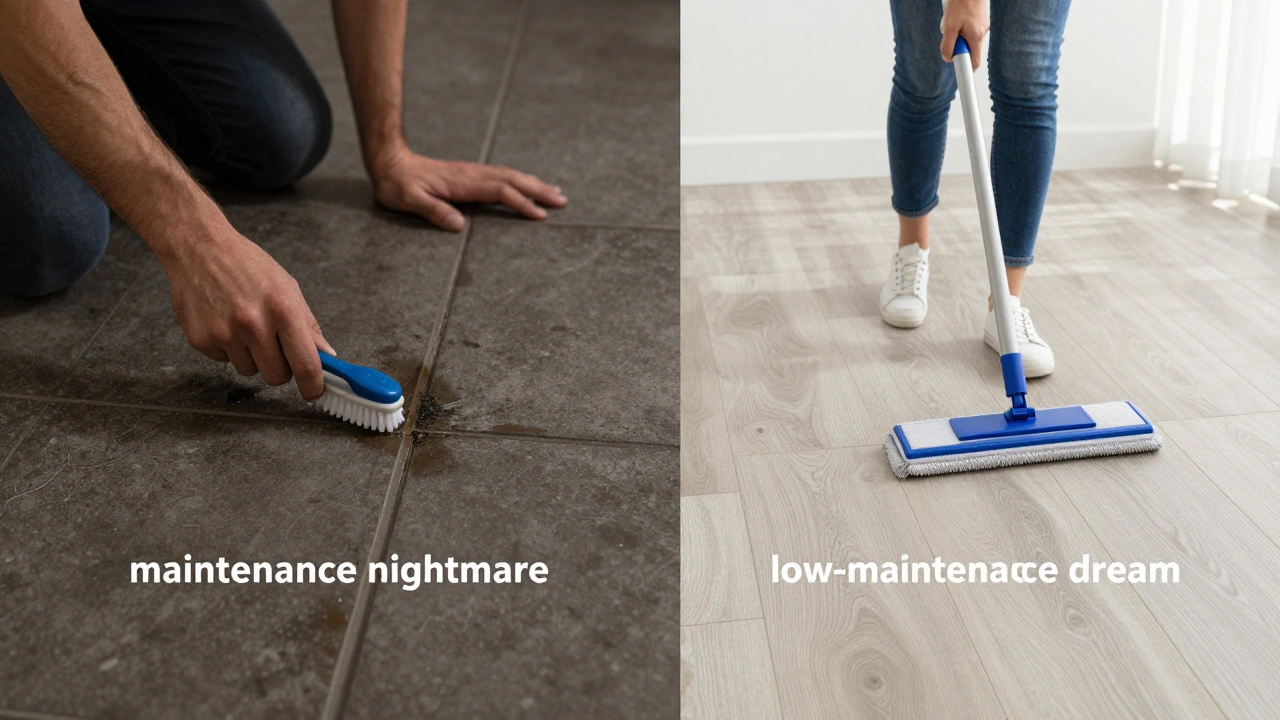
However, there's a catch: the grout. The tile itself is a breeze to clean, but the Grout-the sandy filler between tiles-is a magnet for grease and grime. To make porcelain the "easiest" floor, you have to be smart about the installation. Use large-format tiles (like 24x24 inches) to minimize the number of grout lines. Even better, use an epoxy grout, which doesn't absorb water or stains like traditional cement-based grout does. If you go this route, a quick pass with a steam mop once a week is usually all you need to keep it sparkling.
The Modern Minimalist: Polished Concrete
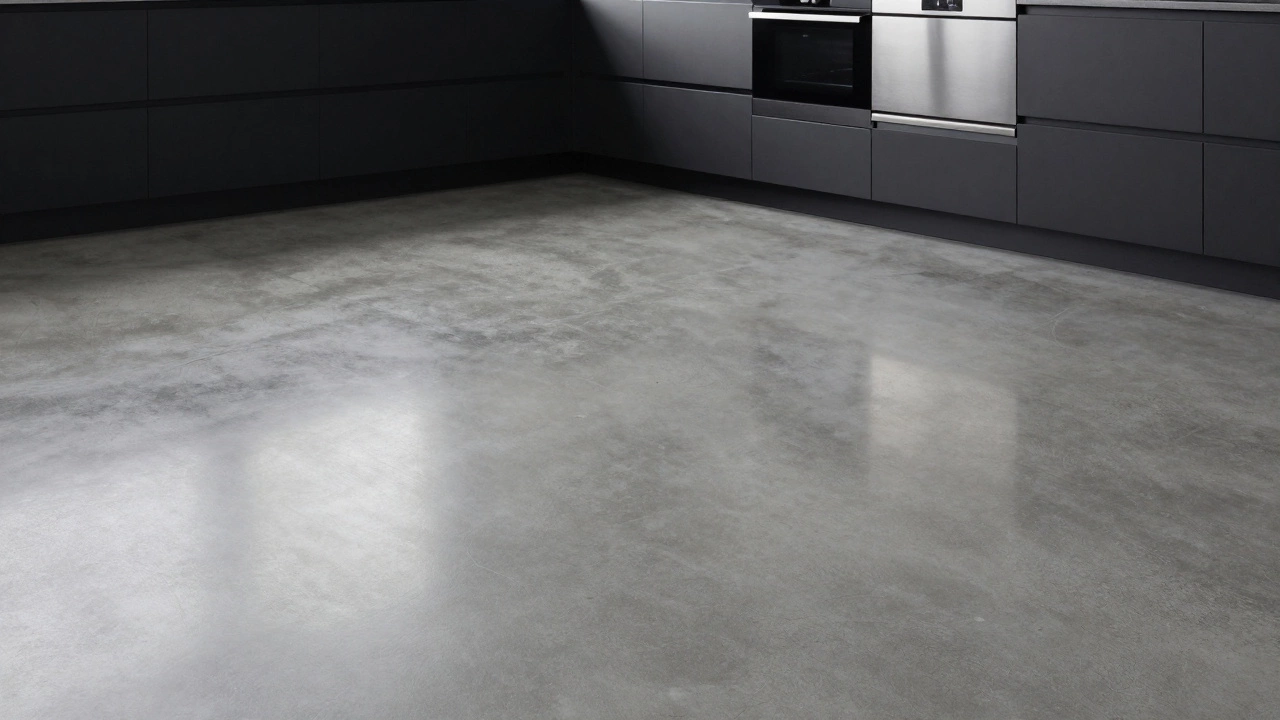
For those who love the industrial look, Polished Concrete is essentially a cheat code for cleanliness. This isn't just a slab of cement; it's a process where the concrete is ground down with diamond abrasives and sealed with a high-performance polymer. The result is a seamless, glass-like surface.
Think about it: no seams, no grout, no planks. There is nowhere for dust to settle. If you spill oil or soy sauce, it doesn't soak in because the sealer creates a chemical barrier. You can clean the entire kitchen floor with a simple dust mop and a splash of water. The only downside? It can be cold on the feet and incredibly hard, so if you're prone to dropping expensive glassware, you might want to reconsider. But in terms of pure "effort vs. result," concrete wins every time.
The Budget-Friendly Workhorse: Sheet Vinyl
We aren't talking about the peeling linoleum from the 1970s. Modern Sheet Vinyl is a single, continuous piece of flooring that rolls out across the room. Because it is one giant sheet, it eliminates almost all seams where bacteria and crumbs usually congregate.
It's the easiest floor to mop because there's zero resistance-no gaps to catch the mop head. It's also the most forgiving on your joints. While it doesn't add as much resale value to a home as tile or LVP, it is functionally superior for people who just want to spray, wipe, and get on with their day. If you're renovating a rental property or a laundry room, this is the most logical choice.
Comparing the Top Contenders
Choosing the right floor depends on what you're actually willing to do on a Sunday morning. Some people hate scrubbing grout; others hate the idea of a vinyl floor scratching. Here is how they stack up based on real-world maintenance.
| Flooring Type | Water Resistance | Stain Resistance | Daily Cleaning Effort | Long-term Maintenance |
|---|---|---|---|---|
| Luxury Vinyl Plank | Excellent | High | Very Low | Low (No sanding) |
| Porcelain Tile | Maximum | Maximum | Low | Medium (Grout cleaning) |
| Polished Concrete | High | High | Minimum | Very Low (Resealing every few years) |
| Sheet Vinyl | Excellent | Medium | Very Low | Low |
Pitfalls to Avoid When Choosing
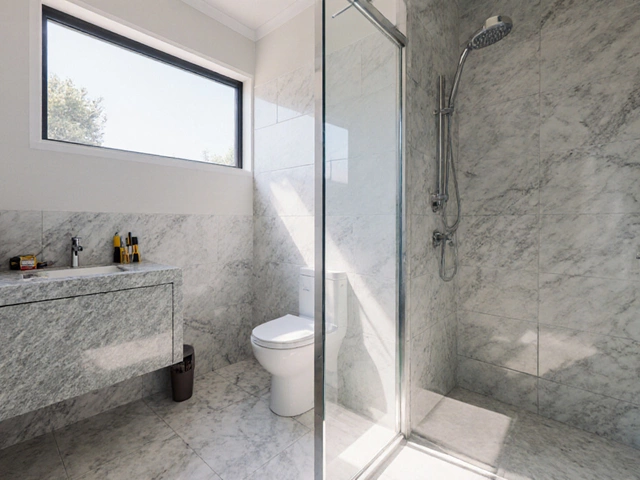
It's tempting to go for the "trendiest" floor, but some options are maintenance traps. For example, Natural Marble looks stunning, but it's a nightmare in a kitchen. Marble is porous and reacts with acid. One squeeze of a lemon or a splash of vinegar can leave a permanent "etch" mark on the stone. Unless you enjoy polishing your floors every month, stay away from unsealed natural stones.
Similarly, real hardwood is a gamble. While it's beautiful, water is its greatest enemy. A slow leak under the fridge can warp wood planks, leading to expensive repairs. If you love the look of wood, stick to the strong easiest kitchen floor to keep clean by opting for LVP. You get the visual warmth of oak or walnut without the anxiety of a spilled glass of water.
Daily Routine for a Low-Maintenance Kitchen
Even the best floor will look terrible if you let grime build up. To keep your choice of flooring in top shape, follow this simple hierarchy of cleaning:
- The 5-Second Rule: Blot spills immediately. Don't let liquids sit, especially on vinyl, to avoid any potential seam penetration.
- The Dry Pass: Use a microfiber dust mop daily. This removes the grit and sand that act like sandpaper on your floor's wear layer.
- The Damp Mop: Once a week, use a pH-neutral cleaner. Avoid using bleach or ammonia on LVP and concrete, as these can strip the protective sealant.
- The Deep Clean: For porcelain, use a steam cleaner every few months to lift deep-seated oils out of the grout lines.
Is laminate flooring easy to clean in a kitchen?
Laminate is generally easier to clean than hardwood, but it's riskier than vinyl. Many laminate floors are not fully waterproof; if water seeps into the joints, the core can swell and "peak," causing permanent damage. If you choose laminate, ensure it is specifically rated as "water-resistant" and avoid using a soaking wet mop.
Does the color of the floor affect how clean it looks?
Absolutely. Very dark floors show every speck of dust, pet hair, and dried water spot. Pure white floors show every crumb and hair. The "cheat code" is a mid-tone, variegated color-think grey-beige or a multi-tonal wood grain. These patterns camouflage small debris, making the floor look clean even if you've skipped a day of sweeping.
Can I use a robot vacuum on LVP or Tile?
Yes, both are ideal for robot vacuums. However, if you have LVP, make sure the vacuum doesn't have aggressive scrubbing brushes that could potentially scratch a softer wear layer. For tile, a robot with a mopping attachment is a game-changer for maintaining grout lines daily.
What is the most durable floor for a high-traffic kitchen?
Porcelain tile and polished concrete are the winners for durability. They can withstand heavy furniture, dropped pots, and constant foot traffic for decades without showing significant wear. LVP is a close second, though its top layer can eventually wear down after 10-20 years.
How do I remove stubborn stains from vinyl floors?
Avoid abrasive scrubbing pads that can scratch the surface. Instead, make a paste of baking soda and water, apply it to the stain, let it sit for ten minutes, and wipe away with a soft cloth. For greasy residue, a drop of mild dish soap on a damp sponge usually does the trick.
Final Thoughts on Your Flooring Journey
When you're standing in the middle of a flooring store, ask yourself: "Do I want to spend my time living in my kitchen, or cleaning it?" If the answer is living, lean toward Luxury Vinyl Plank or Polished Concrete. They provide a seamless experience that lets you ignore the floor for a few days without the house looking like a disaster zone. If you want a permanent, generational floor and don't mind a bit of grout maintenance, porcelain is your rock. Just remember to pick a color that hides the dust, and you'll save yourself a lot of stress in the long run.