Renovation Timeline Calculator
Calculate Your Renovation Timeline
Enter your project details to estimate how long your renovation might take in New Zealand. Based on data from the article and typical NZ construction factors.
Select your project details above to see an estimated timeline.
When planning a house renovation the process of updating or rebuilding parts of a home, timing isn’t straightforward. Many assume it’s just a matter of weeks, but real-world factors like permits, contractor availability, and hidden problems can stretch projects from months to over a year. Let’s break down what affects your timeline and what to expect in New Zealand.
Why Renovation Timelines Vary So Much
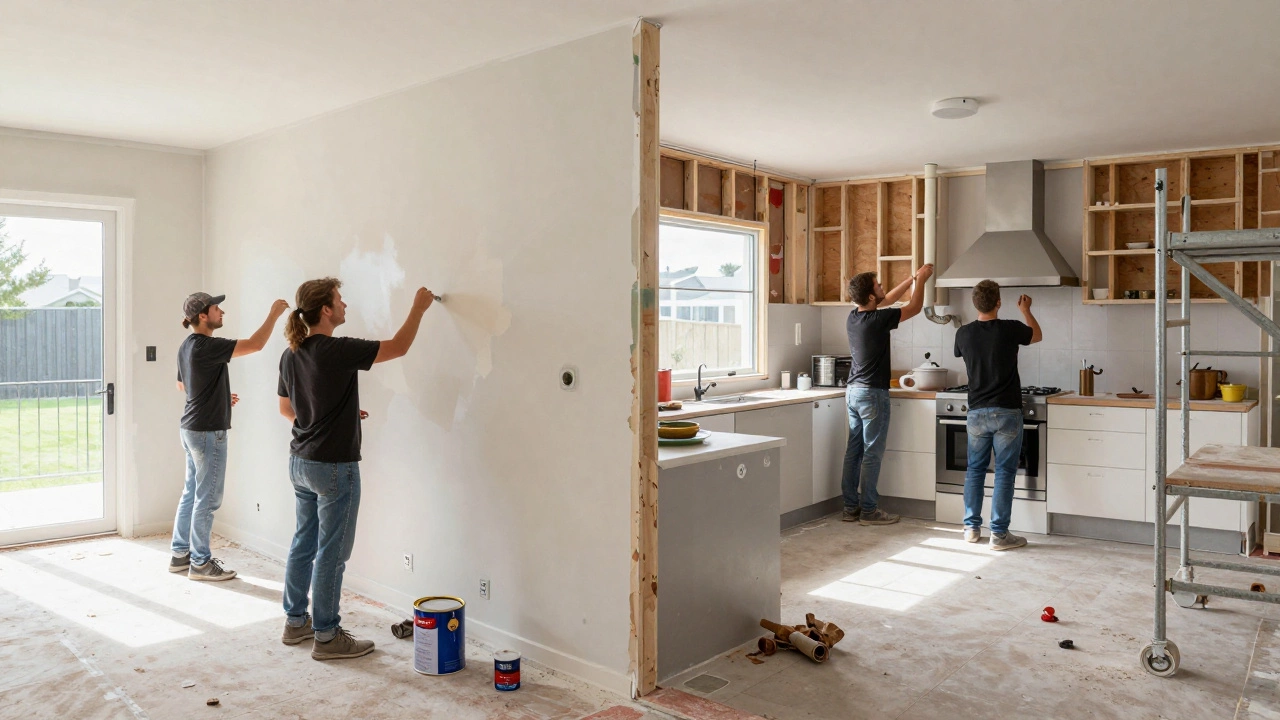
Imagine two identical houses in Auckland. One gets a simple paint job in 10 days. The other takes 6 months for a full kitchen and bathroom overhaul. The difference? Scope. A house renovation timeline depends entirely on what you’re changing. Small updates like repainting walls or swapping fixtures might take days. But moving plumbing, electrical, or structural elements? That’s a different story. In New Zealand, even minor changes often require building consent from your local council. For example, replacing a bathtub might seem simple, but if it involves moving pipes, you’ll need a permit. This alone adds 4-6 weeks before work even starts.
Another big factor is contractor availability. In 2026, New Zealand’s construction industry is still feeling the effects of pandemic-era labor shortages. Reputable contractors in Auckland often have backlogs of 2-3 months. Even with permits in hand, you might wait weeks for a start date. And don’t forget weather. Winter rains in New Zealand (June-August) can halt outdoor work like roofing or landscaping. This isn’t just a seasonal delay-it can ripple through your entire schedule.
Typical Renovation Timelines for Common Projects
| Project Type | Typical Duration (Days) | Key Factors |
|---|---|---|
| Bathroom Renovation | 28-56 | Plumbing, tiling, permits |
| Kitchen Remodel | 56-84 | Cabinetry, appliances, structural changes |
| Whole House Renovation | 90-180 | Scope of work, permits, contractor availability |
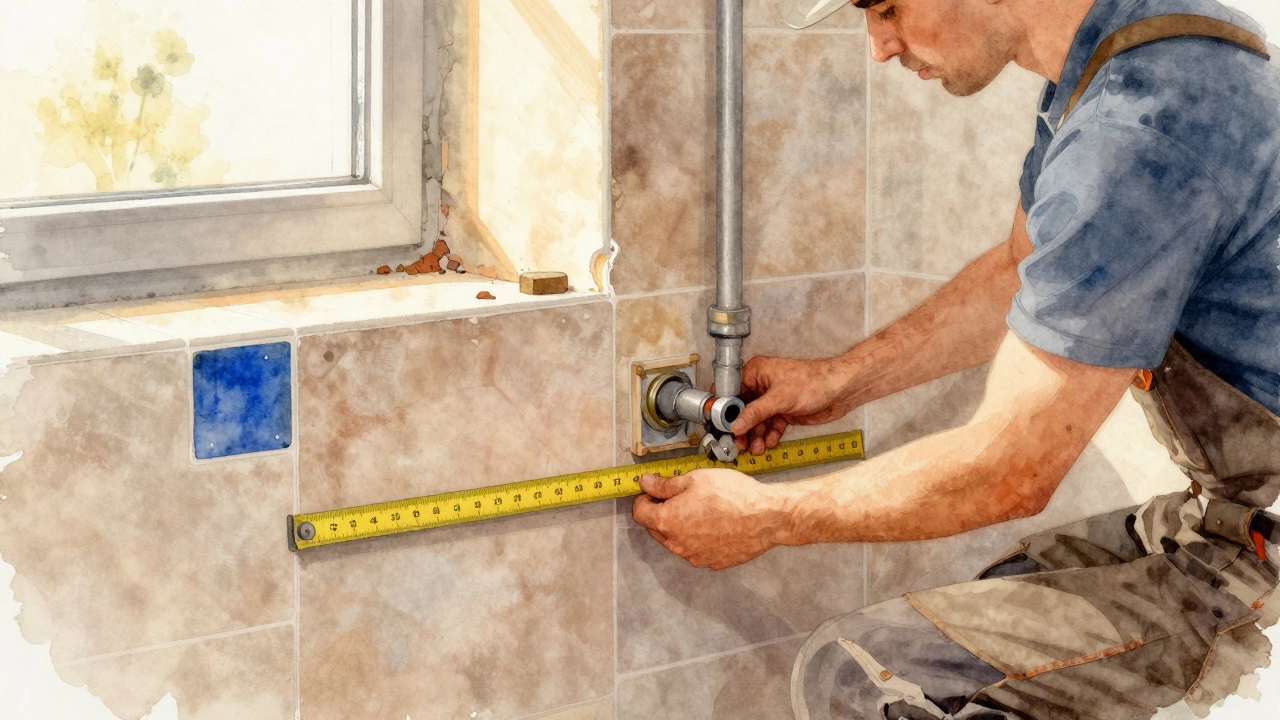
Let’s get specific. A bathroom renovation in New Zealand usually takes 4-8 weeks. If you’re only swapping fixtures and repainting, you might finish in 3 weeks. But if you’re moving walls or updating plumbing, expect delays. For example, discovering old lead pipes during demolition could add 10 days for safe replacement. Similarly, a kitchen remodel typically runs 8-12 weeks. Custom cabinetry alone takes 4-6 weeks to build and install. If you need to reinforce floors for heavy appliances like double ovens, that adds more time. Whole-house renovations? Plan for 3-6 months. This includes everything from rewiring to new roofing, which often requires multiple permits and inspections.
How to Avoid Common Delays
Most renovation delays come from avoidable mistakes. Here’s how to stay on track:
- Get permits early: Start the application process before hiring a contractor. In Auckland, building consent applications can take 4-6 weeks. Submitting incomplete plans will reset the clock.
- Choose contractors wisely: Look for reviews mentioning timely delivery. Ask for references from past clients in similar projects. A contractor who’s booked 3 months out might seem busy, but they’re likely reliable.
- Build in buffer time: Add 10-15% extra days to your estimate for surprises. For example, if you think a bathroom will take 4 weeks, plan for 5. This covers issues like asbestos discovery or supply chain hiccups.
- Stay involved: Weekly check-ins with your contractor prevent small problems from becoming big delays. If you spot a wiring issue during demolition, address it immediately instead of waiting for the next scheduled meeting.
One homeowner in Christchurch learned this the hard way. She chose a contractor with low rates but no references. Mid-project, they discovered the house had structural rot. The contractor couldn’t fix it and disappeared. She had to restart with a new team, adding 6 weeks to her timeline. Always verify credentials-check the NZ Building Code the legal requirements for construction in New Zealand compliance and ask for proof of insurance.
What Happens When Surprises Arise
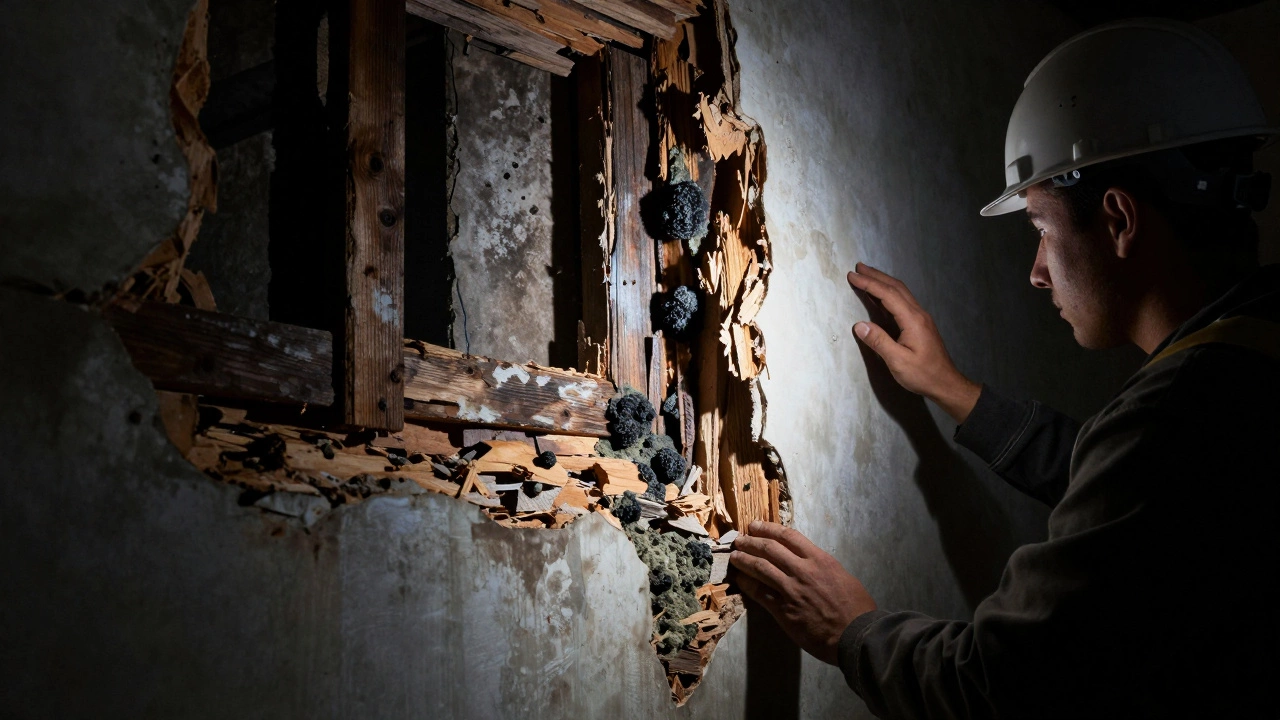
Older homes (built before 1990) often hide problems. During demolition, you might find:
- Asbestos in insulation or flooring (requires licensed removal)
- Rotting timber from water damage (needs structural repairs)
- Outdated wiring that doesn’t meet current standards (full rewiring needed)
These issues can add weeks or months. For example, asbestos removal in a 1970s home typically takes 2-3 weeks. The Auckland Council the local government authority for Auckland, New Zealand requires specific procedures for this. If you skip testing, you risk fines or health hazards. Always budget for unexpected costs-around 10% of your total renovation budget.
FAQ: Your Renovation Timeline Questions Answered
How fast can a bathroom renovation be completed?
The fastest bathroom renovation in New Zealand might take 3 weeks for a minor refresh-like new tiles, fixtures, and paint-without moving plumbing. But most full remodels take 4-6 weeks. If you’re changing the layout or dealing with asbestos, it could take 8 weeks or more.
Can I live in my house during a renovation?
Yes, but it depends on the scope. For a single-room renovation like a bathroom, you can usually stay. However, for a kitchen remodel or whole-house project, you might need to move out temporarily. Safety and dust are major concerns. Contractors often recommend setting up a temporary kitchen or bathroom if you stay.
Are there any shortcuts to speed up the process?
Not really. Skipping permits or hiring unlicensed workers might seem faster, but it’s risky. You could face fines or have to redo work. The best way to save time is to plan thoroughly, get permits early, and choose a reliable contractor. For example, ordering custom cabinetry 6 months in advance avoids waiting for delivery.
Does the time of year affect renovation timelines?
Yes. In New Zealand, winter (June-August) can slow down projects due to rain and cold temperatures. Wet weather makes it harder to work on exterior walls or foundations. Spring and autumn are generally the best times to start. However, contractors might be busier during these seasons, so book early.
What happens if I find unexpected issues during demolition?
This is common. Once walls are open, you might discover rot, mold, or outdated wiring. Your contractor should have a contingency plan. Typically, they’ll pause work, assess the problem, and give you a revised timeline and cost estimate. Having a 10-15% buffer in your budget and schedule helps manage these surprises.