Awkward Space Decor Simulator
Configure Your Space
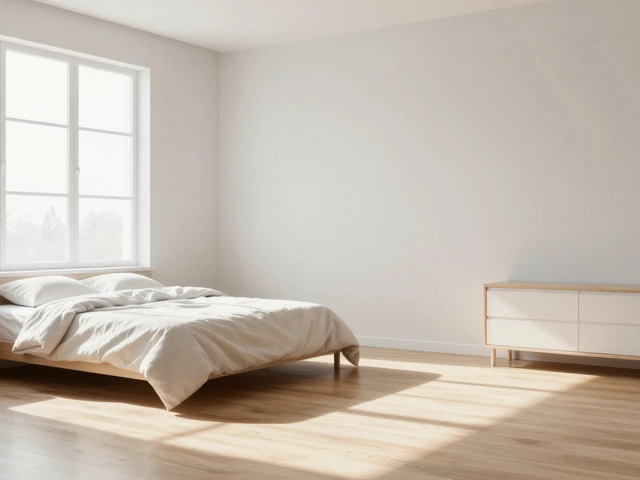
You know the one. It’s that odd little pocket of square footage in your house that defies logic. Maybe it’s a hallway extension that leads nowhere, a boxy alcove under the stairs, or a narrow strip between two major living areas. You walk past it daily, wondering what on earth you’re supposed to do with it. Should it be a closet? A storage dump? Or just... empty?
Here is the truth: there is no such thing as a useless room. There are only rooms waiting for the right purpose. In Auckland, where property prices make every square meter precious, ignoring these spaces is like throwing money away. But forcing a standard layout onto an irregular shape often results in cluttered chaos. The secret isn’t trying to make the space look like a mini-living room. It’s about leaning into its weirdness.
Why Your Brain Hates This Room (And How to Fix It)
Before you buy a single cushion, you need to diagnose why the space feels "wrong." Usually, it’s one of three things: bad lighting, confusing proportions, or lack of definition. If a room has no windows, it feels like a cave. If it’s long and narrow, it feels like a tunnel. If it’s tiny, it feels claustrophobic.
Start by changing the perception of size. Light colors are the obvious first step, but they aren’t enough. You need vertical lines. Floor-to-ceiling curtains or tall bookshelves draw the eye upward, making low ceilings feel higher. Mirrors are your best friend here, but don’t just hang a random oval mirror. Place a large mirror opposite the source of light-even if that light is just a lamp. This bounces photons around the room, tricking your brain into thinking the space extends beyond the wall.
Consider the flow. If this "useless" room is a pass-through, keep the center clear. Don’t block the path with bulky furniture. Instead, use the walls. Wall-mounted desks, floating shelves, and slim consoles keep the floor visible, which psychologically expands the area.
Turn Dead Space into a Dedicated Nook
The most common mistake is trying to make a small, awkward room serve multiple purposes. "It can be a guest room AND a gym AND a library," you say. No, it can’t. That’s how you end up with a pile of yoga mats buried under spare bedding. Pick one job and do it well.
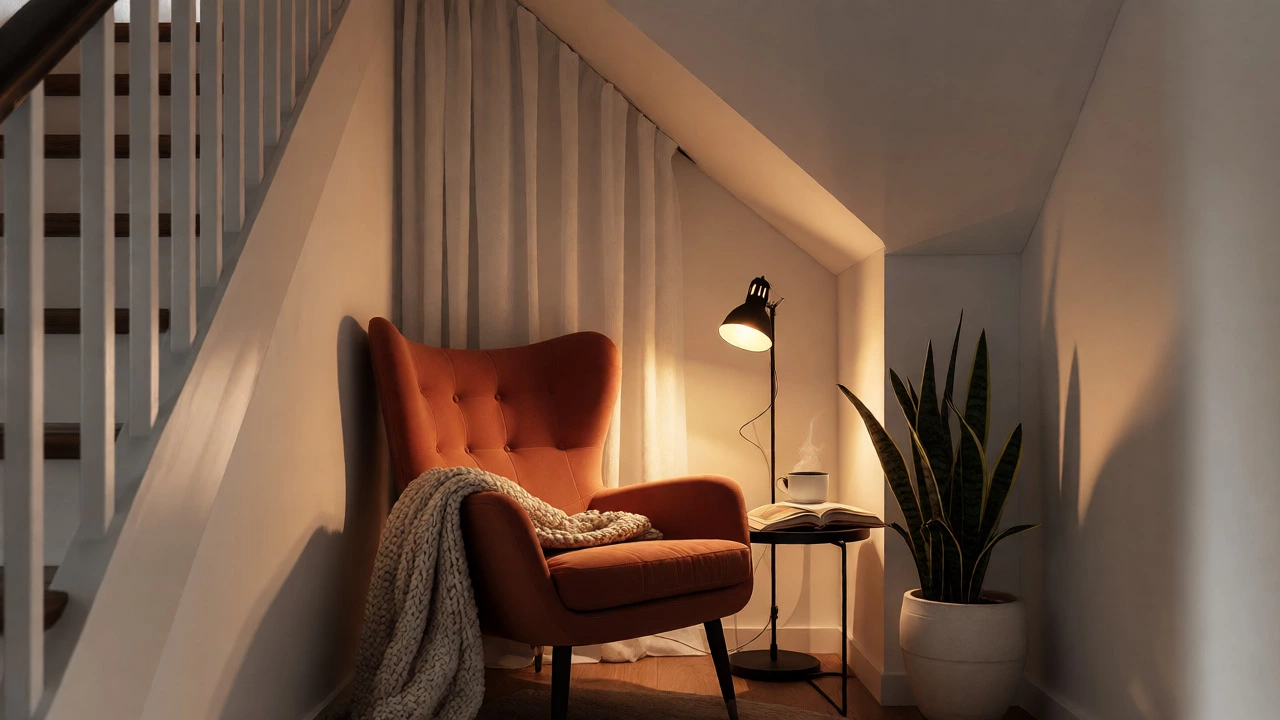
The Reading Corner: If the space has even a sliver of natural light, claim it for reading. You don’t need a massive armchair. A compact accent chair with a high back provides privacy and comfort. Pair it with a small side table for your tea or coffee. Add a focused task light-preferably one with a warm color temperature (around 2700K) to mimic sunset. Throw a textured blanket over the armrest. Suddenly, this dead zone becomes the most inviting spot in the house.
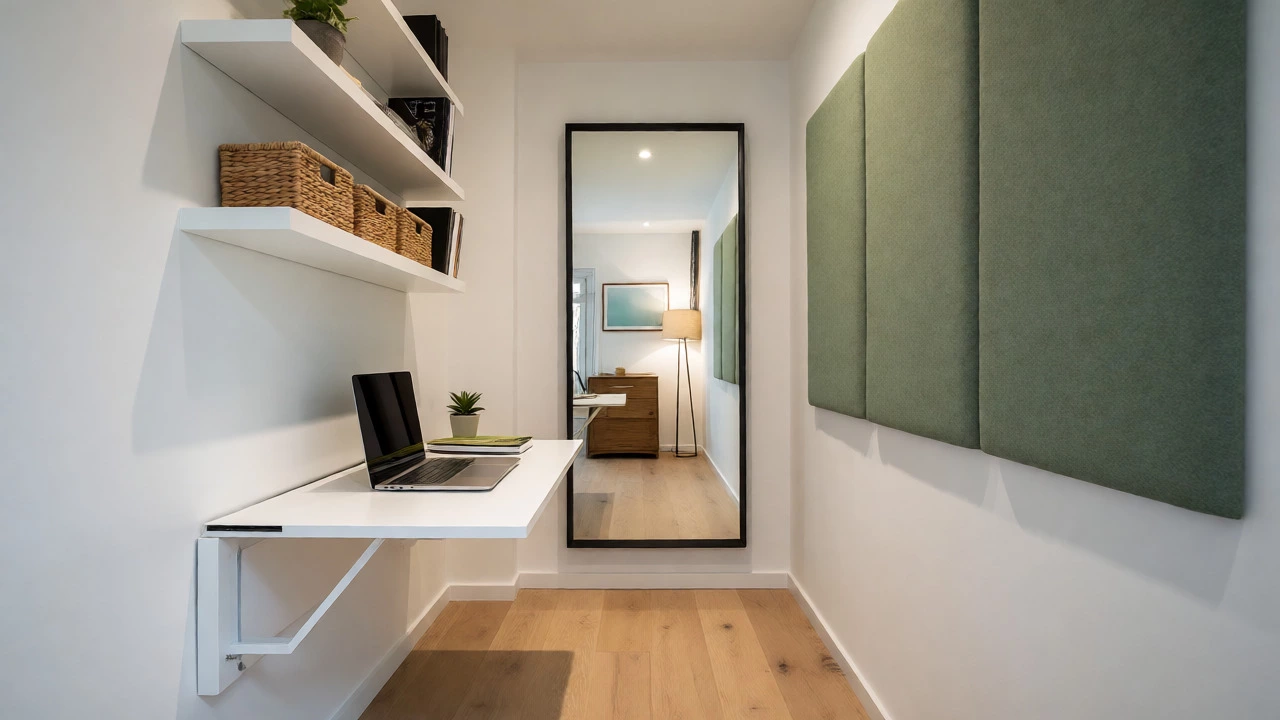
The Micro-Office: With remote work still prevalent in New Zealand, having a dedicated workspace is valuable. If the room is too small for a full desk setup, go vertical. Install a wall-mounted drop-leaf desk. When closed, it takes up inches; when open, it’s a functional workstation. Add acoustic panels or heavy curtains to dampen sound, turning a noisy hallway nook into a quiet Zoom call sanctuary.
Functional Storage That Doesn’t Look Like Clutter
If the room is truly windowless and deep, storage might be its true calling. But not just any storage. We’ve all seen those wire shelving units that scream "basement." Avoid them. In a visible area, storage needs to look intentional.
Custom joinery is worth the investment if you have the budget. Built-in cabinets that fit flush against irregular walls eliminate dust traps and maximize volume. Paint the cabinetry the same color as the walls. This camouflages the bulk, making the storage disappear until you need it. Inside, use uniform baskets or bins. Visual noise creates stress; visual order creates calm.
If custom work is out of reach, look for freestanding pieces with clean lines. A tall, narrow wardrobe with mirrored doors serves double duty: storing coats and expanding the visual space. For smaller items, consider a console table with drawers. It keeps keys, mail, and wallets organized without creating a surface mess.
Art and Texture: The Secret Weapons
When you can’t change the architecture, change the atmosphere. This is where texture saves the day. A smooth, flat wall in a cramped room feels sterile. Layering materials adds depth.
Try a combination of rough and soft. Hang a woven tapestry or a piece of macramé art. These add tactile interest without taking up floor space. On the floor, layer rugs. Start with a jute or sisal base for durability, then top it with a smaller, plush wool rug. This defines the seating area and absorbs echo-a critical factor in hard-surfaced hallways.
Lighting is not just about visibility; it’s about mood. Avoid overhead downlights alone. They cast harsh shadows and flatten the room. Use three layers of light: ambient (general), task (for specific activities), and accent (to highlight art or plants). Plug-in sconces are a game-changer for renters or anyone who doesn’t want to rewire the house. They attach directly to the wall and plug into a socket, offering sophisticated lighting without construction headaches.
Bringing Life Indoors
Plants breathe life into stagnant air. Even if the room lacks sunlight, you can keep greenery alive. Snake plants (Sansevieria) and ZZ plants (Zamioculcas zamiifolia) thrive in low-light conditions and tolerate occasional neglect. They also purify the air, which matters in enclosed spaces.
Place plants at different heights. A tall planter in the corner draws the eye up. Trailing pothos on a high shelf spills down, breaking up rigid lines. Small succulents on a desk add personality. Just remember: real plants need water. If you’re forgetful, artificial options have improved dramatically. Look for silk blends with realistic weight and variation in leaf color. Cheap plastic looks fake; high-end faux looks curated.
Choosing the Right Color Palette
Color psychology plays a huge role in how we perceive space. Cool colors like blues, greens, and grays tend to recede, making walls feel further away. Warm colors like reds, oranges, and yellows advance, making a room feel cozier but potentially smaller.
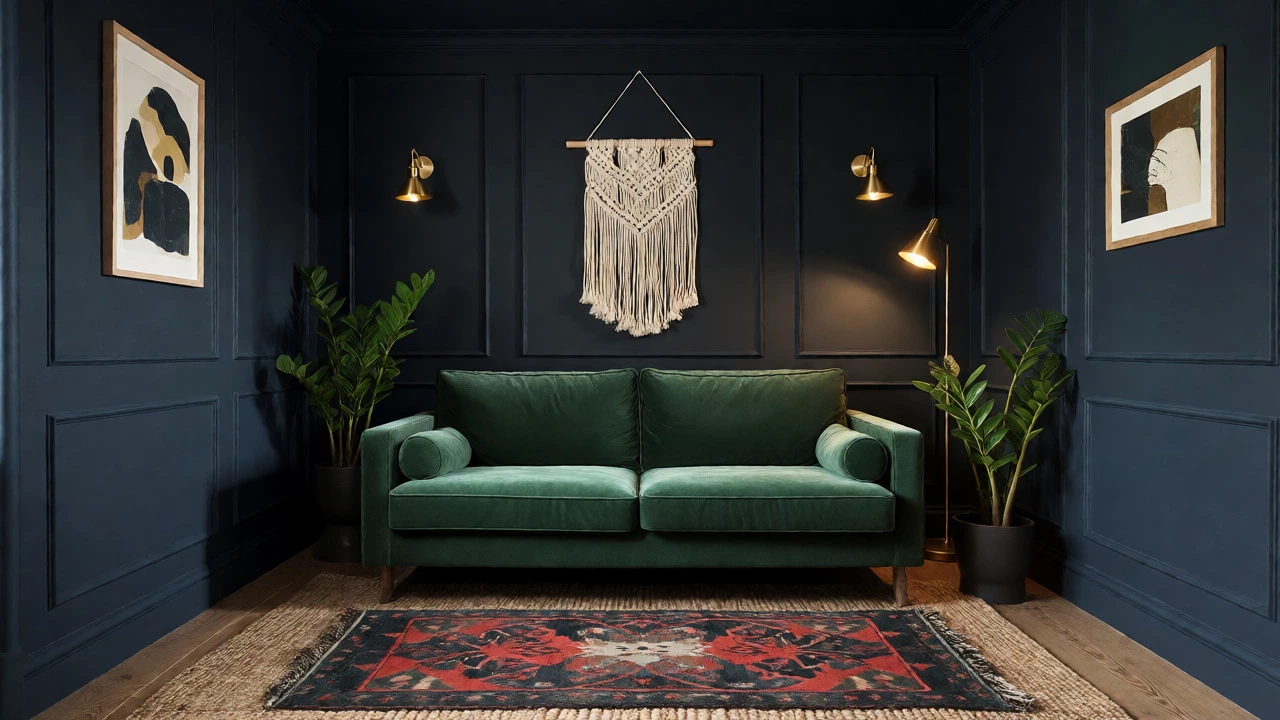
For a dark, windowless room, don’t be afraid of bold choices. A deep charcoal or navy blue wall can create a dramatic, jewel-box effect. It hides imperfections and feels luxurious. Pair it with brass fixtures and white trim for contrast. If you prefer light, stick to warm whites rather than stark bright whites. Stark white can feel clinical in a small space. A creamy off-white reflects light gently, creating a soft glow.
| Problem | Solution | Pro Tip |
|---|---|---|
| No Windows | Mirrors & Full-Spectrum Bulbs | Use bulbs rated 4000K-5000K to mimic daylight. |
| Narrow Width | Floating Shelves & Slim Furniture | Avoid bulky sofas; opt for armless chairs. |
| Low Ceilings | Vertical Stripes & Tall Bookcases | Hang curtains close to the ceiling line. |
| Poor Flow | Open Shelving & Glass Tables | Transparent materials maintain sightlines. |
Common Mistakes to Avoid
Don’t let fear dictate your design. Many people leave these rooms bare because they’re afraid of making them look worse. Brevity is key, but emptiness is rarely the answer. An empty room feels abandoned. A furnished room feels used.
Another trap is over-accessorizing. You don’t need ten decorative objects on a shelf. Three well-chosen items-a plant, a book stack, and a sculpture-are more impactful. Clutter amplifies the feeling of smallness. Edit ruthlessly. If it doesn’t serve a function or bring you joy, move it elsewhere.
Finally, ignore the "rules" if they don’t work. Standard advice says "keep furniture off the walls," but in a tight spot, pushing the sofa against the wall might be the only way to allow passage. Do what works for your body and your daily routine, not what a magazine suggests.
What is the best paint color for a room with no windows?
There is no single "best" color, but two strategies work well. First, use light, warm neutrals like cream or pale gray to reflect artificial light and prevent the room from feeling like a cave. Second, embrace darkness with deep tones like navy, forest green, or charcoal. Dark colors blur the boundaries of the walls, making the space feel infinite and cozy rather than confined. Choose based on whether you want energy (light) or relaxation (dark).
How do I light a small, awkward room effectively?
Layer your lighting. Never rely on a single overhead fixture. Use floor lamps in corners to push light outward, wall sconces to save space, and LED strip lights under shelves or behind mirrors for indirect glow. Choose bulbs with a high CRI (Color Rendering Index) above 90 to ensure colors look true. Dimmers are essential for adjusting the mood throughout the day.
Can a useless room become a functional home office?
Yes, absolutely. Focus on ergonomics and acoustics. Use a wall-mounted desk to save floor space. Add sound-absorbing materials like thick rugs, heavy curtains, or upholstered wall panels to reduce echo. Ensure you have adequate task lighting to reduce eye strain. If the room is very small, keep digital clutter minimal by using cloud storage instead of physical files.
What furniture fits in a narrow hallway or alcove?
Look for furniture with shallow depths (under 18 inches/45cm). Console tables, slim benches, and ladder-style bookshelves are ideal. Floating furniture, such as wall-mounted nightstands or desks, keeps the floor visible, which makes the space feel larger. Avoid bulky armchairs; choose armless chairs or poufs that can be tucked away when not in use.
Should I put a rug in a small, awkward room?
Yes, but size matters. A rug that is too small will make the room look choppy. Ideally, the front legs of any seating should sit on the rug. If the room is very narrow, run a runner along the length of the space. If it’s a square nook, a round rug can soften sharp corners and define the center of the activity area.