Renovation Budget Planner
You're Within Budget!
Great news! You have $21,500 left over. Consider increasing your contingency fund or upgrading materials.
Picture this: you’ve just bought your dream home. It has great bones, but the kitchen looks like it’s stuck in 1995, and the bathroom tiles are peeling. You pull out your savings, see a comfortable $100,000, and think, "I can fix this up." But before you call the first contractor, you need to know if that number is actually enough or if it will vanish faster than a cup of coffee on a rainy Auckland morning.
The short answer? Yes, $100,000 is enough to renovate a house, but only if you manage your expectations and scope carefully. In today’s market, where material costs have stabilized but labor remains premium, this budget allows for significant upgrades-like a full kitchen remodel, two bathrooms, and fresh flooring-but it won’t buy you a structural overhaul or a massive extension.
What Can $100,000 Actually Buy You?
To understand if your budget works, we need to break down what money buys in the construction world. Renovation isn't just about buying pretty cabinets; it's about labor, materials, permits, and contingencies. With $100,000, you are entering the mid-range renovation tier. This means quality finishes without custom luxury items, and professional tradespeople rather than top-tier designers who charge hourly fees.
Here is a realistic breakdown of how that money might be spent on a typical 3-bedroom, 2-bathroom home:
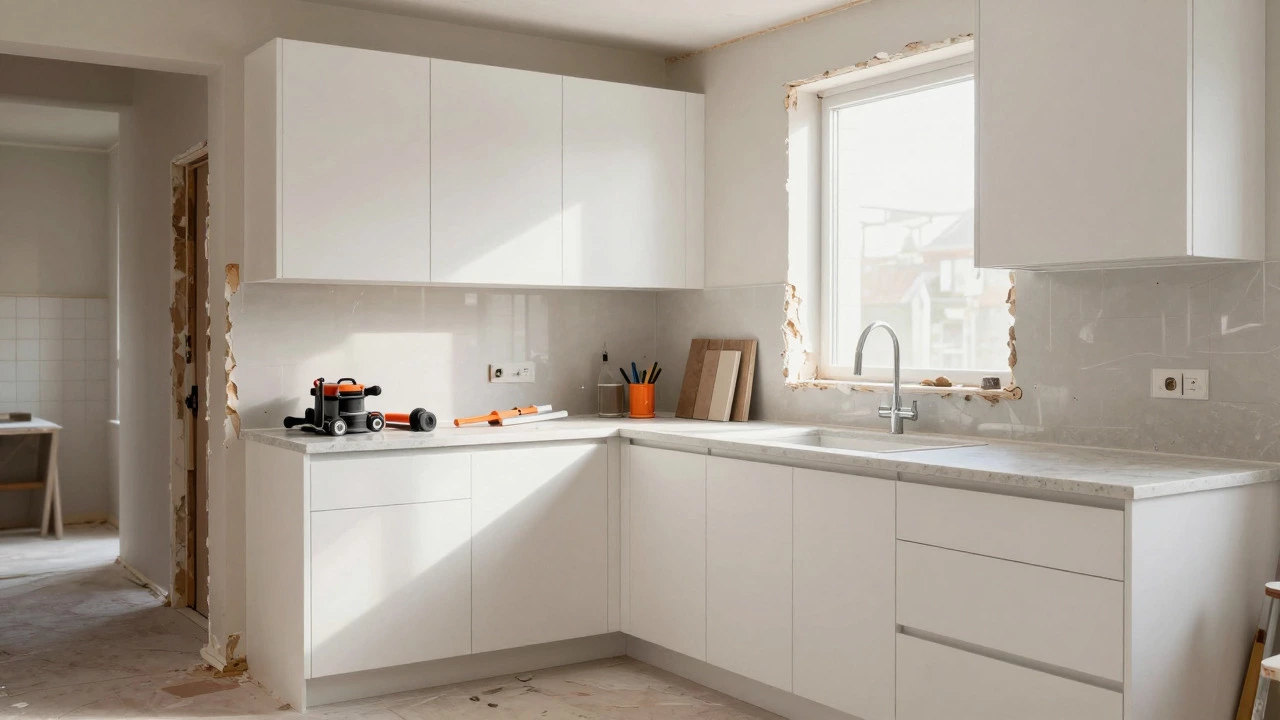
- Kitchen Remodel: Approximately $25,000-$35,000. This covers new semi-custom cabinets, quartz countertops, standard appliances, and basic lighting updates.
- Bathroom Updates (x2): Approximately $15,000-$20,000 total. One master bath with a walk-in shower and one secondary bath with a tub/shower combo. This includes tiling, plumbing fixtures, and vanity units.
- Flooring Throughout: Approximately $8,000-$12,000. Engineered hardwood or high-quality vinyl plank installed in living areas and bedrooms.
- Paint and Trim: Approximately $5,000-$7,000. Interior painting, ceiling repairs, and updating baseboards and crown molding.
- Lighting and Electrical: Approximately $4,000-$6,000. Updating outlets, switches, and installing recessed lighting or modern fixtures.
- Contingency Fund: The remaining $10,000-$15,000. This is non-negotiable. It covers the surprise mold behind the wall or the outdated wiring you didn't expect.
If you try to squeeze in a new roof, HVAC system replacement, and a deck addition into this same bucket, you will run out of cash by week three. The key is prioritization. Decide what adds the most value and joy to your life, and cut the rest.
The Hidden Costs That Eat Your Budget
New homeowners often look at online calculators and think they have a clear picture. Then reality hits. Why do renovations always cost more than expected? Because there are invisible line items that don't show up in Pinterest boards.
First, there are demolition and disposal fees. Tearing down a wall isn't free. Hauling away old drywall, cabinets, and debris requires dumpster rentals and labor. In many cities, tipping fees for construction waste have risen sharply. Expect to pay between $500 and $2,000 just to clear the space before building begins.
Second, permits and inspections. If you’re moving walls, changing electrical loads, or altering plumbing stacks, you likely need permits. These aren't optional if you want to sell the house later without legal headaches. Permit fees vary by location but can easily add $1,000 to $3,000 to your project, plus the time it takes to get approved.
Third, design and project management. If you hire an architect or interior designer, their fee is usually 10-20% of the construction cost. For a $100k project, that’s $10k-$20k gone before a hammer swings. To stay within budget, many homeowners skip the designer and act as their own project manager, which saves money but demands weekends spent coordinating contractors.
DIY vs. Hiring Professionals: Where to Draw the Line
One way to stretch your $100,000 is to take on some work yourself. But here’s the trap: amateur mistakes cost more to fix than hiring a pro initially. So, where should you save, and where must you spend?
| Task | DIY Cost Estimate | Pro Cost Estimate | Risk Level |
|---|---|---|---|
| Painting | $500 - $1,000 | $2,000 - $4,000 | Low |
| Demolition | $200 (Dumpster + Labor) | $1,500 - $3,000 | Medium |
| Tile Installation | $300 (Materials only) | $3,000 - $6,000 | High |
| Plumbing Rough-In | N/A (Requires License) | $2,000 - $5,000 | Critical |
| Electrical Wiring | N/A (Requires License) | $2,000 - $4,000 | Critical |
Painting is the safest bet for DIY. It’s labor-intensive but low-risk. Demolition is also manageable if you have help and a truck. However, leave tile, plumbing, and electrical to the pros. Bad tile looks obvious and reduces home value. Bad plumbing causes water damage. Bad electrical causes fires. When you’re working with a tight $100k budget, one major repair from a DIY error can wipe out your entire contingency fund.
Material Choices That Save Money Without Looking Cheap
You don’t need marble countertops or solid oak floors to make a home look expensive. Smart material choices can keep your budget intact while delivering a high-end aesthetic.
Instead of natural stone like granite or marble, consider quartz. It’s durable, consistent in color, and often priced similarly to mid-range granite, but with less maintenance. For cabinetry, avoid fully custom European-style frames. Opt for semi-custom stock cabinets with upgraded hardware and soft-close hinges. The difference in price can be thousands of dollars, and the visual difference is minimal once installed.
When it comes to flooring, engineered hardwood offers the look of real wood at a lower price point than solid hardwood, and it’s more stable in varying humidity levels. Alternatively, luxury vinyl plank (LVP) has come a long way. High-quality LVP is waterproof, scratch-resistant, and indistinguishable from wood to the untrained eye, costing half as much per square foot.
Lighting is another area where small changes yield big results. Instead of expensive chandeliers, invest in good-quality LED recessed lights and simple pendant fixtures over islands. Good lighting makes cheap materials look expensive; bad lighting makes expensive materials look dull.
How to Protect Your Budget From Scope Creep
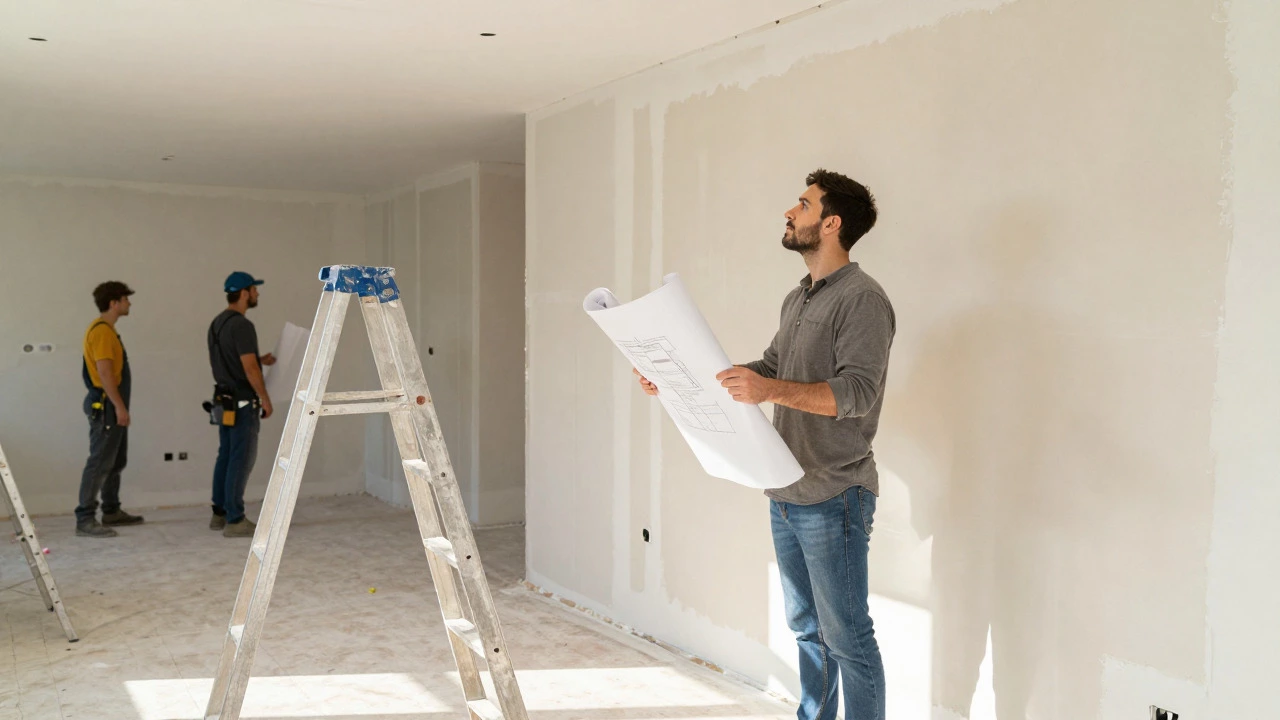
Scope creep is the silent killer of renovation budgets. It starts innocently: "While we’re opening the wall, let’s move the outlet here too." Then, "Maybe we should change the door style." Suddenly, you’re $5,000 over budget and three weeks behind schedule.
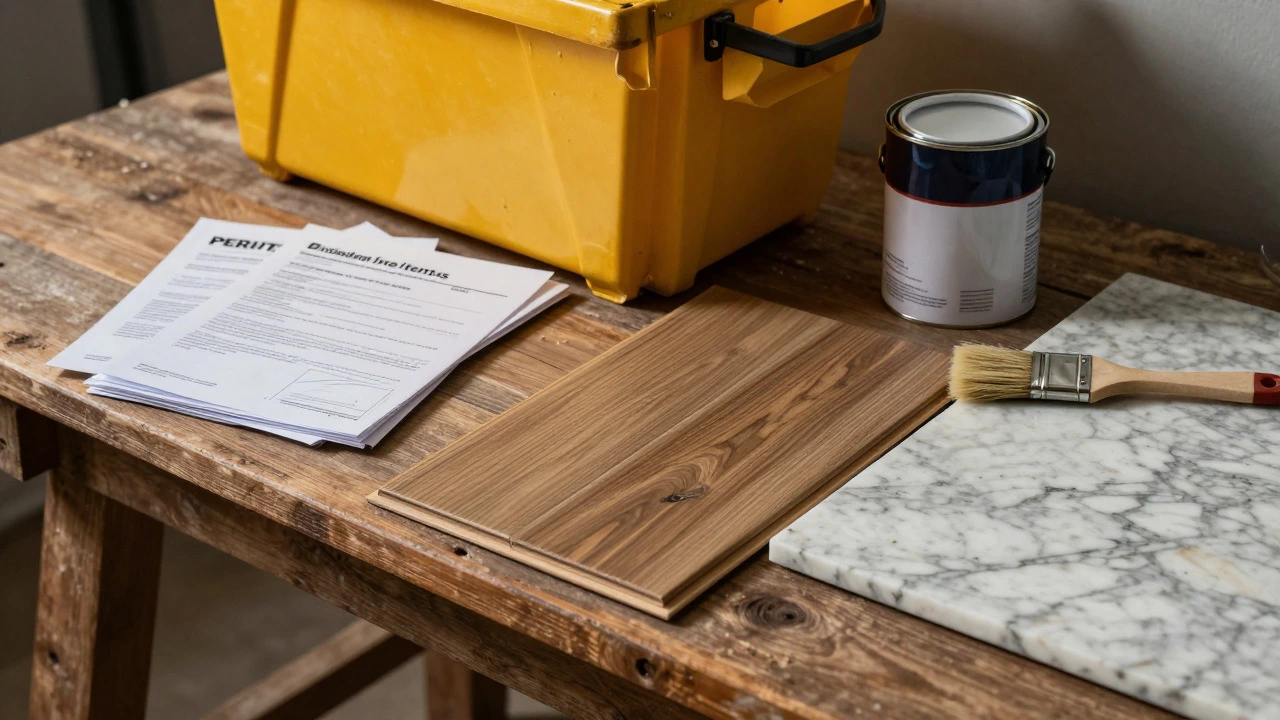
To prevent this, finalize your design decisions before construction begins. Have every cabinet dimension, tile sample, and paint color selected. Create a strict rule: no changes unless they are structural necessities discovered during demolition. Communicate this clearly to your contractors. Most reputable builders will appreciate your clarity and stick to the plan.
Also, negotiate fixed-price contracts rather than time-and-materials agreements. A fixed-price contract locks in the cost, shifting the risk of delays or price increases to the contractor. Make sure the contract includes a detailed scope of work, payment schedule tied to milestones, and a clause for handling unforeseen issues.
Return on Investment: Does It Pay Off?
Renovating with $100,000 isn’t just about comfort; it’s an investment. According to industry data, kitchen remodels typically recoup 60-70% of their cost in added home value. Bathroom remodels return about 50-60%. However, these numbers vary wildly based on your neighborhood. If you put a $35,000 kitchen in a house where other homes have $15,000 kitchens, you may not recover that extra $20,000 when you sell.
The best approach is to aim for 'neighborhood appropriate' upgrades. Research recent sales in your area. What features did those homes have? Match that level of finish. Over-improving your home relative to its surroundings is the fastest way to lose money on a renovation. Stick to neutral colors, durable materials, and functional layouts. These appeal to the broadest range of buyers and protect your resale value.
Can I renovate a whole house for $100,000?
It depends on the size and condition of the house. For a small condo or a modest-sized home needing cosmetic updates, yes. For a large family home requiring structural changes, new systems (HVAC, plumbing), and extensive repairs, $100,000 will likely only cover one or two rooms. Focus on high-impact areas like the kitchen and bathrooms rather than trying to spread the money too thin across every room.
What is the biggest mistake people make with a $100k renovation budget?
The biggest mistake is underestimating the contingency fund. Many homeowners allocate 100% of their budget to visible improvements and forget to set aside 10-20% for unexpected issues like rot, mold, or outdated electrical panels. When these surprises happen, they force you to cut corners on quality or go into debt.
Should I hire a general contractor or manage the project myself?
If you have experience in construction or plenty of free time to coordinate schedules, managing yourself can save you 10-20% in overhead fees. However, for most homeowners, hiring a licensed general contractor is worth the cost. They handle permits, subcontractor coordination, and quality control, reducing stress and potential costly errors. For a $100k project, the peace of mind often outweighs the savings.
How long does a $100,000 renovation take?
A typical mid-range renovation involving a kitchen and two bathrooms takes between 8 to 14 weeks. This includes design, permitting, demolition, rough-in work, installation, and finishing. Delays due to material shortages or weather can extend this timeline. Plan to live in the house for at least three months if you’re doing major work.
Is it better to renovate or buy a new home?
Renovating is often cheaper than buying a new home, especially in high-cost markets. However, calculate the total cost including temporary housing if needed, closing costs on a new purchase, and the emotional toll of construction. If the required renovations exceed 30-40% of the home's value, or if there are major structural issues, buying a different home might be more financially sensible.