House Extensions: What You Need to Know Before Starting Your Project
When you house extensions, add physical space to an existing home to increase livability, value, or functionality. Also known as property expansion, it’s one of the most common ways UK homeowners upgrade without moving. Unlike a full rebuild, extensions work with what’s already there—saving time, reducing waste, and keeping your neighborhood roots intact.
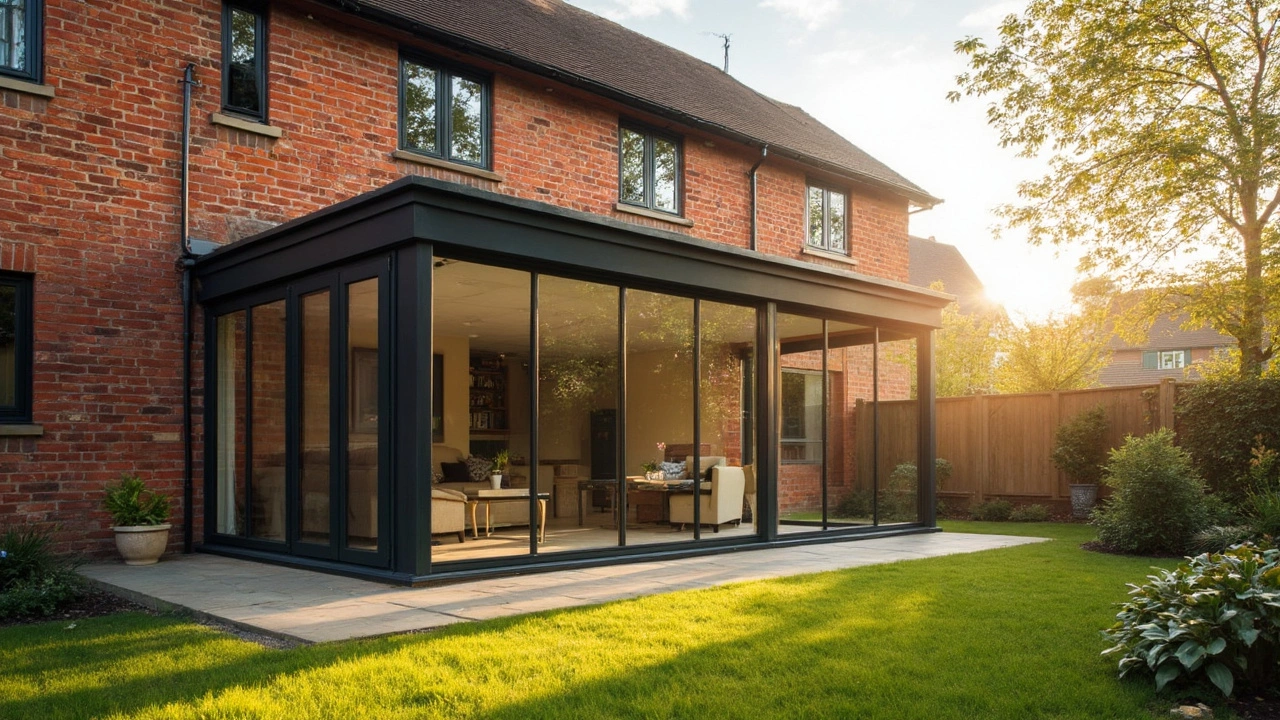
Not all extensions are the same. A single-storey extension, a side or rear addition that adds space without adding height is popular for kitchens and living areas. A two-storey extension, adds a full floor, often for extra bedrooms or a home office gives you more room without eating up your garden. Then there’s the conservatory, a glass-walled space often used as a sunroom or dining area, which brings in light but doesn’t always add usable square footage. Each type has different costs, planning rules, and impact on your daily life.
What most people don’t realize is that a successful extension isn’t just about bricks and mortar. It’s about flow. Where does the new space connect to the old? Does the layout make morning routines easier? Will the windows let in enough light all year? A poorly planned extension can make your home feel cramped, even if it’s bigger. That’s why so many homeowners end up regretting choices made just to save money upfront—like skipping proper insulation or using cheap windows that leak heat.
And then there’s the paperwork. In the UK, some extensions fall under permitted development rights, meaning you don’t need full planning permission. But rules change by location, property type, and how close you are to boundaries. A neighbor’s complaint can halt a project—even if you thought you were in the clear. Getting a builder who knows the local council’s expectations can save you months of stress.
Materials matter too. Timber frames are faster and cheaper, but steel and concrete offer more durability and thermal performance. The right choice depends on your climate, budget, and how long you plan to stay. And don’t forget the roof. A poorly designed roofline can ruin the look of your whole house, no matter how nice the walls look.
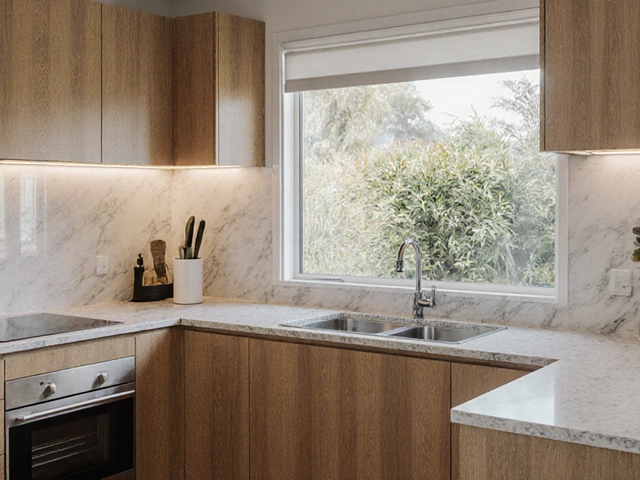
What you’ll find in these posts isn’t just theory. It’s real talk from people who’ve been through it. You’ll see how one family turned a cramped kitchen into an open-plan hub for under £25,000. Another found out the hard way why you should always install walls before the floor—especially in damp areas. There’s also a breakdown of what actually drives up costs in 2025, and why some builders charge twice as much for the same work.
Whether you’re dreaming of a sunlit breakfast nook, a bigger bathroom, or a home office that doesn’t feel like a closet, the right house extension can change how you live. But only if you know what to look for—and what to avoid. The posts below give you the facts, the mistakes to skip, and the choices that actually pay off.
Best House Extensions: What Works for You?
House extensions can significantly boost your home's value and comfort. Choosing the right type depends on various factors like budget, available space, and personal preferences. From side returns to loft extensions, each option offers unique benefits. Understanding these variations helps homeowners make informed decisions. Let's explore some popular house extension types and what makes them tick.