Roof Replacement: What You Need to Know Before Starting
When your roof replacement, the process of removing and installing a new roof system to restore protection and structural integrity. Also known as roof renewal, it's not just about fixing leaks—it’s about protecting your home’s value, safety, and comfort. Most roofs don’t fail overnight. They wear down slowly: shingles curl, flashing pulls loose, underlayment breaks down. If you’re seeing water spots on your ceiling, noticing granules in your gutters, or have a sagging section, it’s not just a minor fix. It’s a sign your roof has reached the end of its life.
A roofing material, the outer layer of a roof system that shields the structure from weather. Common types include asphalt shingles, metal, clay tiles, and slate. makes a huge difference in how long your new roof lasts. Asphalt shingles are the most common in the UK—they’re affordable and easy to install—but they typically last 15 to 25 years. Metal roofs cost more upfront but can last 40 to 70 years and handle heavy rain and snow better. Clay tiles look great but are heavy and need strong framing. And if your roof is over 20 years old, even if it looks okay, it’s probably past its peak performance. Older materials don’t handle modern weather extremes well.
Roof replacement isn’t just about the top layer. It involves checking the roof decking, the wooden base layer that supports the roofing material and transfers weight to the structure. Water damage, rot, or pest infestations here can ruin a new roof before it even starts. A good contractor will inspect the entire system—not just pull off old shingles and slap on new ones. They’ll replace damaged sheathing, install proper ventilation, and make sure flashing around chimneys and vents is sealed right. Skipping these steps leads to leaks, mold, and higher energy bills.
Weather plays a big role too. Roofing work isn’t done in the rain or freezing temps. In the UK, spring and early autumn are the best windows—dry, mild, and stable. Rushing a job in bad weather means poor adhesion, misaligned shingles, or hidden gaps. And don’t forget permits. Most roof replacements require local authority approval, especially if you’re changing materials or increasing the roof’s weight. A pro will handle this for you, but you should know it’s part of the process.
What you’ll find below are real examples of how people handled their roof replacements—what went right, what went wrong, and what they wish they’d known before signing a contract. From budgeting for unexpected repairs to choosing between cost and longevity, these posts give you the no-fluff details you won’t get from a salesperson. Whether you’re dealing with storm damage, aging materials, or just planning ahead, the info here cuts through the hype and shows you what actually matters.

How Do You Budget for a Roof? Real-World Steps & Smart Tips
Thinking about a new roof? This guide covers how to budget, what costs to expect, and ways to avoid surprise expenses. Learn how roofing estimates work, what can drive up the price, and how to plan so you don’t get caught off guard. Simple strategies and pro tips help you tackle big decisions without wasting money. Practical advice for homeowners needing a repair or a full replacement.
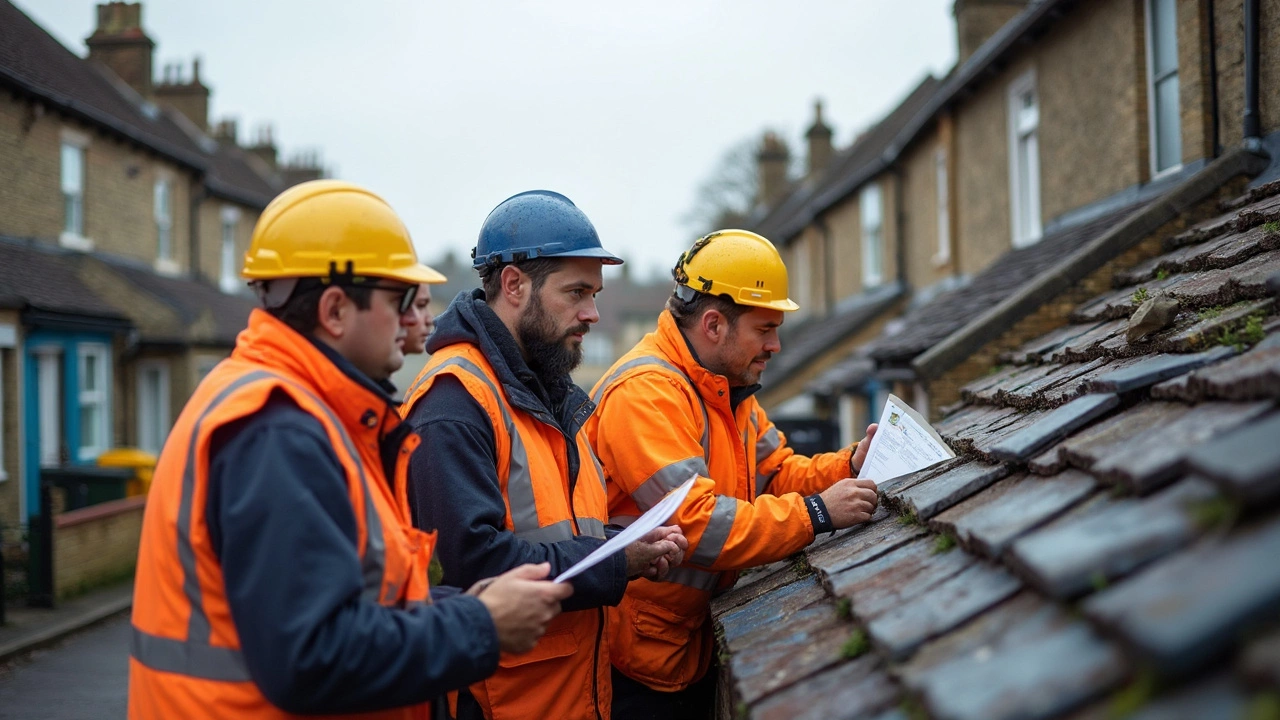
Roofers Charge Per Square: What To Expect for Roofing Costs
Ever wondered what most roofers charge per square? This article breaks down what 'per square' really means in roofing and gives you a clear idea of cost ranges. You'll find out what affects prices, why quotes can differ by thousands, and smart ways to avoid overpaying. It's got handy tips for homeowners facing roof repairs or replacements. If you want straightforward answers without sales fluff, you’ll find them here.