Structural Problems: Signs, Causes, and How to Fix Them
When your house starts showing signs of structural problems, damage to the load-bearing parts of a building that compromise safety or stability. Also known as foundation issues, these aren’t just cosmetic—they’re red flags that demand attention. A crack in the wall might look like a simple paint job waiting to happen, but if it’s wider than a credit card, runs diagonally, or keeps getting bigger, it’s probably more than dust and drywall.
Most foundation damage, cracking, shifting, or settling of a home’s base that affects its overall integrity happens slowly. Soil shifts, water seeps in, or the original build didn’t account for ground movement. You might not notice until your doors won’t close, floors slope toward one corner, or windows suddenly stick. These aren’t quirks—they’re symptoms of something deeper. House settlement, the natural downward movement of a building’s foundation over time, often due to soil compression or moisture changes is normal in the first few years, but if it’s still happening after 15 or 20 years, it’s not normal anymore. That’s when you need to look closer.
Structural cracks tell the story. Hairline cracks? Probably fine. Wide, jagged cracks running from floor to ceiling? That’s serious. Gaps between walls and ceilings, especially near door frames, mean the structure is moving. Even small changes in floor level can signal uneven support. And don’t ignore the little things—buckling tiles, cracked chimneys, or exterior bricks pulling away from the house. All of these tie back to the same root: your home’s foundation is under stress.
What causes this? Poor drainage, clay soil that swells and shrinks, tree roots sucking moisture, or even old, weak concrete. In older homes, materials just age. In newer builds, shortcuts during construction show up later. The good news? Most structural problems can be fixed—if you catch them early. Underpinning, slab jacking, or installing steel piers can restore stability. But you can’t fix it with caulk or paint. You need the right diagnosis first.
That’s why the posts below cover real cases: how to spot structural cracks, visible fractures in walls, floors, or foundations that indicate movement or load failure before they turn into costly repairs, what signs mean trouble, and when to call in a pro instead of trying a DIY fix. You’ll find breakdowns on long-term settlement, what builders miss during construction, and how to tell if your home’s stability is truly at risk. No fluff. No guesswork. Just what you need to know to protect your biggest investment.

Can a Foundation Be Unfixable? Discover the Reality
Foundations can face numerous challenges, from minor cracks to severe structural issues, but are they ever truly unfixable? We'll explore what leads to foundation problems, the signs to watch out for, and the latest repair options. Whether dealing with crumbly concrete or water damage, understanding the real limits of repairability can save time and money. This guide gives you a realistic perspective on what can be fixed and where to draw the line, so you can make informed decisions about your home's foundation.
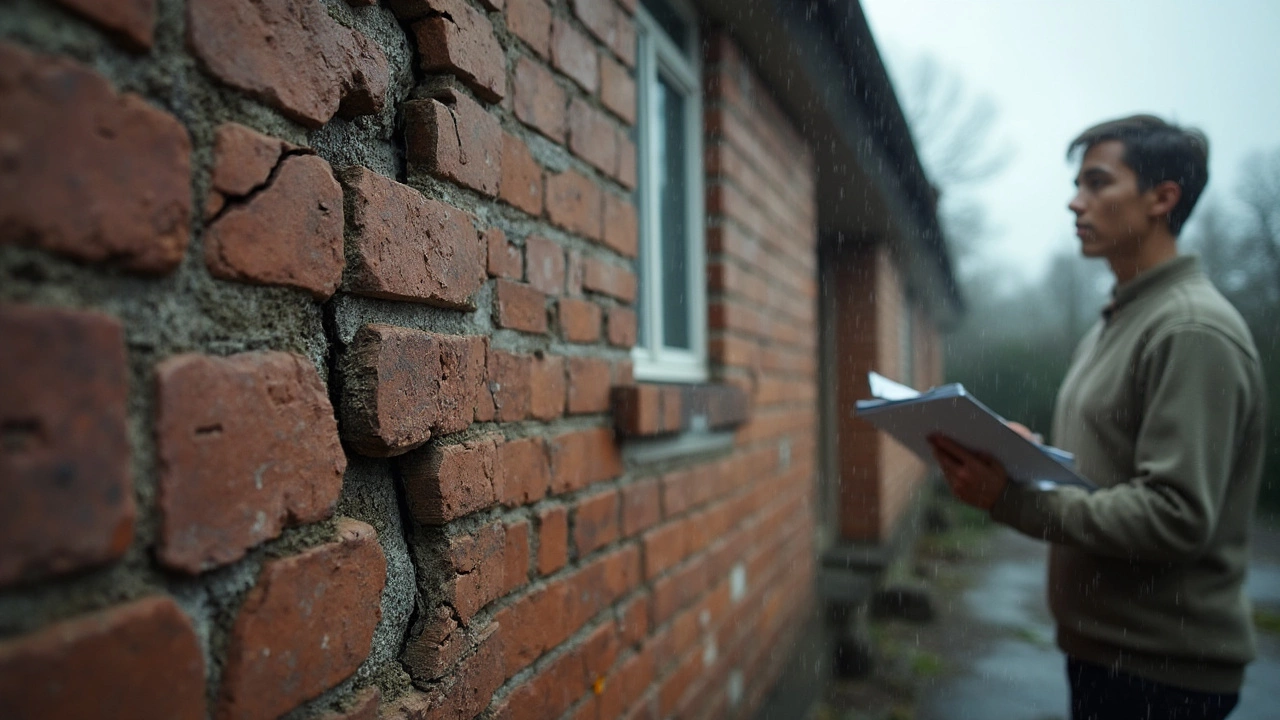
Major Foundation Issues: What You Need to Know
Foundation issues can wreak havoc on a home's structure if not addressed promptly. Major problems like cracks, sinking, and water damage signal the need for critical repairs. Understanding these issues can help homeowners prevent costly repairs down the line. This article delves into the common signs and reasons for foundation problems, offering practical tips to tackle them effectively.