Type 5 Construction: What It Is, Where It's Used, and Why It Matters
When you think of a typical house, a small shop, or a two-story apartment building, you’re likely picturing Type 5 construction, a building method that uses combustible materials like wood for walls, floors, and roofs, and is governed by specific fire safety and structural codes. Also known as wood-frame construction, it’s the most common way homes and small commercial buildings are built across the UK and beyond. Unlike heavier, non-combustible structures, Type 5 relies on engineered wood and dimensional lumber, making it faster and more affordable—but it still has to meet strict safety rules to protect lives.
What makes Type 5 different isn’t just the materials—it’s how it’s regulated. Building codes require fire-resistant treatments on structural elements, proper spacing between walls, and approved exit routes. You’ll find it in everything from detached houses to corner cafes and small medical offices. It’s not used for high-rises or warehouses because those need the strength of steel or concrete. But for low-rise buildings under three stories, Type 5 strikes the perfect balance between cost, speed, and safety. It’s also the type most often involved in renovations, because homeowners and small business owners can work with familiar materials without needing heavy equipment or specialized crews.
Related to Type 5 are other construction types like Type I (steel and concrete), Type III (combustible walls with non-combustible roofs), and Type IV (heavy timber). But Type 5 stands out because it’s the one most people live in or shop in every day. It’s the type you’re probably sitting in right now. The posts below dive into real-world examples: how it affects renovation costs, what fire safety upgrades actually mean for your home, and why some contractors avoid it for larger projects. You’ll also find comparisons with commercial building standards, material choices that impact insurance, and how local codes can change what’s allowed—even in the same town. Whether you’re planning a kitchen remodel, adding a room, or just wondering why your new build looks the way it does, this collection gives you the practical details you need—no jargon, no fluff, just what matters for your project.
Type 5 Construction: What Is It Called in Commercial Building?
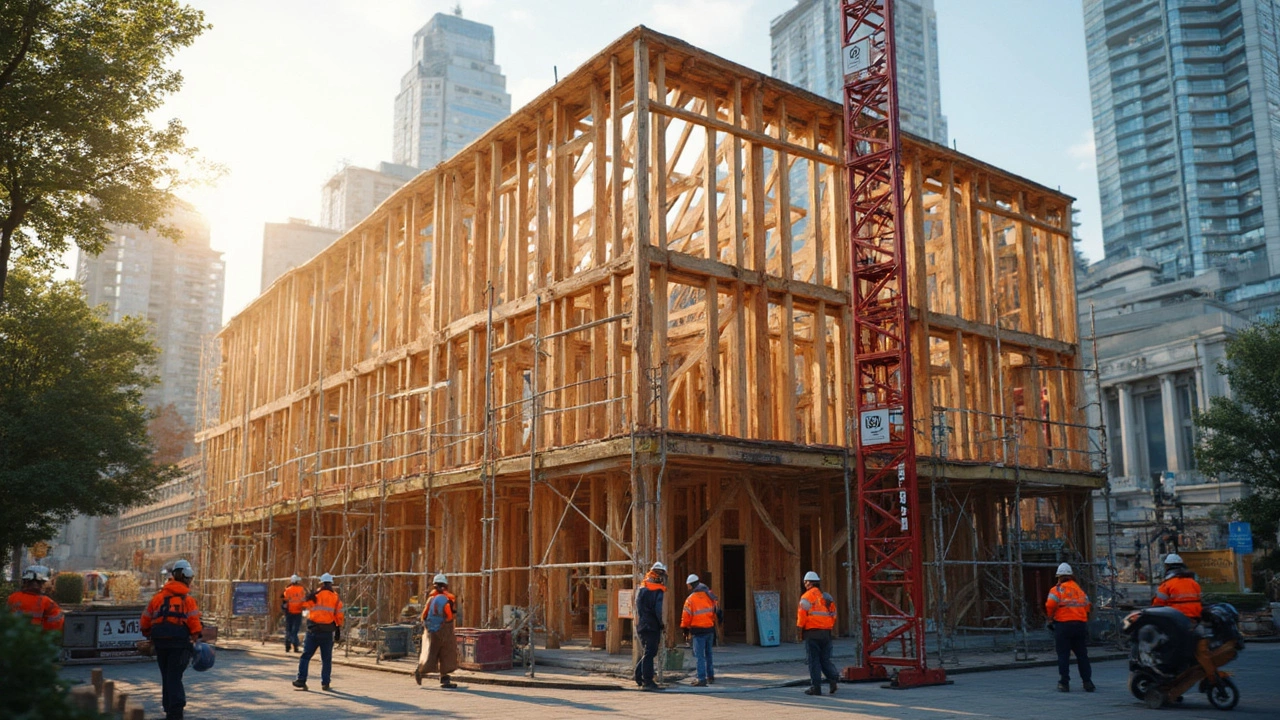
Curious about Type 5 construction? This article breaks down exactly what it means, why it's called 'wood-frame,' and where you'll spot it in commercial builds. We cover the nuts and bolts, the main rules, and what makes Type 5 different from the other types. You'll get practical tips about fire safety and insurance, plus learn which projects are a good fit for this approach. Perfect for anyone puzzled by the building code jargon or planning a commercial project on a budget.