Wallpaper Tips: How to Choose, Apply, and Maintain Wallpaper Like a Pro
When you think about wallpaper, a decorative wall covering used to transform interior spaces with pattern, texture, and color. Also known as wall covering, it’s one of the most flexible ways to refresh a room without demolition or major renovation. Unlike paint, wallpaper adds depth, character, and instant style—whether you’re going for bold geometric prints or subtle textured finishes. But getting it right isn’t just about picking a pretty design. Poor installation, wrong adhesive, or ignoring moisture levels can turn a dream wall into a peeling, bubbling mess.
There are different types of peel and stick wallpaper, a temporary, DIY-friendly wall covering that adheres without paste and removes cleanly, which works great for renters or short-term updates. Then there’s traditional wallpaper, a durable, paste-applied material often used in permanent home renovations, which lasts decades if installed properly. The key is matching the type to your space: avoid paper-based wallpaper in bathrooms or kitchens where steam builds up. Vinyl or non-woven options handle moisture better. And don’t skip prep—walls need to be clean, smooth, and dry. Even the best wallpaper won’t stick to dust, grease, or old paint that’s flaking.
One common mistake? Starting in the corner. Always begin in the least visible spot—like behind a door or next to a window—to hide any misalignment. Use a level, not your eye, to draw your first vertical line. Overlapping seams might look like a mistake, but it’s actually how professionals ensure no gaps show. And if you’re unsure about the pattern match, lay out strips on the floor first. You’ll spot repeats, mismatches, or awkward crop points before you ever touch the wall.
Removal is just as important as installation. Never scrape wet wallpaper with a metal tool—it can gouge drywall. Instead, score the surface lightly with a wallpaper scoring tool, spray with warm water and vinegar, then wait. Let it soak. Patience saves time and walls. If you’re dealing with old, stubborn paper from the 80s or 90s, steamers work better than chemicals. And always test a small area first—some older wallpapers were glued with asbestos-based adhesives, especially in homes built before 1980.
Today’s wallpaper trends favor texture over loud prints. Grasscloth, linen-look finishes, and matte vinyl are popular because they add richness without overwhelming a space. And if you’re worried about commitment, removable wallpaper lets you change your mind next season. But remember: even removable types need proper wall prep. A dusty or uneven surface will show through.
Whether you’re covering one accent wall or redoing an entire room, wallpaper is more than decoration—it’s a structural choice. It affects light, sound, and even perceived room size. Dark, vertical stripes can make a ceiling feel taller. Large, bold patterns shrink a small space. And textured wallpaper can hide minor wall flaws better than paint ever could.
Below, you’ll find real-world advice from people who’ve done it—good and bad. From how to fix bubbles after installation, to which tools actually work, to what to do when your cat decides your wallpaper is a scratching post. These aren’t theory pieces. They’re lessons learned the hard way.
Is Wallpaper Old Fashioned? Modern Takes on a Classic Design Trend
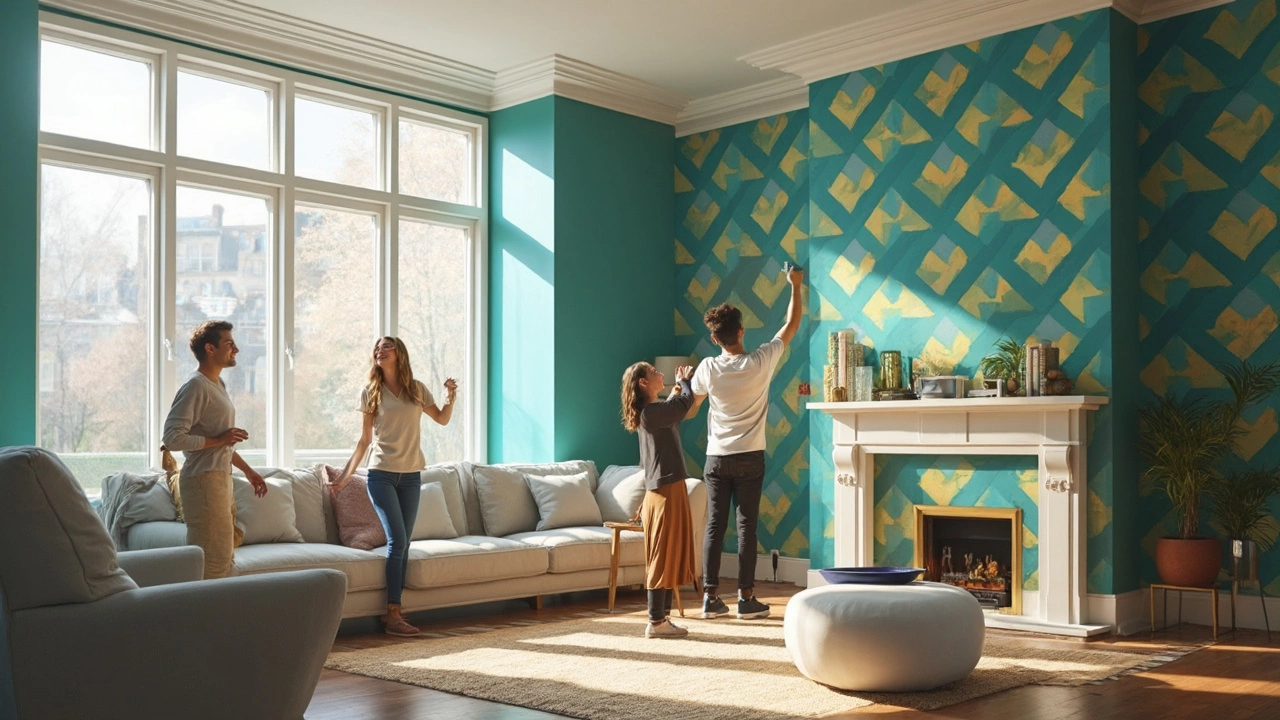
Wondering if wallpaper is stuck in the past? A lot has changed since Grandma’s floral prints. This article looks at whether wallpaper is still considered old fashioned or making a big comeback. You'll see fresh trends, learn clever ways to use wallpaper, and discover how it can totally transform a room. Real-life tips and tricks included.