Water Damage: Causes, Signs, and How to Fix It Before It Costs You More
When water damage, the harmful effect of excess moisture on building materials and structures. Also known as flood damage, it doesn’t always come from a storm or burst pipe—it can creep in slowly from a leaking faucet, a cracked foundation, or even condensation in a poorly ventilated bathroom. Left unchecked, it doesn’t just ruin drywall or flooring. It weakens your home’s structure, invites mold growth, a type of fungus that thrives in damp environments and can cause health issues, and turns small fixes into full-scale renovations.
Most people don’t realize plumbing leaks, hidden drips in walls, under sinks, or behind appliances that slowly soak into surrounding materials are the #1 cause of water damage in homes. A dripping pipe under the kitchen sink might seem harmless, but over months, it softens the subfloor, rots the cabinet frame, and creates the perfect breeding ground for mold. Same goes for foundation damage, cracks or shifting in a home’s base caused by prolonged moisture exposure. If water pools near your foundation—because of bad grading, clogged gutters, or a broken downspout—it doesn’t just seep in. It pushes against the concrete, causes cracks, and can even tilt your floors.
You don’t need a flood to have serious water damage. Look for the quiet signs: peeling paint in odd places, warped baseboards, a musty smell you can’t pin down, or tiles that sound hollow when you tap them. These aren’t just cosmetic issues—they’re warning lights. And if you’ve had a recent renovation, especially a bathroom or kitchen job, you might be at higher risk. We’ve seen too many cases where tile was laid over a wet subfloor, or waterproofing was skipped to save money, only for the damage to show up six months later.
Fixing water damage isn’t about slapping on new paint or replacing a few floorboards. It’s about finding the source, drying everything out properly, and making sure nothing’s left to rot. That’s why so many DIY fixes fail. You can’t just wipe up water and call it done. Moisture hides in insulation, behind drywall, under flooring. If it’s not fully removed, mold will return, and the structure will keep weakening.
The posts below cover real cases—how a small leak turned into a $15,000 repair, why installing walls before floors matters in bathrooms, what happens when your fridge leaks for months, and how to spot hidden water damage before it ruins your home. No fluff. Just straight talk on what to look for, what to fix, and when to call a pro.
Identifying Water Damage in Your Home's Foundation
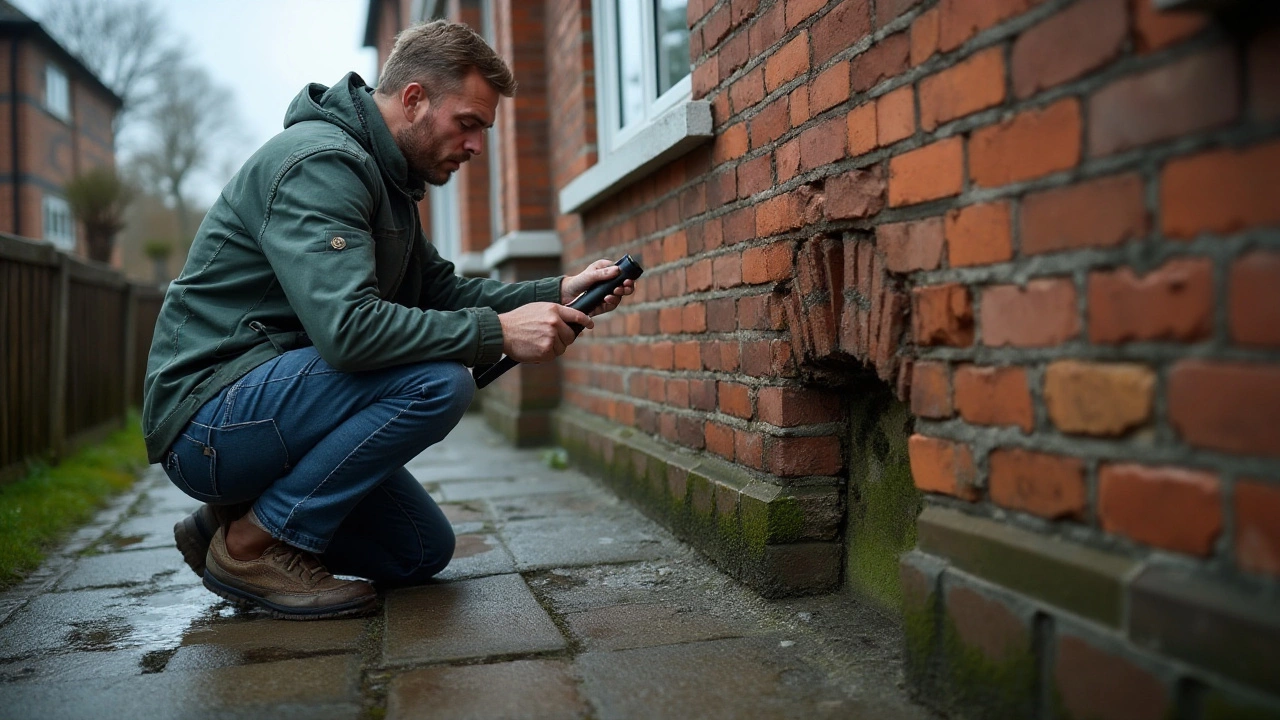
Water damage to a home's foundation can lead to significant structural issues if not identified and addressed promptly. This article explores the signs of water damage, what causes it, and the potential consequences if left untreated. Readers will also find tips on preventative measures and when to consult a professional. Recognizing and responding to these early signs can save homeowners from potential costly repairs.