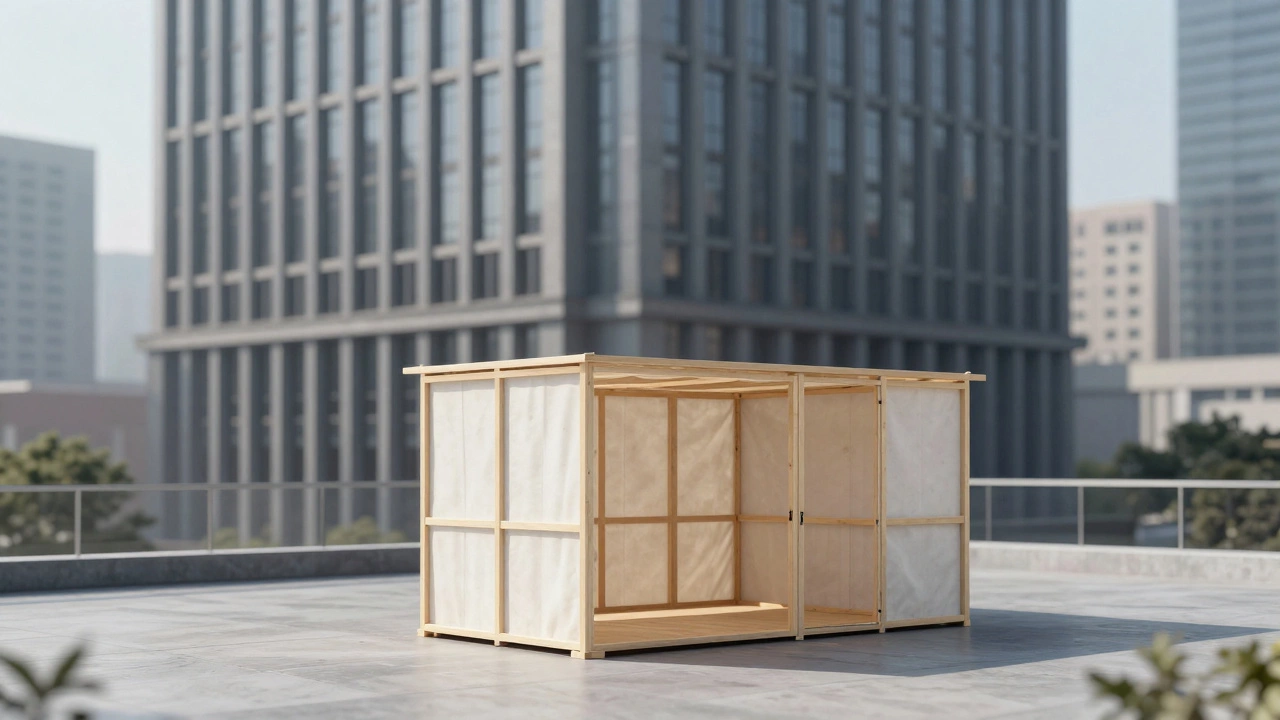
Type D Construction Suitability Checker
Use this tool to evaluate if your project meets the criteria for Type D (Temporary/Accessory) construction or if you should upgrade to Type V (Permanent Wood Frame).
Quick Summary of Type D Construction
- Purpose: Used for temporary, seasonal, or low-occupancy structures.
- Material: Usually light-frame wood, plastic, or fabric.
- Fire Rating: No required fire-resistance rating for primary members.
- Key Constraint: Strictly limited by size, location, and how many people can be inside.
- Common Examples: Temporary kiosks, seasonal tents, and small agricultural sheds.
The Hierarchy of Building Types
To understand why Type D exists, you have to look at how building codes, like the International Building Code (IBC), categorize structures. Most commercial buildings fall into Types I through V. Type I is the safest (think steel and concrete skyscrapers), while Type V is common for residential homes (standard wood framing). Type D sits outside this traditional scale. It doesn't aim for a "rating" because it lacks the materials to provide one. If a Type I building is a fortress, Type D is more like a cardboard box-useful for a moment, but not something you'd trust to protect you during a three-hour inferno. This is why you will never see a Type D classification for a hospital, a school, or a shopping mall.
| Type | Primary Material | Fire Resistance | Typical Use |
|---|---|---|---|
| Type I | Steel / Concrete | High (Hours) | High-rise Offices |
| Type V | Wood Frame | Low (Minutes) | Single-family Homes |
| Type D | Fabric / Light Wood | None/Negligible | Temp. Kiosks / Sheds |
When is Type D Actually Used?
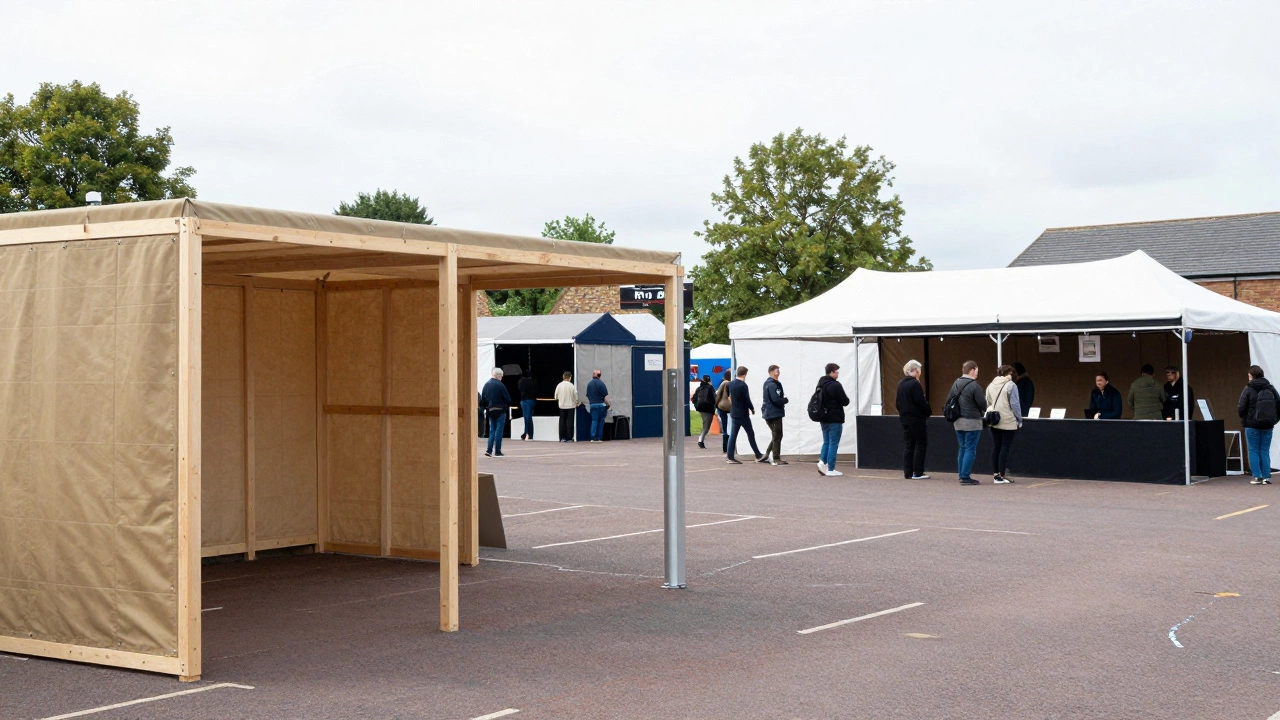
You won't find Type D construction in a city's master plan for permanent development, but it pops up everywhere in commercial construction for short-term needs. Think about the temporary ticket booths at a music festival or a pop-up seasonal shop in a parking lot. These aren't meant to last ten years; they are meant to last ten weeks. Agricultural settings also rely heavily on this. A small tool shed or a temporary livestock shelter often falls under these guidelines. Because the risk to human life is low (since people aren't sleeping there or congregating in large numbers), the government allows these builds to bypass the expensive fireproofing required for a standard warehouse.
The Critical Risks and Limitations
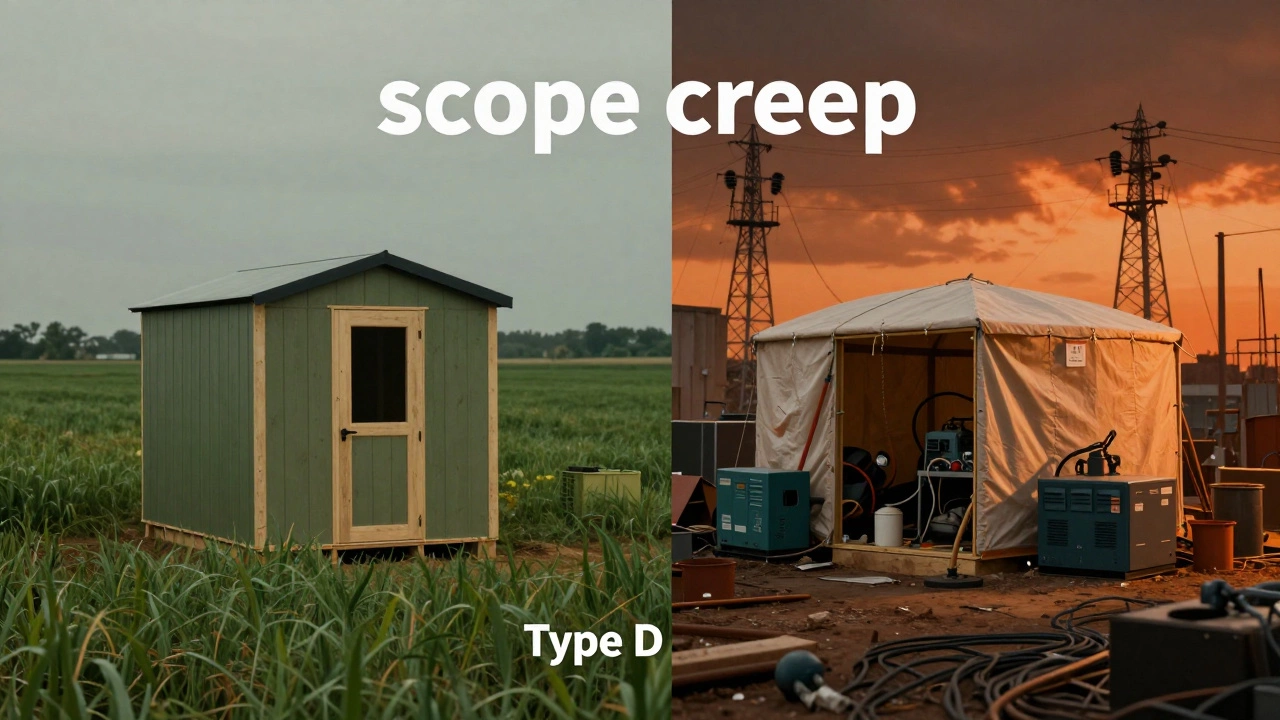
The biggest danger with Type D construction is "scope creep." This happens when a business owner builds a temporary Type D structure but then decides to use it as a permanent office or a storage room for flammable chemicals. This is a recipe for disaster. Since Type D structures lack Fire-Resistant Materials, they can ignite and collapse in a fraction of the time it takes a Type V building to fail. If you're using Type D, you have to be obsessive about three things: occupancy limits, distance from other buildings, and the absence of hazardous materials. If you put a high-voltage generator inside a fabric-walled Type D shed, you've essentially created a firebomb.
Compliance and Permitting for Temporary Builds
Just because it's "temporary" doesn't mean you can ignore the law. In most jurisdictions, you still need a permit for Type D structures, even if the requirements are lighter. Inspectors will look for specific things:
- Egress Paths: Can people get out quickly? Since the building will burn fast, the exits must be clear and unobstructed.
- Wind Load: Because they are lightweight, Type D buildings are prone to being blown away. You'll need to show how the structure is anchored to the ground.
- Setback Requirements: How far is the structure from the neighboring property? You can't put a Type D shed right against a Type I office building because if the shed catches fire, it could act as a fuse to the larger building.
Choosing Between Type D and Other Options
If you're deciding whether to go with a Type D build or move up to a Type V (standard wood frame), ask yourself: How long will this be here? If it's less than six months, the cost savings of Type D are huge. You don't have to deal with drywall, fire-rated ceilings, or complex electrical conduits. However, if this is a "temporary" building that you suspect will actually stay for three years, do yourself a favor and build to Type V standards. The cost of upgrading a Type D structure later is almost always higher than building it right the first time. Plus, your insurance company will likely charge you a much higher premium-or refuse coverage entirely-if you use a Type D structure for anything other than its intended purpose.
Can a house be built using Type D construction?
No. Residential dwellings must meet strict safety and fire codes, usually falling under Type V or Type III. Type D is strictly for non-residential, temporary, or very low-risk accessory structures.
Does Type D construction require a building permit?
In most cases, yes. While the requirements are less stringent than a permanent build, local municipalities still need to ensure the structure won't blow over in a storm or create a fire hazard for neighboring properties.
What materials are most common in Type D builds?
Common materials include lightweight pine lumber, PVC, heavy-duty industrial fabrics, and aluminum poles. The key is that these materials are not treated with fire-retardant chemicals to the level required by higher construction types.
How does insurance view Type D structures?
Insurance companies generally view Type D as high-risk. They may limit the amount of inventory you can store inside or require additional fire extinguishers and smoke detectors to be present to provide coverage.
What happens if I convert a Type D building to a permanent one?
This is often illegal without a full re-permitting process. You would need to bring the building up to current building codes, which usually means adding fire-rated walls, proper foundations, and approved electrical wiring.
Next Steps and Troubleshooting
If you're planning a temporary installation, start by checking your local zoning laws. Some cities have "temporary structure" ordinances that allow Type D builds for only 30 or 90 days per year. If you exceed that, you might be hit with a fine or an order to demolish the structure.
For those in the agricultural sector, look into "Agricultural Exemptions." Some regions allow Type D sheds without any permits at all, provided they stay under a certain square footage. Always double-check with your county clerk to avoid an expensive mistake.