General Contractor Fee & Budget Estimator
Estimate the cost of hiring a General Contractor for your next project. Select a fee structure to see how it impacts your bottom line.
Project Estimate
You’ve got the plans. You’ve got the budget. But staring at an empty lot or a gutted kitchen, you might be asking: who actually runs this show? That’s where the General Contractor comes in. Think of them as the conductor of your construction orchestra. They don’t play every instrument, but they ensure the music doesn’t fall apart.
Many homeowners confuse a general contractor (GC) with a builder or a project manager. While roles can overlap, a GC has specific legal and operational responsibilities that protect your investment. If you’re planning a build in Auckland or anywhere else, understanding these duties saves you from headaches, delays, and blown budgets.
The Core Role: Project Management and Coordination
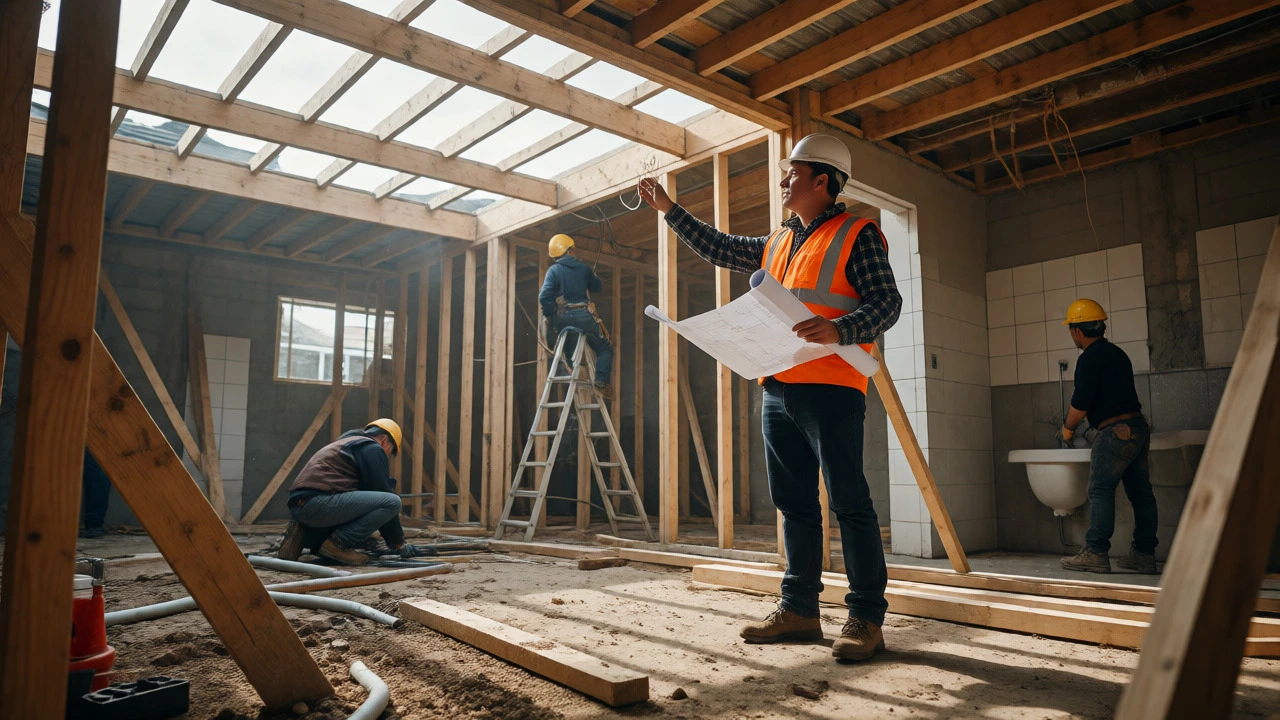
At its heart, a general contractor manages the entire construction process from start to finish. This isn’t just about showing up on time. It involves complex logistics that most DIYers underestimate. The GC creates the schedule, orders materials, and coordinates the flow of tradespeople.
Imagine trying to coordinate a plumber, an electrician, and a tiler to work in the same small bathroom without them tripping over each other’s tools. A skilled GC sequences these tasks so one finishes just as the next begins. They handle the "critical path"-the series of tasks that determine the project’s minimum duration. If the roof leaks, the interior painters can’t start. The GC spots these bottlenecks before they cost you money.
They also act as your single point of contact. Instead of calling ten different subcontractors when something goes wrong, you call the GC. They troubleshoot, resolve conflicts, and keep the communication lines clear. This centralization is crucial for maintaining momentum.
Hiring and Managing Subcontractors
A general contractor rarely does all the physical labor themselves. They hire specialized Subcontractors (subs) for specific tasks like electrical work, plumbing, roofing, and HVAC installation. Choosing the right subs is a massive part of the job.
Reputable GCs have established relationships with high-quality tradespeople. They know which electrician works fast but needs supervision, and which roofer delivers premium quality but takes longer. This network reduces risk. When a GC hires a sub, they vet their licenses, insurance, and past performance. If a sub fails to deliver, it’s the GC’s responsibility to replace them or fix the work, not yours.
- Vetting: Checking licenses and references for all trades.
- Scheduling: Booking subs weeks in advance to align with material deliveries.
- Quality Control: Inspecting sub’s work against local building codes.
- Payment: Handling invoices and ensuring subs are paid promptly to avoid liens.
Permits, Codes, and Compliance
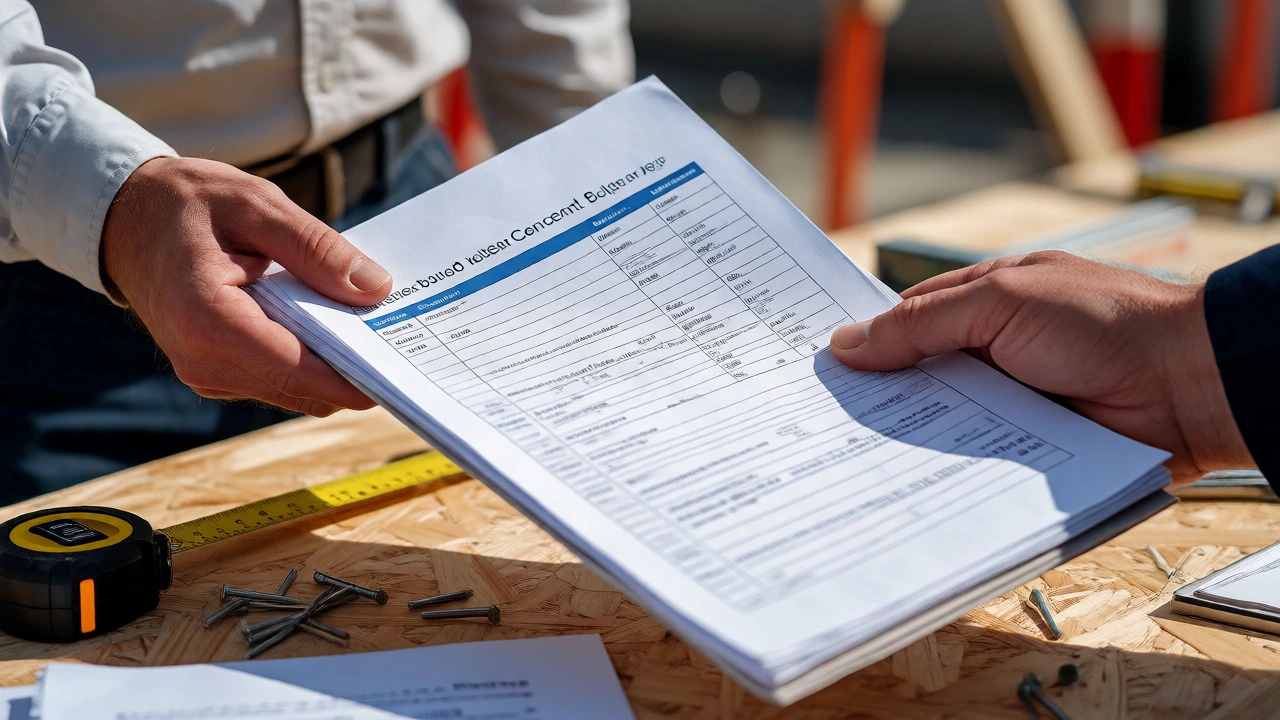
Nobody likes paperwork, but construction generates a mountain of it. In New Zealand, for example, you need Building Consent from your local council before breaking ground. A general contractor handles this application process. They prepare the necessary documentation, submit it, and manage inspections throughout the build.
Building codes vary by region. A GC stays updated on local regulations, such as the New Zealand Building Code or international equivalents like the International Residential Code (IRC). They ensure structural integrity, fire safety standards, and energy efficiency requirements are met. Missing an inspection deadline can halt your project for weeks. The GC tracks these dates religiously.
If an inspector flags an issue-say, improper framing spacing-the GC directs the crew to fix it immediately. They sign off on compliance documents, giving you peace of mind that your structure is legal and safe.
Budgeting and Cost Control
Staying within budget is often the biggest fear for homeowners. A general contractor provides detailed estimates and manages costs during execution. They break down expenses into labor, materials, equipment, and overhead.
However, surprises happen. You might discover dry rot behind a wall or decide to upgrade your countertops mid-project. These changes affect the bottom line. A good GC presents change orders transparently. They explain exactly what costs extra and why, allowing you to make informed decisions rather than being hit with a surprise bill at the end.
| Fee Model | Description | Best For |
|---|---|---|
| Fixed Price | One total price for the defined scope. | Projects with clear, unchanging plans. |
| Cost-Plus | Actual costs plus a percentage fee (10-20%). | Renovations with unknown variables. |
| Time & Materials | Hourly rates for labor plus material costs. | Small repairs or undefined scopes. |
Understanding these models helps you choose the right contract type. Fixed-price offers predictability, while cost-plus offers flexibility. The GC advises which model suits your specific project risks.
Site Safety and Security
Construction sites are hazardous. Heavy machinery, power tools, and unstable structures pose real risks. The general contractor is legally responsible for site safety. They implement protocols to prevent accidents involving workers and passersby.
This includes securing the site perimeter, providing personal protective equipment (PPE), and conducting daily safety briefings. If a neighbor walks through your yard and gets injured because the fence was open, liability issues arise. A professional GC ensures the site is secure after hours. They also manage waste disposal, keeping the area clean to prevent slips and trips.
In residential areas, noise and dust control matter too. The GC schedules loud activities during permitted hours and uses barriers to contain debris. Maintaining good relations with neighbors prevents complaints that could delay your permit renewals or inspections.

Quality Assurance and Final Handover
As the project nears completion, the GC conducts a punch list walk-through. This is a detailed inspection where they identify minor defects-paint drips, missing trim, loose switches-and direct subs to fix them. This step ensures you receive a finished product that meets agreed-upon standards.
Once the work passes final inspection, the GC hands over warranties and maintenance guides. They provide contact information for subs if future repairs are needed. This post-completion support distinguishes a professional GC from a casual handyman. They stand behind their work, offering a warranty period (often one year) for labor and defects.
When Do You Actually Need One?
Not every project requires a full-service general contractor. If you’re repainting a room or installing floating shelves, you probably don’t need one. However, if your project involves multiple trades, structural changes, or permits, hiring a GC becomes cost-effective.
Consider a kitchen renovation. You need demolition, plumbing rerouting, electrical updates, cabinetry installation, and countertop fitting. Coordinating these five distinct trades yourself is a full-time job. A GC absorbs that stress. Their fee (typically 10-20% of the project cost) pays for their expertise in avoiding costly mistakes, like ordering tiles that arrive three weeks late.
For new builds, a GC is essential. The complexity of foundations, framing, roofing, and mechanical systems demands professional oversight. Attempting to self-manage a new build often leads to errors that compromise structural integrity or resale value.
What is the difference between a general contractor and a construction manager?
A general contractor performs the work and hires subs, taking financial risk for the build. A construction manager acts as an agent for the owner, overseeing multiple prime contracts but typically not performing the work themselves. GCs are more common for residential projects, while CMs are frequent in large commercial builds.
How much does a general contractor charge?
Fees vary by region and project size. Typically, GCs charge 10% to 20% of the total project cost as a markup for overhead and profit. Some use hourly rates for smaller jobs. Always get multiple quotes to compare market rates in your area.
Do I need a general contractor for a bathroom remodel?
If the remodel involves moving pipes, changing electrical layouts, or altering walls, yes. A GC ensures code compliance and coordinates the sequence of trades. For simple cosmetic updates like replacing fixtures or painting, you might manage it yourself.
Who pulls the building permits?
Usually, the licensed general contractor pulls the permits. This is beneficial because the permit is tied to their license, adding accountability. If you pull the permit yourself, you become the "owner-builder," assuming full legal responsibility for code compliance and inspections.
Can a general contractor help with design?
Some GCs offer design-build services, collaborating with architects or designers. Others focus solely on construction. Ask upfront if they provide value engineering suggestions-ways to achieve your design goals with more cost-effective materials or methods.