Construction Profit & Margin Calculator
Financial Breakdown
Enter values to see the markup percentage over direct costs.
Walk onto any job site and you'll see thousands of dollars in materials and labor moving every hour. But at the end of the month, how much of that money actually stays in the contractor's pocket? Many new builders assume that if they charge $100,000 for a project and spend $80,000, they've made a killing. In reality, after taxes, insurance, and overhead, that "profit" often vanishes. Understanding the construction profit margin is the difference between owning a thriving business and simply owning a very stressful job.
Quick Financial Benchmarks
- Gross Profit Margin: Typically 10% to 25% depending on project size.
- Net Profit Margin: Usually ranges from 2% to 8% for the average company.
- Specialty Trades: Often see higher margins (15%+) due to niche expertise.
- General Contractors: Tend to have lower net margins due to higher overhead and risk.
Defining Profit in the Building World
Before looking at the numbers, we need to clear up a common mistake: confusing gross profit with net profit. In the building industry, these two numbers tell completely different stories.
First, there is Gross Profit is the money left over after paying for the direct costs of a project, such as materials and direct labor. For example, if you build a deck for $10,000 and the wood and crew cost you $7,000, your gross profit is $3,000. This isn't money you can spend on a vacation yet; it's the fund used to keep your business running.
Then comes Net Profit, which is the actual bottom-line income after every single expense is paid. This includes your office rent, the insurance for your trucks, software subscriptions, and your own salary. If that $3,000 gross profit has to cover $2,000 in monthly overhead, your net profit is only $1,000. This is the true measure of a company's health.
Average Margins by Project Type
Not all construction jobs are created equal. A massive commercial warehouse has a different financial profile than a custom kitchen remodel. Generally, the larger the project, the thinner the margin becomes because the competition is fiercer and the risks are higher.
Residential remodeling is where you often find the highest margins. Because these jobs require high levels of coordination and deal with "unknowns" (like finding mold behind a wall), clients are willing to pay a premium for a contractor who can manage the chaos. It's not uncommon for a high-end remodeler to aim for a 20% net profit.
On the other hand, new home builds often operate on razor-thin margins. When you're building ten houses in a subdivision, you're fighting for every penny. A 3% to 5% net profit is standard here. The goal isn't high margin per unit, but high volume across the rest of the year.
| Sector | Avg. Gross Margin | Avg. Net Margin | Primary Driver |
|---|---|---|---|
| Custom Residential | 20% - 30% | 8% - 12% | Craftsmanship/Design |
| General Contracting | 10% - 15% | 3% - 7% | Management Scale |
| Specialty Trades (Electric/HVAC) | 30% - 50% | 10% - 15% | Technical Skill |
| Heavy Civil/Commercial | 5% - 10% | 1% - 4% | Equipment/Volume |

The Hidden Profit Killers
Why do so many contractors struggle to hit these averages? It's rarely because they don't have enough work. It's usually because of "profit leaks." The most common culprit is scope creep. This happens when a client asks for "one small change" that doesn't cost you much time but eats into your margin because you didn't charge for it.
Another major leak is poor Job Costing is the process of tracking every dollar spent on a specific project to compare actual costs against estimated costs. If you estimate a project will take 100 hours of labor but it actually takes 130, those 30 extra hours come directly out of your net profit. If your margin was only 5%, a few labor mistakes can turn a profitable job into a loss.
Then there's the issue of Overhead, which refers to the fixed costs of running a business regardless of whether you have a project active. Many contractors understate their overhead. They forget to account for the time spent bidding on new jobs, the cost of fuel, or the depreciation of their heavy machinery. When overhead is underestimated, the "profit" they think they're making is actually just covering the bills.
How to Increase Your Margins
You can't just raise your prices and hope for the best. If you're too expensive, you lose the job; if you're too cheap, you go out of business. The key is to optimize how you operate.
First, move toward a Value-Based Pricing model. Instead of just adding 10% to your costs, price based on the value you provide. If you're the only contractor in town who can guarantee a 2-week turnaround on a bathroom, you can charge more than the guy who takes two months. People pay for speed and reliability.
Second, tighten your subcontractor management. In a typical general contracting setup, the GC earns a fee for managing Subcontractors, which are specialized tradespeople hired to perform specific tasks like plumbing or electrical work. If a subcontractor is slow or does poor work, the GC pays the price in delayed timelines and rework. Using a vetted, reliable crew reduces the risk of costly errors.
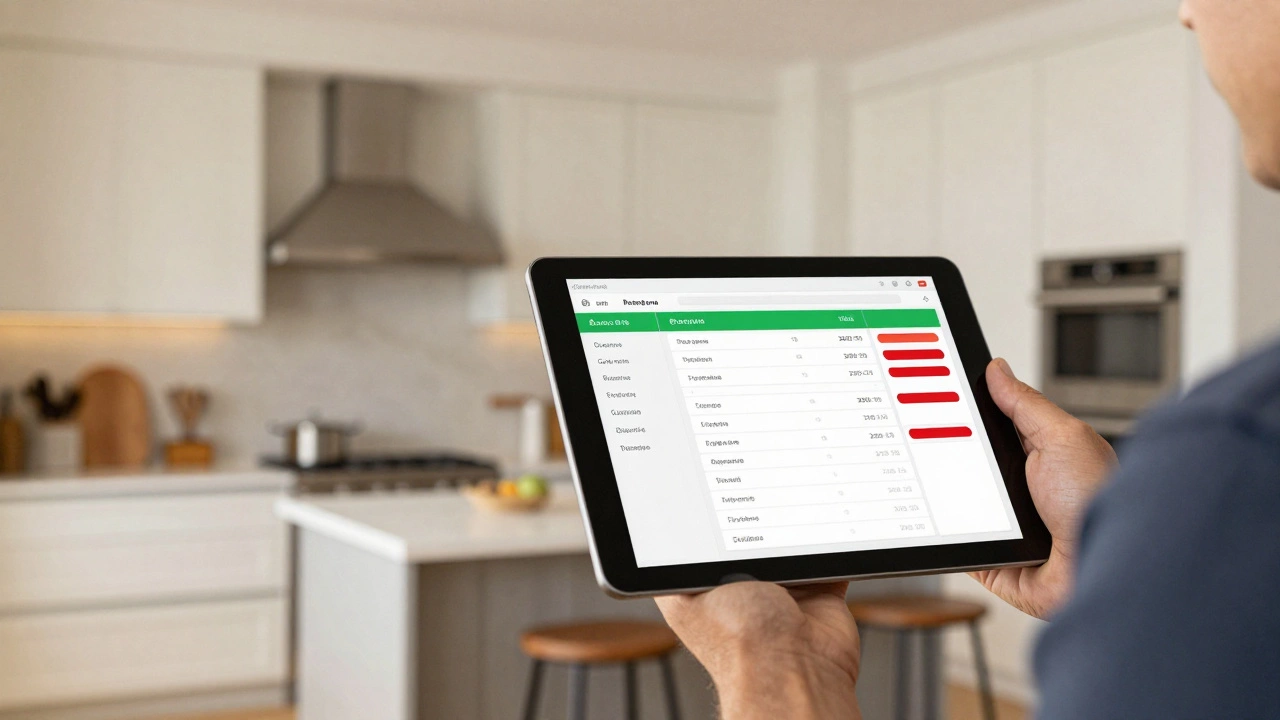
Finally, utilize project management software. Tracking hours in real-time rather than guessing at the end of the week allows you to spot a failing project before it's too late. If you see labor costs spiking in week three, you can adjust your approach or talk to the client about changes before you've already lost the money.
Common Pitfalls to Avoid
Avoid the "Race to the Bottom." This is the temptation to be the lowest bidder to ensure you get the work. When you bid at the absolute floor, you leave zero room for error. One broken pipe or one delayed shipment of lumber will wipe out your entire profit for that project.
Another mistake is ignoring the "Cash Flow Gap." Profit is not the same as cash in the bank. You might have a project with a 15% profit margin, but if the client doesn't pay you for 60 days while you're paying your crew every Friday, you'll run out of money despite being "profitable." Always structure your contracts with a clear deposit and milestone payments to keep cash moving.
Why are construction margins so low compared to tech?
Construction is capital-intensive and high-risk. You have to pay for physical materials and human labor before you get paid. Unlike a software app that can be copied a million times for free, every single construction project requires new materials and new hours, which keeps margins naturally tighter.
What is a "good" net profit for a small contractor?
For a small residential contractor, a net profit of 5% to 10% is considered healthy. If you're hitting 15%, you're doing exceptionally well. If you're under 2%, you're in the danger zone where one major mistake could put you in debt.
How do I calculate my markup versus my margin?
Markup is the percentage added to the cost (Cost x 1.20 = 20% markup). Margin is the percentage of the final selling price that is profit. If you buy something for $80 and sell it for $100, you have a 25% markup but only a 20% profit margin. Confusing these two is a common way contractors lose money.
Should I include my own salary in the overhead?
Yes. Many owners treat their "pay" as the profit. This is a mistake. You should pay yourself a fair market salary as a business expense (overhead). True profit is the money the business makes AFTER you have been paid for your work. This allows you to see if the business is actually viable.
How can I stop scope creep from eating my profits?
Use a detailed Change Order process. Never agree to a change verbally. Even if it's a small request, write it down, price it, and get the client's signature. When clients see that "small changes" have a price tag, they become more decisive and less likely to fluctuate, protecting your margin.
Next Steps for Improving Your Bottom Line
If you're currently unsure where your money is going, start with a retrospective. Take your last three completed projects and dig through every receipt and payroll entry. Compare what you actually spent to what you estimated. This "post-mortem" analysis is the fastest way to find your profit leaks.
From there, adjust your bidding strategy. If you consistently see that labor is 10% higher than your estimates, stop trying to work faster-start bidding 10% more for labor. Your clients aren't buying the cheapest price; they're buying a finished project that looks great and is done on time. Accuracy in your numbers is the only way to ensure that happens.