Storage Suitability Calculator
Select a location and item to see results
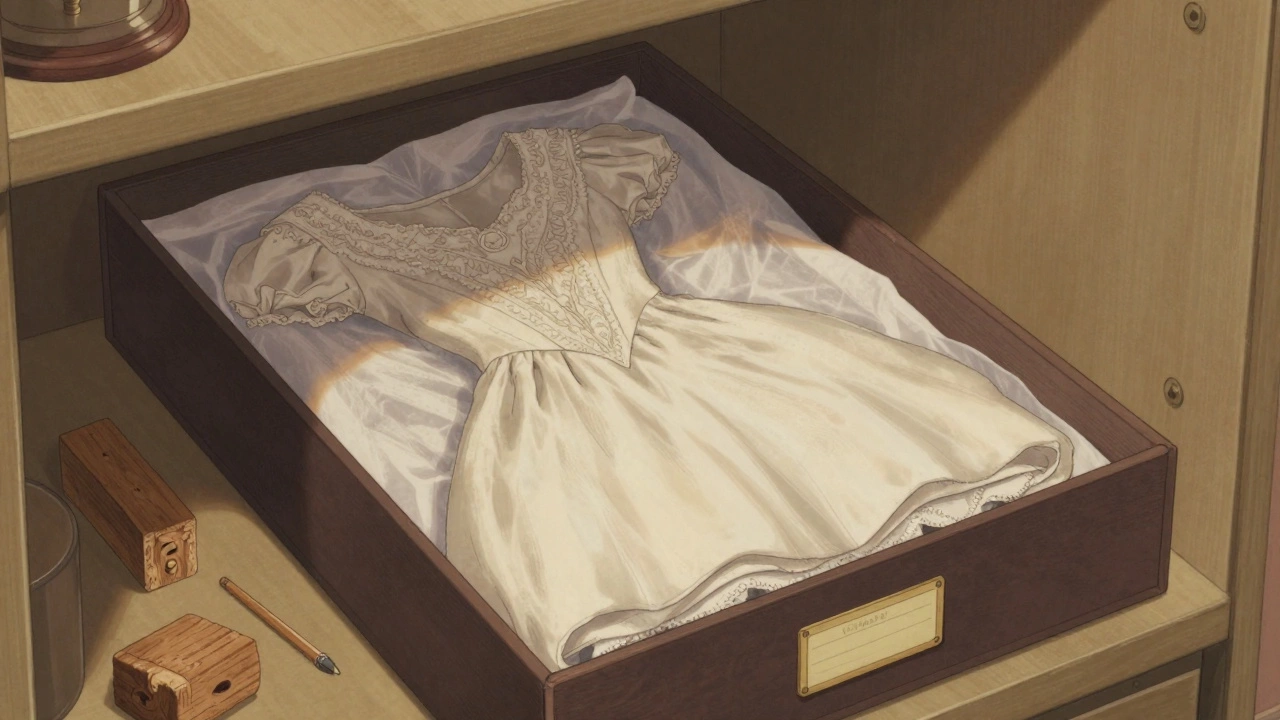
When you need to store things for years-not just a season-your choices matter more than you think. A box in the attic might seem fine until your grandma’s wedding dress turns yellow, or your childhood photo album sticks together from damp air. Long-term storage isn’t about cramming stuff away. It’s about protecting what matters. And that means picking the right kind of storage, not just the most convenient one.
What Makes Storage "Long-Term"?
Long-term means five years or more. That’s enough time for humidity to warp wood, for mold to spread in a sealed box, or for plastic to break down and stick to your clothes. Things like family heirlooms, seasonal clothing, important documents, old electronics, and memorabilia don’t just sit there-they change. And if your storage doesn’t protect them, they’ll degrade.
Most people think "storage" means a garage, basement, or attic. But those spaces aren’t designed to preserve things. They’re designed to hold extra stuff. And that’s the problem.
Climate Control: The Hidden Rule
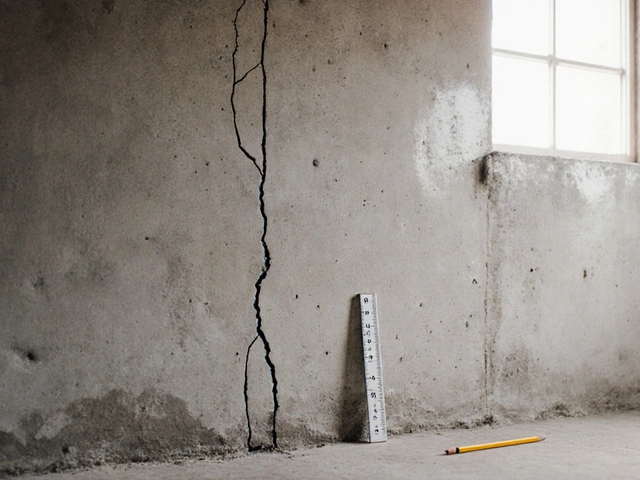
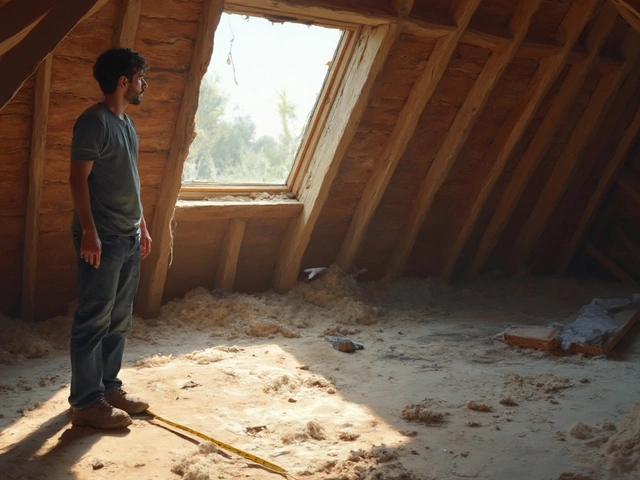
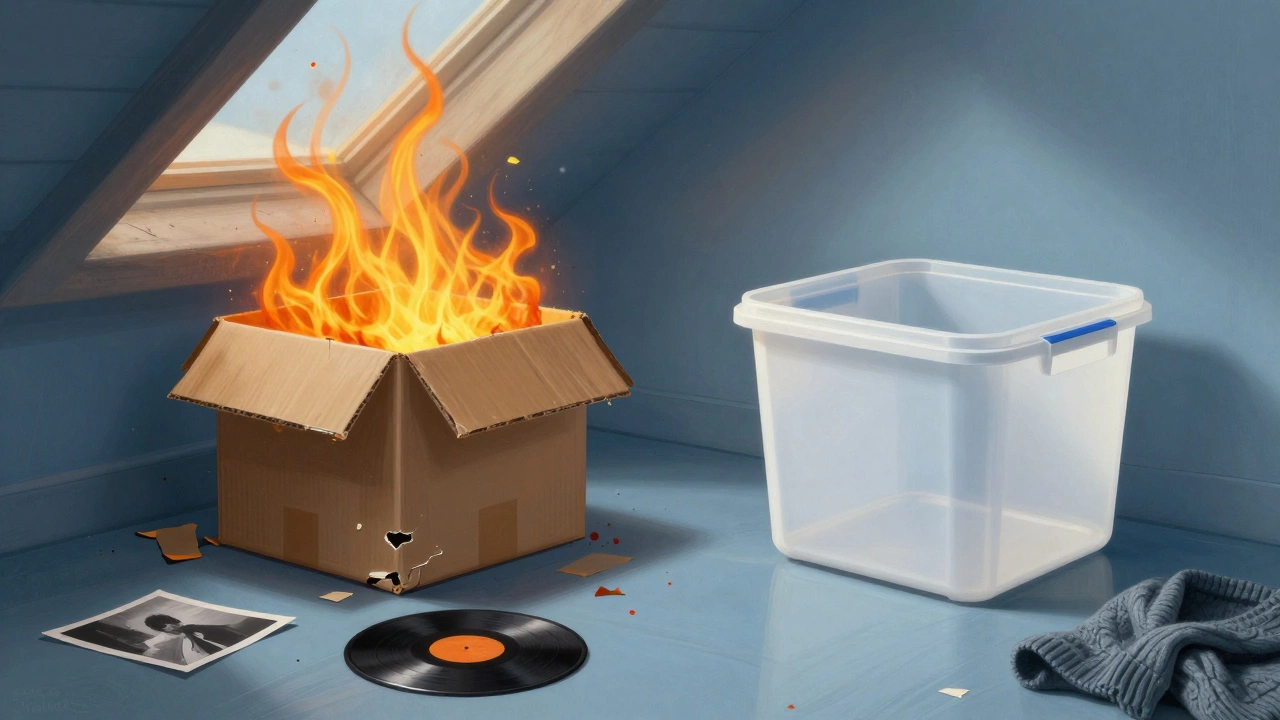
Temperature and humidity are the two silent killers of long-term items. In most homes, attics can hit 120°F in summer and drop below freezing in winter. Basements stay cool but are often 60-80% humidity-perfect for mold and mildew. Even in dry climates, seasonal swings damage paper, leather, and fabric.
Studies from the Library of Congress show that paper stored at 70°F and 35-45% relative humidity lasts 2-3 times longer than in typical home conditions. That’s not a guess. That’s science. So if you’re storing anything valuable-photos, letters, vinyl records, wool coats, or vintage toys-you need stable conditions.
That’s why climate-controlled storage units are the gold standard. These aren’t just fancy warehouses. They’re built with insulation, dehumidifiers, and HVAC systems that keep temps between 55-75°F and humidity around 40%. They’re used by museums, archives, and collectors for a reason.
Storage Containers: Not All Boxes Are Equal
If you’re storing things at home, the container matters as much as the space. Cardboard boxes? They attract bugs, absorb moisture, and break down over time. Plastic bins? Better-but only if they’re made of polypropylene or polyethylene. Avoid cheap PVC bins. They can off-gas chemicals that yellow fabrics and damage electronics.
Look for archival-quality containers. These are acid-free, lignin-free, and often labeled "museum-grade." For photos and documents, use polypropylene sleeves or boxes with airtight seals. For clothing, use breathable cotton storage bags-not plastic. Wool sweaters need airflow to prevent moth damage. Leather needs to breathe too.
Label everything clearly. Use pencil on acid-free tags, not permanent markers. Ink bleeds and can stain. And never store items directly on concrete. Always use wooden pallets or plastic risers to lift containers off the floor.
Home Storage Options Compared
Here’s what actually works for long-term storage at home, ranked by protection level:
| Storage Type | Climate Control | Moisture Protection | Best For | Drawbacks |
|---|---|---|---|---|
| Climate-Controlled Storage Unit | Yes | Excellent | Photos, documents, heirlooms, electronics, art | Monthly fee, requires travel |
| Indoor Closet (Bedroom) | Yes | Good | Seasonal clothing, books, non-sensitive items | Space-limited, not ideal for heavy items |
| Garage (with bins) | No | Poor | Tools, sports equipment, holiday decorations | Extreme temps, pests, moisture |
| Basement (with risers and sealed bins) | No | Moderate | Durable items: metal tools, glassware | High humidity risk, flooding danger |
| Attic | No | Very Poor | Never recommended for valuables | Extreme heat, dust, pests, structural risk |
What to Avoid at All Costs
Some storage habits are worse than none at all.
- Storing items in plastic bags-especially trash bags. They trap moisture and create a greenhouse effect inside.
- Using rubber bands or metal clips on documents. They rust and leave stains.
- Putting wool or silk in sealed plastic containers without mothballs or cedar blocks.
- Leaving electronics in uncontrolled spaces. Batteries leak. Circuit boards corrode.
- Storing books spine-down or stacked sideways. Pages warp. Spines crack.
Also, don’t assume "dry" means safe. A dusty attic in Arizona might seem dry, but the heat still breaks down dyes and adhesives. Cold doesn’t help either. Freezing temperatures make materials brittle.
Best Practices for Specific Items
Not everything needs the same treatment.
- Photos and negatives: Store in acid-free sleeves inside polypropylene boxes. Keep them flat. Never stack. Digital backups are essential.
- Documents and papers: Use archival boxes. Avoid laminating-it traps moisture and makes restoration impossible.
- Clothing: Clean everything before storing. Dirt attracts pests. Fold wool and silk. Hang silk in breathable garment bags. Use cedar blocks, not mothballs (they leave chemical residue).
- Electronics: Remove batteries. Store in anti-static bags. Keep in climate-controlled spaces. Include silica gel packs.
- Vinyl records: Store vertically in a cool, dry place. Use inner sleeves made of polyethylene. Never stack.
- Wooden furniture: Keep away from direct sunlight and humidity swings. Wax it lightly before storage.
When to Rent a Storage Unit
You don’t need a storage unit for every box. But if you’re holding onto family archives, wedding albums, antique furniture, or decades of letters, renting a climate-controlled unit is worth the cost. A 5x10 unit runs $60-$120/month depending on location. That’s less than a monthly streaming subscription.
Look for facilities with:
- 24/7 security and surveillance
- On-site management
- Climate control as standard, not an upgrade
- Ground-floor access or elevators
- Insurance options
Ask if they use dehumidifiers, not just air conditioning. Many places claim "climate control" but only regulate temperature. Humidity is the real threat.
What You Can Do Today
You don’t need to overhaul your whole home. Start with one drawer, one box, one shelf.
- Pick one category: old photos, baby clothes, holiday decorations.
- Sort what you’re keeping vs. what you can let go.
- Get one archival-quality box or container.
- Move it to the best spot in your home-preferably a closet on an interior wall, away from windows.
- Label it clearly and check it once a year.
That’s it. No fancy gadgets. No expensive systems. Just better habits.
Final Thought: Storage Is About Care, Not Space
Long-term storage isn’t about how much you can fit. It’s about what you’re willing to protect. The right container, the right place, and a little attention go further than a whole garage full of boxes. Your future self will thank you-not for the space you saved, but for what you kept safe.
Is it safe to store things in the attic?
No, it’s not safe for anything valuable. Attics experience extreme temperature swings-from below freezing in winter to over 130°F in summer. Humidity levels fluctuate wildly, and dust, pests, and roof leaks are common. Photos, documents, clothing, and electronics will degrade quickly. Only store durable, low-value items like seasonal tools or holiday decorations, and even then, use sealed plastic bins raised off the floor.
Can I use plastic bins for long-term storage?
Yes-but only if they’re made of polypropylene or polyethylene and have airtight seals. Avoid cheap, thin plastic bins made from PVC, which can release chemicals that stain fabrics and damage photos. Always use bins with lids that lock, and never store items directly on concrete. Place them on wooden pallets or plastic risers to prevent moisture wicking.
Should I use silica gel packs in storage containers?
Yes, especially for electronics, leather goods, and documents. Silica gel packs absorb excess moisture and help maintain stable humidity levels inside sealed containers. Use one or two small packs per medium-sized bin. Recharge them by baking at 200°F for 2-3 hours when they turn pink. Don’t overuse them-too much dryness can also damage organic materials like wood or paper.
How often should I check my stored items?
At least once a year. Open the containers, smell for mustiness, check for mold, and make sure labels are still readable. Look for pests, discoloration, or warping. This is especially important if you’re storing in a basement or garage. If you notice dampness or odor, move the items immediately. Regular checks catch problems before they become irreversible.
What’s the cheapest way to store things long-term?
The cheapest way is to use an interior closet in your home-preferably one without windows and away from bathrooms or kitchens. Use archival-quality boxes or sealed polypropylene bins. Keep items off the floor. Clean everything before storing. Add cedar blocks for clothing. This costs nothing but time and effort. Renting a storage unit is more expensive but necessary for large volumes or sensitive items.
Do I need to clean items before storing them?
Absolutely. Dirt, sweat, food residue, and oils attract pests and cause stains that deepen over time. Wash clothing, wipe down electronics, and dust furniture before storage. Even if something looks clean, invisible grime can cause damage over years. For delicate items like silk or wool, professional cleaning is recommended. Never store anything dirty-it’s like inviting decay.