Commercial Construction Material Selector
Select your project's primary requirement to see the recommended material and its trade-offs.
Material Recommendation
Best Use Case:
-
Key Advantage:
Main Drawback:
Pro Tip:
-
Quick Takeaways
- Commercial buildings are categorized by use (office, retail, industrial) and construction type (combustible vs. non-combustible).
- Steel and concrete are the gold standards for durability and fire safety in large-scale projects.
- The choice of construction method depends on the desired span of open space, budget, and local zoning laws.
- Modern builds often use "hybrid" systems combining wood, steel, and reinforced concrete.
The Big Picture: How Commercial Structures are Classified
Before we talk about beams and bolts, we have to talk about classification. In the building world, we don't just say "a store"; we look at the occupancy and the materials. Most commercial structures fall into specific categories based on the International Building Code (IBC). These categories determine everything from how many exits you need to whether you can use wood for the frame.
Commercial Construction is the process of creating buildings specifically designed for business activities, ranging from retail shops to massive distribution centers. Unlike residential building, it focuses heavily on high foot traffic, heavy load capacities, and strict fire safety regulations. For example, a coffee shop in a renovated old house follows different rules than a 10-story hotel.
Steel Frame Construction: The Backbone of Modern Cities
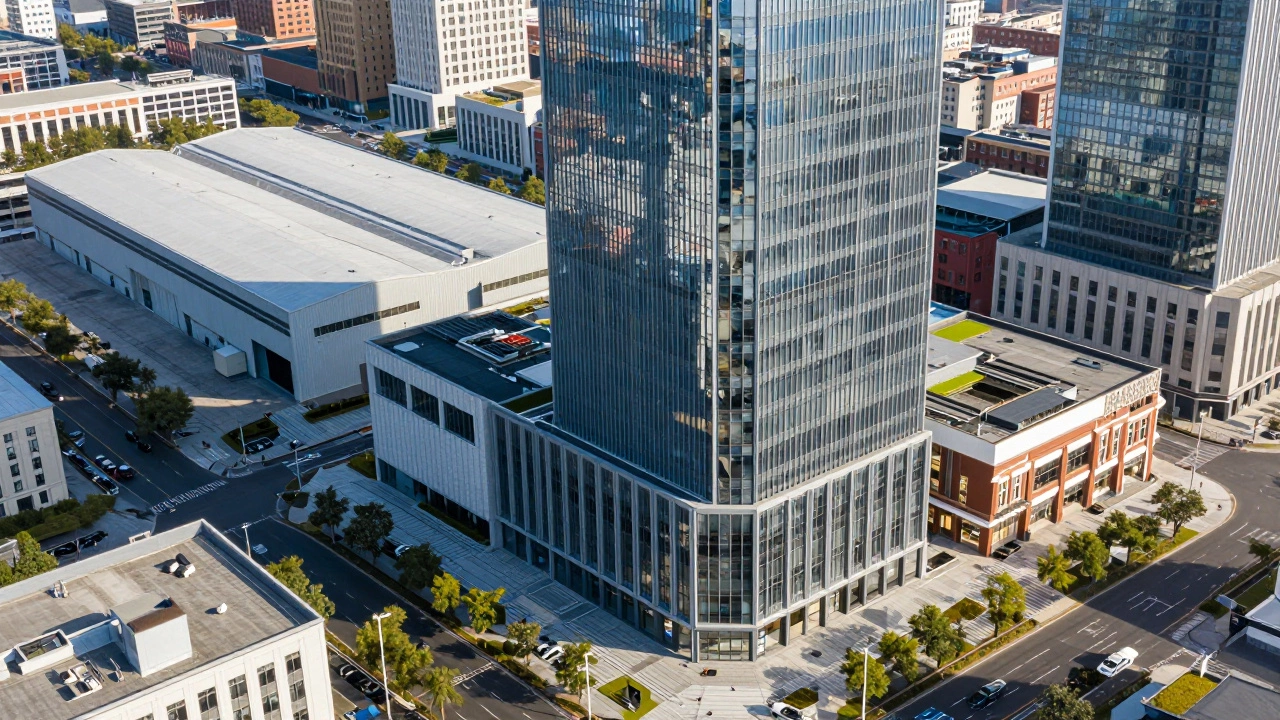
If you see a building that looks like it could touch the clouds, it's almost certainly using a steel frame. This method involves creating a skeleton of vertical columns and horizontal beams. Because steel is incredibly strong in both tension and compression, it allows architects to create massive open spaces without needing a forest of pillars every ten feet.
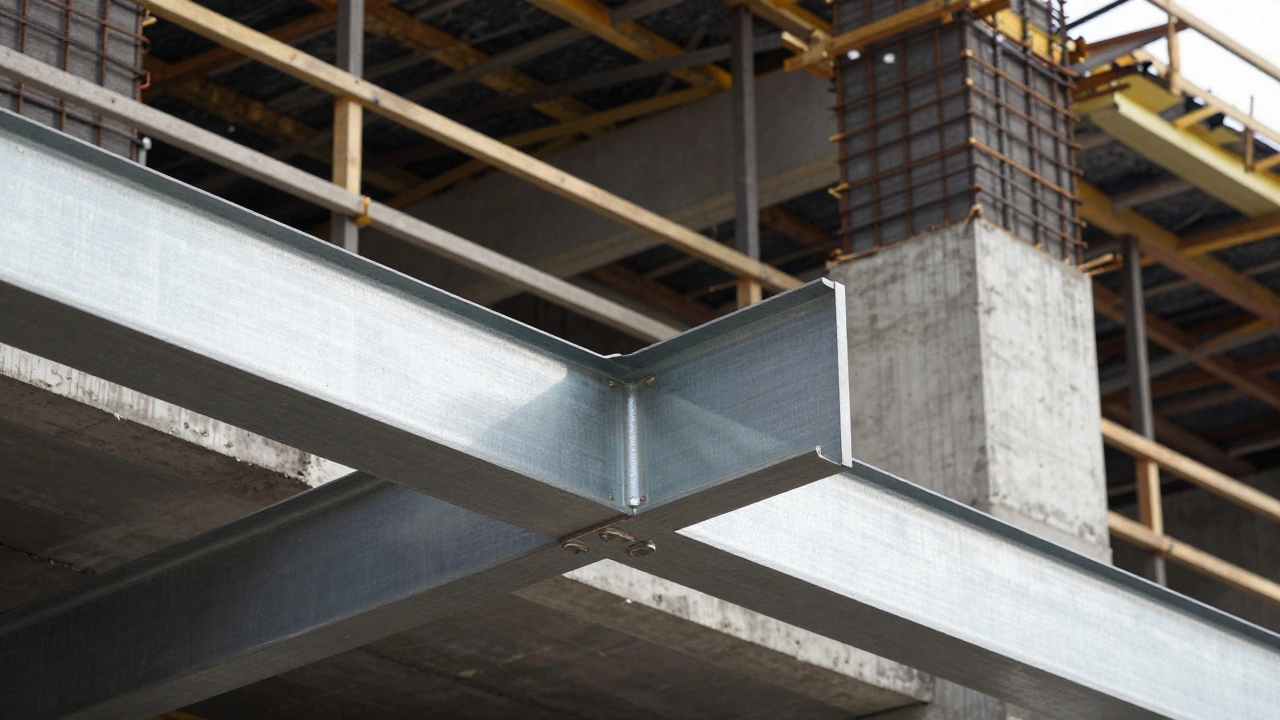
Structural Steel is a category of common steel that is used in construction to create frameworks for buildings and bridges. It is typically prefabricated in a factory and bolted or welded together on-site, which makes the assembly process much faster than pouring concrete.
Think about a modern office building. The steel frame handles the weight of the floors and people, while a "curtain wall" of glass is hung on the outside. This is why you can have a 50th-floor office with a panoramic view-the steel is doing all the heavy lifting, not the walls.
Concrete and Masonry: The Heavy Hitters
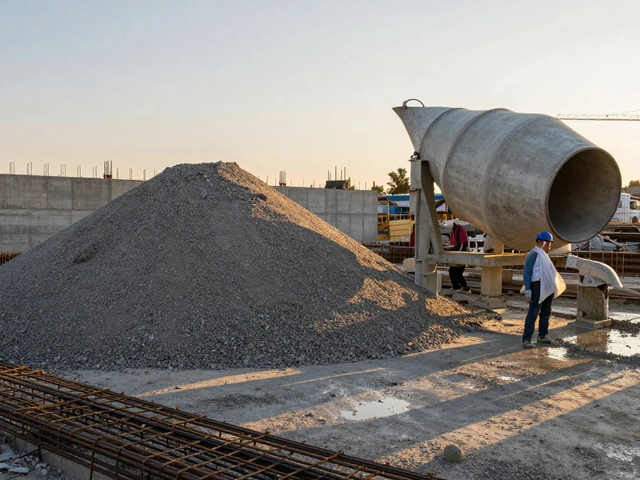
While steel is about speed and height, concrete is about permanence and protection. Many commercial structures, especially those in the industrial or healthcare sectors, rely on reinforced concrete. By embedding steel bars (rebar) inside the concrete, builders get a material that doesn't snap under pressure and doesn't burn.
Reinforced Concrete is a composite material where concrete's compressive strength is combined with the tensile strength of steel reinforcement. This is the primary choice for foundations, parking garages, and high-rise cores (the center part of the building where elevators and stairs live).
Consider a local pharmacy or a small medical clinic. These are often built using Concrete Masonry Units (CMU), commonly known as cinder blocks. They provide excellent soundproofing and a natural fire barrier between different business tenants in a shopping plaza.
Industrial Construction: Specialized for Scale
Industrial buildings-like Amazon warehouses or car manufacturing plants-have totally different needs. They don't need fancy lobbies; they need 40-foot ceilings and floors that can support a 20-ton machine without cracking. This is where we see "tilt-up" construction.
In tilt-up construction, huge concrete wall panels are poured flat on the ground slab and then hoisted into place by a crane. It's an incredibly efficient way to enclose a massive space quickly. If you've ever seen a big-box retail store like Costco, you're looking at a variation of this high-efficiency industrial approach.
| Material | Best For | Main Advantage | Main Drawback |
|---|---|---|---|
| Structural Steel | High-rises, Offices | Speed and Open Spans | Requires fireproofing |
| Reinforced Concrete | Foundations, Hotels | Durability and Fire Resistance | Slower to cure/build |
| Wood/Timber | Small Retail, Offices | Lower Cost | Height and fire limits |
| Tilt-up Concrete | Warehouses, Big Box | Rapid Enclosure | Limited aesthetic flexibility |
The Role of Wood in Commercial Work
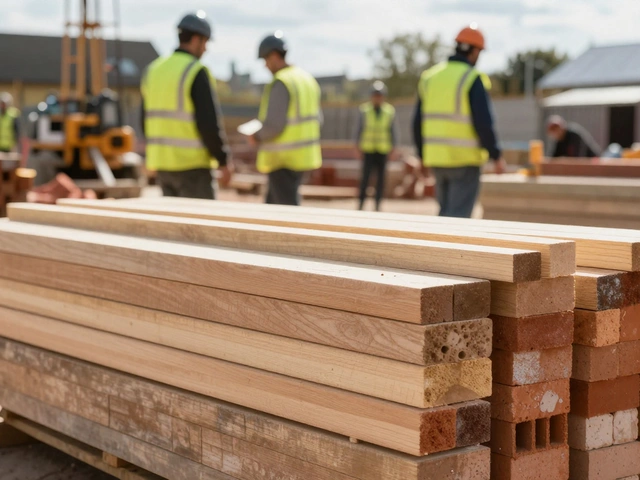
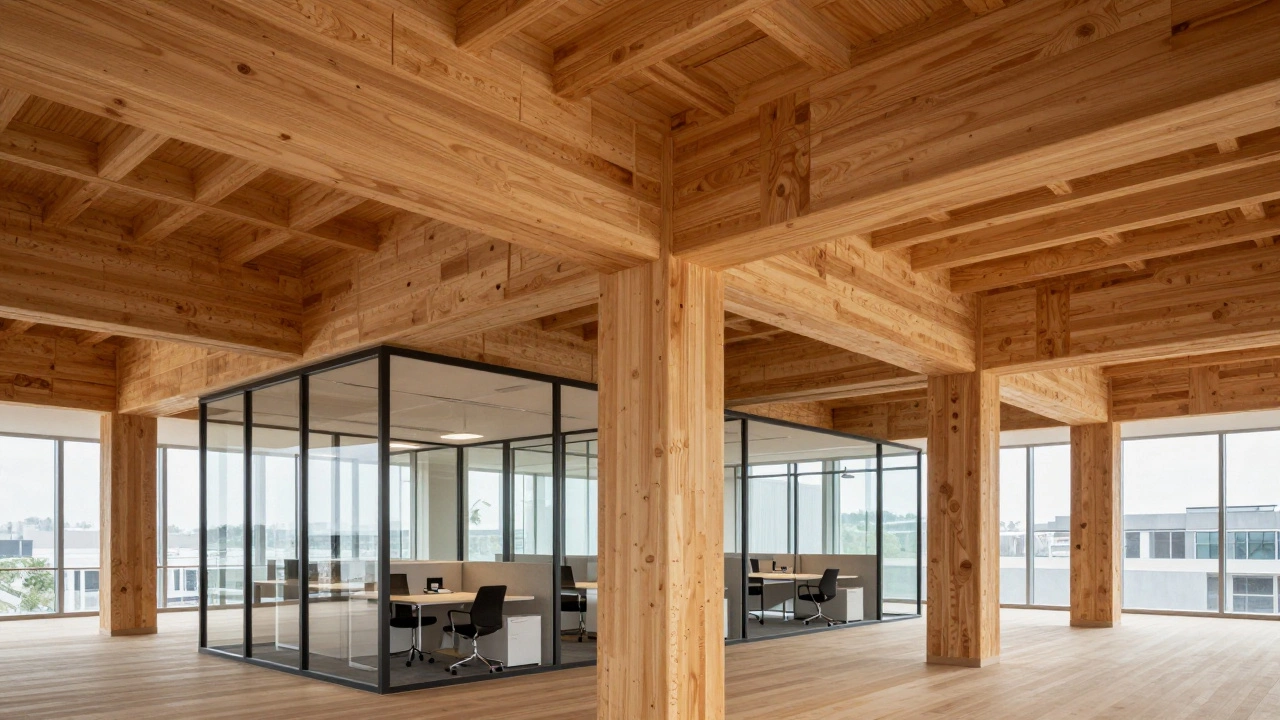
You might be surprised to find wood in a commercial setting, but it's everywhere in "Type V" construction (the most combustible type). Small professional offices, boutique shops, and low-rise apartments often use engineered wood. We aren't talking about simple 2x4s from a home center, but rather Mass Timber, which is large panels of wood glued together to create structural elements that can rival the strength of steel.
Mass timber is gaining popularity because it's more sustainable than concrete and steel. It traps carbon instead of releasing it. Some modern mid-rise offices are now being built entirely of cross-laminated timber (CLT), giving the inside a warm, natural feel while still meeting commercial safety codes.
How to Choose the Right Construction Type
Choosing a construction type isn't about what the owner likes; it's about a set of non-negotiable constraints. First is the zoning code. Your city might forbid wood-frame buildings in a high-density commercial zone because of the risk to neighboring properties if a fire breaks out.
Second is the floor load. If you're building a gym with heavy weights or a data center with rows of servers, a standard wood floor will sag or collapse. You'll need a concrete slab-on-grade or a reinforced steel deck. Third is the timeline. If a retailer needs to open by Black Friday, they will likely choose steel or tilt-up concrete because these are prefabricated and go up in a fraction of the time it takes for concrete to cure.
Common Pitfalls in Commercial Material Choice
A common mistake is ignoring the long-term maintenance of the material. For example, while steel is fast to build, it requires expensive fire-resistant coatings (like spray-on mineral wool) to prevent the beams from warping in a fire. If you skimp on the fireproofing, you're not just risking a safety violation; you're risking the entire structure.
Another trap is choosing a material that doesn't match the future use of the building. Converting an old industrial concrete warehouse into a luxury office is a great trend (adaptive reuse), but cutting new windows or plumbing lines through six-inch reinforced concrete walls is a nightmare that can blow your budget wide open.
What is the difference between commercial and residential construction?
Commercial construction is designed for public use and business operations. This means it uses more durable materials, has stricter fire codes, and requires more complex HVAC and electrical systems to handle higher loads. While a house is built for a few people, a commercial building is built for hundreds, requiring wider hallways, ADA-compliant accessibility, and reinforced flooring.
Is steel always better than concrete for commercial buildings?
Not necessarily. Steel is better for speed, flexibility, and height. However, concrete is far superior for sound insulation, fire resistance, and vibration dampening. For a hotel or a hospital, concrete is often the better choice because it prevents noise from traveling between rooms and provides a more stable environment for heavy medical equipment.
What is "Type V" construction in commercial terms?
Type V construction refers to buildings where the structural elements are made of combustible materials, primarily wood. These are typically smaller, low-rise commercial buildings. Because they are more prone to fire, they have the most restrictive limits on height and the total area of the building.
How long does a commercial concrete slab take to cure?
While concrete feels hard within 24 to 48 hours, it typically takes 28 days to reach its full design strength. In commercial projects, builders often use additives called "accelerators" to speed up this process so they can start framing the walls sooner.
What are the most expensive materials in commercial construction?
High-grade structural steel and specialized glass curtain walls are among the most expensive. However, the cost is often offset by the speed of installation. Mass timber is also currently more expensive than traditional wood due to the specialized manufacturing process, though prices are dropping as it becomes more common.
Next Steps for Planning Your Project
If you are moving from the research phase to the planning phase, your first stop should be a structural engineer. They will analyze your specific needs-like the weight of your equipment or the number of employees-to tell you which construction type is actually feasible. Don't forget to check your local municipal codes, as some cities provide tax incentives for using sustainable materials like Mass Timber.
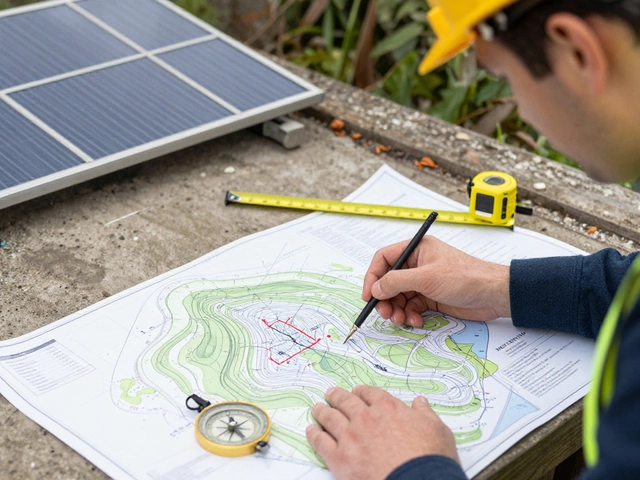
For those looking at existing properties, hire a surveyor to identify the construction type. Knowing if a building is "Type I" (non-combustible) or "Type V" (combustible) can significantly change your insurance premiums and the type of business license you can obtain for the space.