Foundation Repair Impact Analyzer
Discover how different foundation scenarios affect your home's market position. This analyzer helps you understand the real financial implications of repair decisions.
Analyze Your Situation
Analysis Results
Market Position Analysis
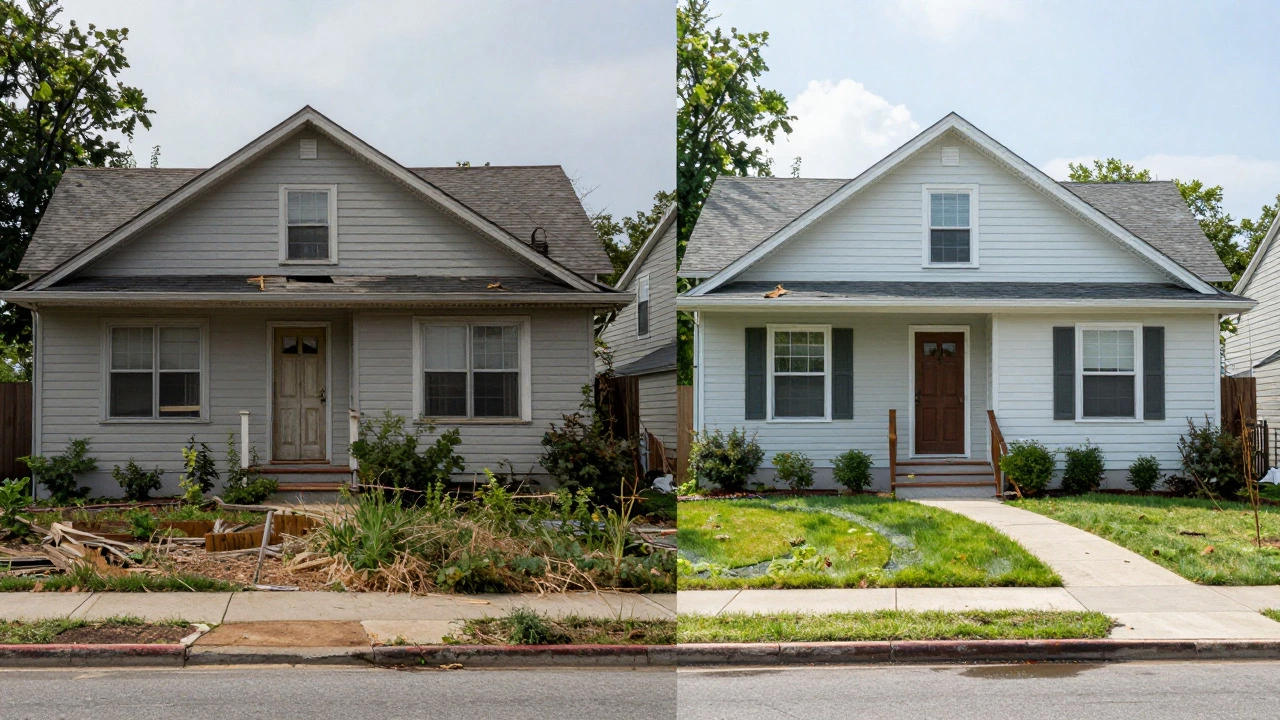
Without Repair
With Proper Repair
Expert Recommendation
Key Factors Considered
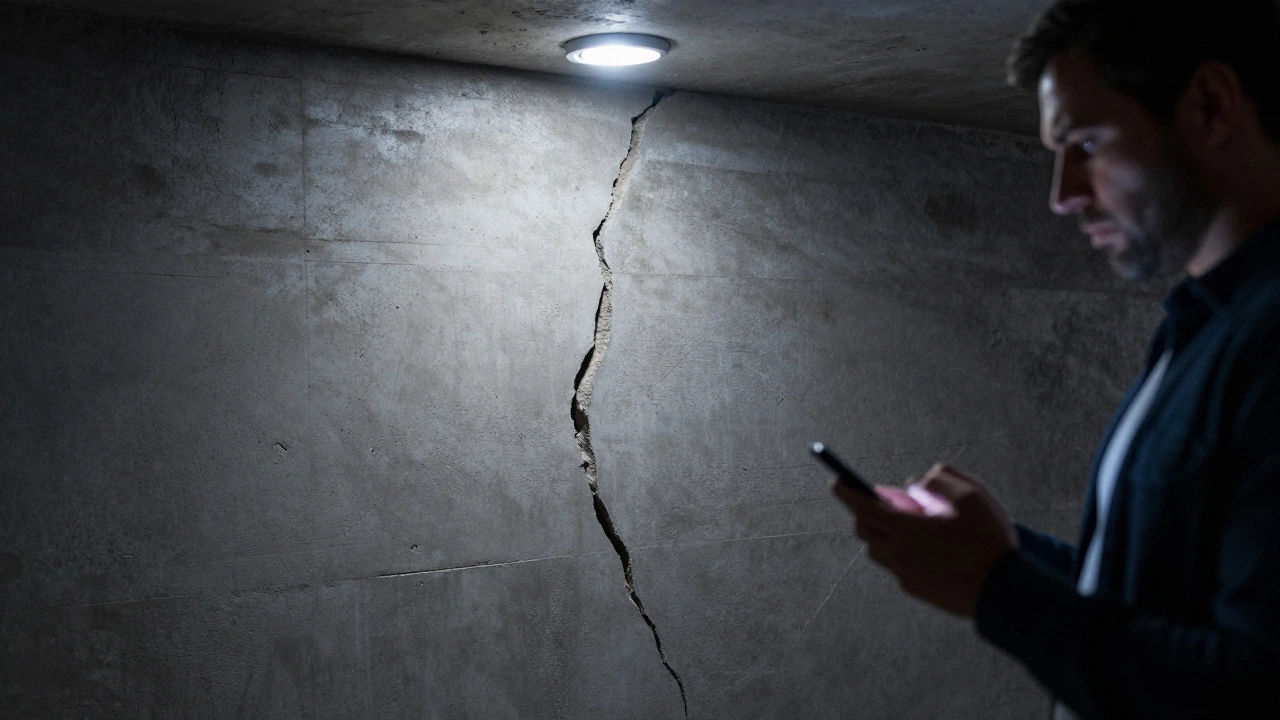
You just got the call. Your contractor found a crack in your basement wall or noticed your doors sticking in their frames. The diagnosis is clear: you need foundation repair. But before you sign that check for thousands of dollars, a nagging question pops into your head. If I spend this money now, am I throwing it away? Will fixing my foundation actually decrease my home value when I try to sell it later?
The short answer is no. In fact, doing nothing is what destroys value. However, the long answer involves understanding how appraisers work, what buyers fear most, and how to document the job so it counts as an asset rather than a red flag. Let’s break down the economics of structural repairs so you can make a decision that protects your wallet.
The Myth of the "Stigma" on Repaired Homes
There is a persistent rumor in real estate circles that a house with a repaired foundation carries a permanent stigma. Some sellers worry that listing agents will hide the history, while others fear buyers will assume the worst. Here is the reality: a repaired foundation is generally viewed more favorably than an unrepaired one, provided the repair was done correctly.
Think of it like changing the transmission in your car. If you tell a buyer, "This car has a new transmission," they don’t run away screaming. They breathe a sigh of relief knowing they won’t be paying for that repair next month. A properly executed foundation stabilization project removes the uncertainty from the equation. Buyers are risk-averse. They hate unknowns. An open secret about a cracked slab is scarier than a documented repair certificate.
However, context matters. If your home has had multiple rounds of repairs over ten years, that suggests ongoing soil issues. That is different from a single, comprehensive fix after a dry spell or a plumbing leak. One-time repairs usually neutralize the issue. Chronic movement raises eyebrows. We will look at how to distinguish between the two later.
How Appraisers View Structural Work
To understand if your home value decreases, you have to understand who determines that value. It’s not just you and the buyer agreeing on a price; it’s the appraiser hired by the bank. Appraisers use the Sales Comparison Approach. They look at recent sales of similar homes in your neighborhood.
If comparable homes (comps) have solid foundations and yours does too-thanks to your repair-the appraiser treats them equally. You haven’t lost value because you spent money; you’ve maintained parity with the market. If you hadn’t repaired it, the appraiser might deduct the cost of repair from the appraised value, effectively lowering your home’s worth by $10,000 or more depending on the severity.
Jasper Winthrop has seen many cases where homeowners assumed their property was "damaged goods." In Auckland and across New Zealand, where clay soils shift frequently due to weather patterns, foundation movement is common. When you repair the structure, you are restoring the home to its functional baseline. You aren’t adding square footage or installing a pool, so you might not see a dollar-for-dollar return on investment (ROI). But you are preventing a massive deduction.
| Foundation Status | Appraisal Impact | Buyer Perception |
|---|---|---|
| Unrepaired, Minor Cracks | Potential deduction for repair costs | Moderate concern; may request inspection |
| Unrepaired, Major Settlement | Significant value reduction; possible uninsurability | High fear; often walks away |
| Repaired, Documented | No deduction; values match comps | Relief; sees it as maintenance completed |
| Repaired, Poorly Done | Variable; may trigger further inspections | Suspicion; requires engineer review |
When Repair Might Seem to Lower Value
So why do people think foundation repair decreases home value? There are three specific scenarios where this perception holds water. Recognizing these traps can save you from making mistakes.
1. Over-Investment in Low-Value Markets
If you live in a modest starter home worth $400,000 and you spend $80,000 on extensive underpinning, you might feel like you’re losing money. This isn’t because the repair decreased value; it’s because of the law of diminishing returns. No buyer will pay extra for a foundation that cost more than the house itself. The goal is to bring the home up to code and safety standards, not to turn it into a luxury fortress. Stick to standard solutions like helical piers or slabjacking unless an engineer specifies otherwise.
2. Cosmetic vs. Structural Confusion
Sometimes, contractors recommend repairs for cosmetic cracks that don’t affect structural integrity. If you pay for major excavation to fix a hairline crack in the drywall, you’ve wasted money. This doesn’t lower your home’s value directly, but it lowers your net equity because you spent cash without increasing the asset’s worth. Always get a second opinion from a licensed structural engineer, not just a contractor who sells repairs.
3. Disclosure Backlash
In some regions, disclosure laws require you to list past repairs. While honesty is legally required, some buyers panic at the words "foundation work." This is a negotiation hurdle, not a value killer. A skilled agent can frame the repair as a benefit: "The seller already solved the biggest problem in the house." If the repair looks messy or amateurish, however, it can spook buyers. Professionalism in execution matters.

The Cost of Doing Nothing
Let’s flip the script. What happens to your home value if you ignore the foundation issues? The decay is rarely linear; it accelerates. A small crack lets in water. Water erodes soil. Soil erosion causes more settling. More settling breaks pipes. Broken pipes flood basements. Flooded basements grow mold.
Mold and water damage are far harder to sell than a foundation issue. Insurance companies may deny claims for pre-existing structural defects. Banks may refuse mortgages for homes with significant settlement. If a home becomes unsellable via conventional financing, your pool of buyers shrinks to cash-only investors who will lowball you by 20-30%. That is a guaranteed decrease in home value.
Furthermore, deferred maintenance affects curb appeal. Doors that don’t close and windows that rattle signal neglect. Buyers assume that if you ignored the foundation, you also ignored the roof, the HVAC, and the electrical system. The psychological impact on perceived value is severe.
Maximizing ROI: How to Protect Your Investment
If you decide to proceed with repairs, follow these steps to ensure your home value remains stable or increases relative to competitors.
- Hire a Structural Engineer First: Don’t let a contractor diagnose the problem. Pay a few hundred dollars for an independent engineer’s report. They will tell you exactly what needs fixing and what doesn’t. This report becomes part of your home’s permanent records.
- Choose Reputable Contractors: Look for companies with warranties that transfer to new owners. A lifetime transferable warranty is a powerful selling point. It tells the next buyer, "You are covered." Brands like Helix or EarthContact Systems often provide these warranties.
- Document Everything: Keep photos of the before, during, and after. Save all invoices and permits. Create a "Home Maintenance File" that you hand over to the buyer during closing. Transparency builds trust.
- Address Root Causes: Fixing the foundation is only half the battle. If poor drainage caused the issue, install gutters, extend downspouts, and grade your yard away from the house. If you don’t fix the water, the problem will come back, and your value will drop again.
- Consider Interior Finishing: If the repair exposed ugly concrete or steel beams in your basement, consider finishing that space. Turning a raw, repaired area into a livable room adds square footage and aesthetic value, offsetting the cost of the repair.
Regional Considerations: Auckland and Clay Soils
Living in Auckland, we deal with volcanic and clay soils that expand when wet and shrink when dry. This cycle puts immense pressure on foundations. In our climate, foundation movement is almost expected over decades. Local buyers understand this dynamic. They expect older homes to have some history of maintenance.
In areas with expansive clay, such as parts of Texas or California, the scrutiny is higher because the soil conditions are extreme. In Auckland, it’s about managing moisture. Ensure your landscaping directs water away from the foundation. Use permeable paving where possible. These small steps support the structural integrity of your home and reassure potential buyers that you are proactive about maintenance.
FAQ: Common Questions About Foundation Repair and Value
Does a foundation repair show up on title search?
Generally, no. Foundation repairs are considered maintenance, not liens or legal encumbrances, unless there was a lawsuit involved. However, they should appear in the seller's disclosure statement. If permits were pulled, they might be visible in municipal records, which savvy buyers sometimes check.
Will my home insurance premiums go up after foundation repair?
Usually, no. Standard home insurance policies often exclude ground movement anyway. However, having a repaired foundation might make your home easier to insure because it reduces the risk of secondary damages like burst pipes or mold. Some insurers offer discounts for updated systems, but foundation work itself rarely triggers a premium hike.
How much does foundation repair add to home value?
It typically adds 0% to your market value directly, but it prevents a loss of 5-10% or more. Think of it as preserving value rather than increasing it. By keeping your home competitive with neighbors who have sound structures, you maintain your resale price. In some cases, if the repair includes basement waterproofing or finishing, you may see a modest increase in livable square footage value.
Should I disclose foundation repairs to buyers?
Yes, always. Hiding known defects can lead to lawsuits and rescinded offers after the sale. Disclosing the repair along with documentation shows transparency. Frame it positively: "Major structural maintenance completed in [Year] with a transferable warranty." This turns a potential negative into a proof of care.
Is it better to sell as-is or repair first?
Repair first if the issue is structural and significant. Selling as-is limits your buyer pool to investors and cash buyers who will demand steep discounts. For minor cosmetic cracks, you can sell as-is and credit the buyer for repairs. Get an engineer’s opinion to determine the severity before deciding.
Next Steps for Homeowners
If you suspect foundation issues, don’t panic. Start with a visual inspection. Look for diagonal cracks in drywall, doors that stick, and gaps around window frames. If you find these signs, hire a structural engineer for an assessment. Avoid contractors who promise immediate fixes without a diagnosis.
Once you have a plan, obtain multiple quotes. Compare not just the price, but the warranty terms and the materials used. Ask specifically about transferable warranties. Finally, keep every piece of paper. Your future self-and your future buyer-will thank you for the organization. Remember, a solid foundation is the backbone of your home’s value. Protecting it is never a waste of money.