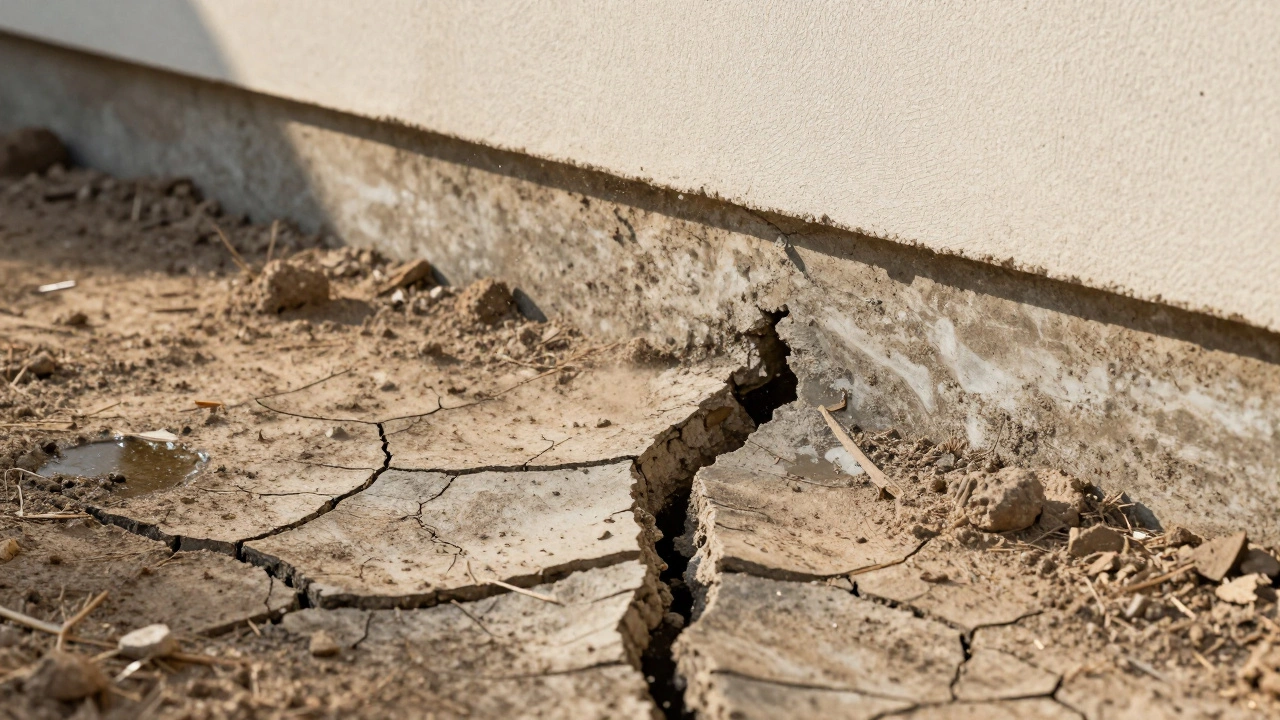
Foundations hold up your whole house. When they crack, sink, or shift, it’s not just a repair problem-it’s a safety issue. And if you’re staring at a crooked door or a wall that’s splitting, you’re probably wondering: does house insurance cover foundation issues? The answer isn’t simple. Most policies won’t pay out for foundation problems unless they’re caused by something sudden and covered. That’s where people get caught off guard.
What Most Home Insurance Policies Cover
Standard home insurance in New Zealand, like those from Tower, Vero, or AA, typically covers damage from sudden, accidental events. That means if a tree falls on your house during a storm and crushes part of your foundation, your insurer will likely help. Same if a burst pipe floods your crawl space and weakens the footings. These are covered perils: storms, fires, lightning, vandalism, or water damage from sudden plumbing failures.But here’s the catch: insurance doesn’t cover wear and tear. If your foundation cracked because the soil dried out over three summers, or because the house settled unevenly over 20 years, that’s considered gradual damage. It’s not sudden. It’s not accidental. It’s just old age.
Why Foundation Damage Usually Isn’t Covered
Most foundation problems come from slow, ongoing issues. Think of it like a cavity in your tooth. You don’t wake up one day with a hole-you notice it slowly. Same with foundations. Common causes include:- Soil expansion and contraction from wet-dry cycles (common in Auckland’s clay soils)
- Poor drainage around the house leading to water buildup
- Tree roots growing under the slab
- Original construction flaws
- Subsidence from underground erosion
These aren’t accidents. They’re maintenance issues. Insurers see them as preventable. If you’ve ignored a leaking gutter for five years and now your foundation is tilting, they’re not going to pay to fix it. That’s why many homeowners are shocked when their claim gets denied.
When Foundation Damage Is Covered
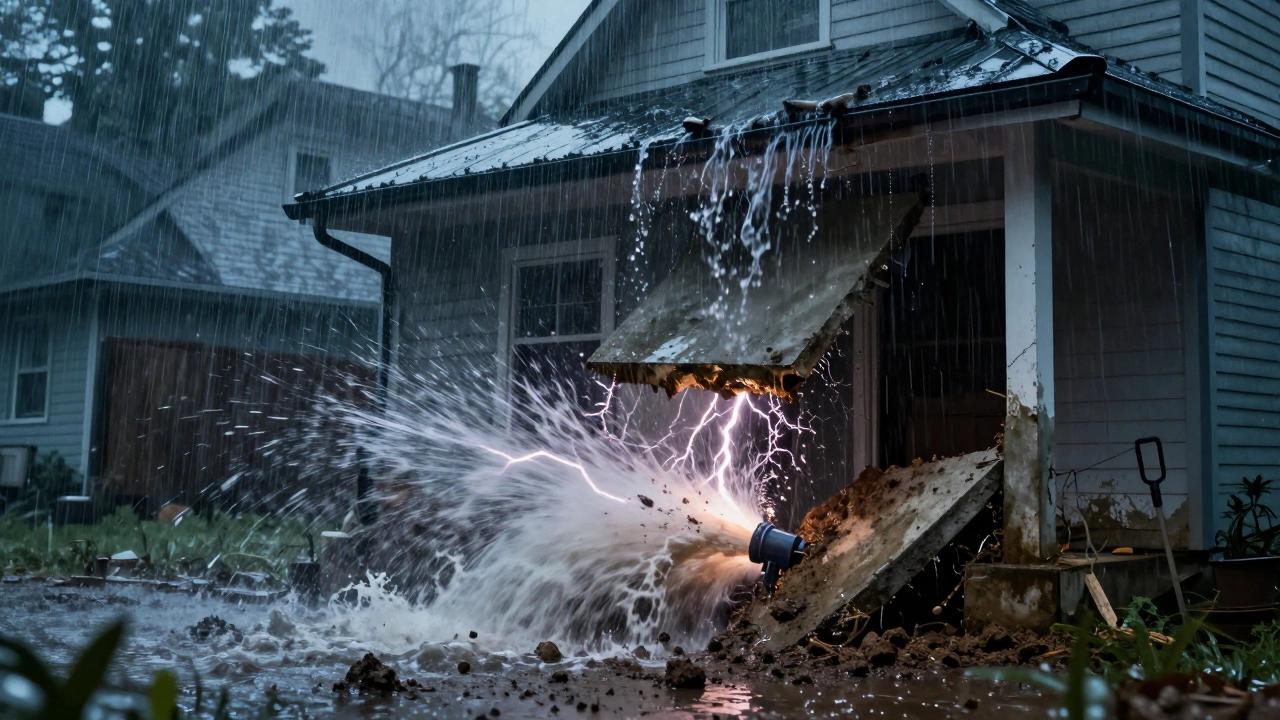
There are exceptions. If your foundation damage is caused by a covered event, you’re in luck. Here are real examples:- A storm causes a landslide that pushes your house sideways-covered.
- A water main bursts under your street and floods your basement, washing away soil under the footing-covered.
- A fire in your garage burns through floor joists and causes the foundation to sink-covered.
- Someone hits your house with a vehicle and cracks the concrete slab-covered.
In these cases, the foundation damage is a result of the covered event, not the root cause. You’ll need documentation-photos, engineer reports, weather records-to prove the link. Don’t assume the insurance company will connect the dots for you.
What You Should Do If You Spot Foundation Problems
If you notice signs like:- Cracks wider than 5mm in walls or floors
- Doors or windows that stick or won’t close
- Uneven floors, especially near the center of the house
- Gaps between walls and ceilings
- Separation of brickwork or chimney from the main structure
Don’t wait. Get a professional inspection. A structural engineer can tell you if it’s cosmetic or serious. They’ll also write a report that’s worth its weight in gold if you need to make an insurance claim.
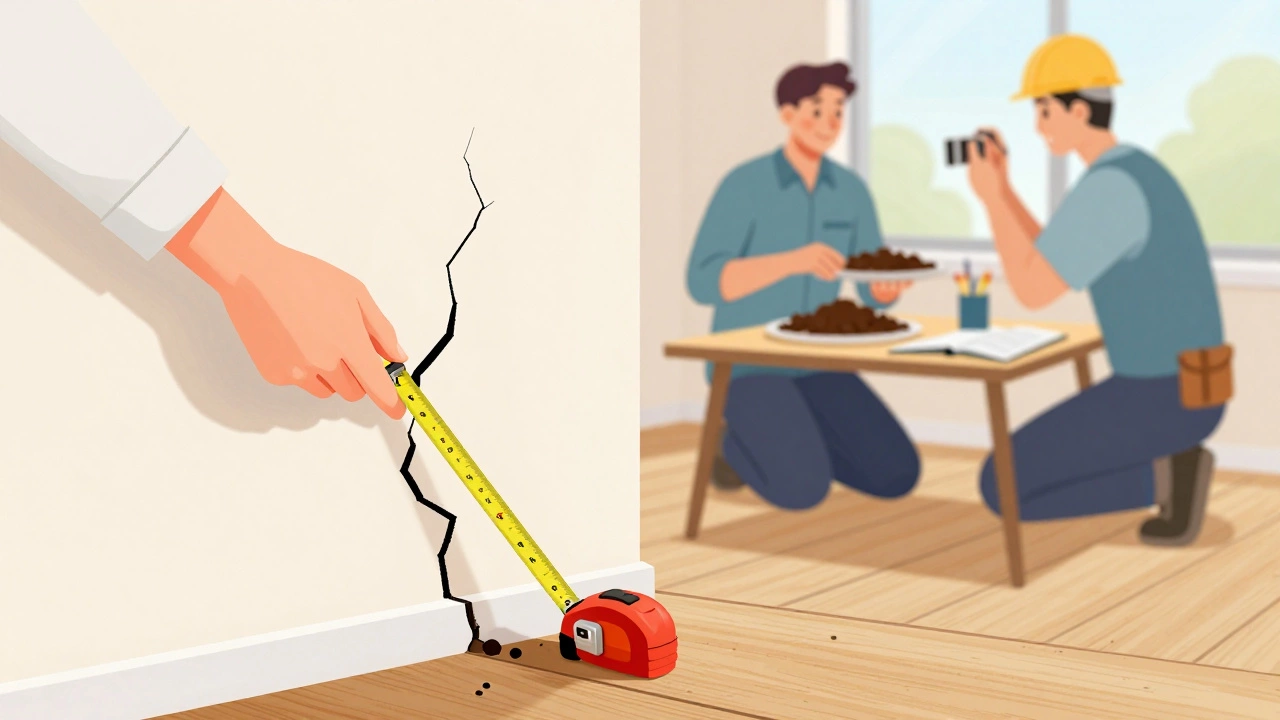
Take photos. Keep a log. Note when the cracks appeared and if they’ve grown. Save receipts for any repairs you’ve done to gutters, downpipes, or drainage-even if you think it’s unrelated. These help prove you’ve maintained the property.
What Insurance Won’t Tell You
Most policies have exclusions buried in the fine print. Look for these:- “Gradual damage” exclusion
- “Settlement or subsidence” exclusion
- “Earth movement” exclusion (unless caused by a covered event)
Some insurers offer optional cover for subsidence or earth movement, but it’s rare and expensive. You’ll pay extra premiums, and even then, they might only cover damage caused by specific triggers like earthquakes (which have separate cover under EQC in New Zealand).
EQC covers natural disasters like earthquakes, landslides, and volcanic activity-but only up to $100,000 for residential property. It doesn’t cover poor drainage, soil shrinkage, or aging infrastructure. So if your foundation cracked because of a dry summer followed by heavy rain, EQC won’t touch it.
How to Protect Yourself
You can’t insure against every foundation problem-but you can reduce your risk:- Keep gutters and downpipes clear. Water pooling near your foundation is the #1 cause of damage.
- Install proper drainage-French drains, swales, or sloped landscaping away from the house.
- Don’t plant large trees within 3 meters of your foundation. Their roots will find a way in.
- Check your foundation annually. Look for new cracks or changes in alignment.
- Consider a home warranty for structural issues if you’re buying an older property.
Some builders offer 10-year structural warranties on new builds. If you’re in an older home, you’re on your own. That’s why regular maintenance isn’t optional-it’s your best insurance.
What to Do If Your Claim Is Denied
If your insurer says no, don’t accept it without a fight. Get a second opinion. Hire an independent structural engineer. If they confirm the damage was caused by a covered event (like a burst pipe or storm), send their report to your insurer with a formal appeal.Also check your policy wording carefully. Sometimes insurers deny claims based on misinterpretation. You might have coverage under “water damage” even if they called it “foundation failure.”
If you’re still stuck, contact the Insurance & Financial Services Ombudsman (IFSO). They handle disputes for free and often side with homeowners when insurers misapply policy terms.
Bottom Line
Most house insurance policies won’t cover foundation damage caused by aging, poor drainage, or soil movement. But they will cover it if it’s the result of a sudden, insured event. Your best defense? Prevention. Keep water away from your foundation. Maintain your drainage. Document everything. And don’t ignore small cracks-they’re warnings, not just blemishes.If you’ve got foundation issues, act fast. The longer you wait, the more expensive it gets-and the less likely your insurer is to help.
Does house insurance cover foundation cracks?
House insurance only covers foundation cracks if they’re caused by a sudden, covered event like a storm, fire, or burst pipe. Cracks from gradual settling, soil movement, or poor drainage are almost always excluded. You’ll need an engineer’s report to prove the cause if you’re making a claim.
Will EQC cover foundation damage in New Zealand?
EQC only covers foundation damage caused by natural disasters like earthquakes, landslides, or volcanic activity. It doesn’t cover damage from soil shrinkage, tree roots, poor drainage, or general wear and tear. Even if your foundation shifted after heavy rain, EQC won’t pay unless it was triggered by a covered natural event.
How much does foundation repair cost in New Zealand?
Foundation repair costs vary widely. Minor crack repairs start around $2,000-$5,000. Underpinning or slab jacking for moderate damage can cost $15,000-$40,000. Major structural repairs, especially in older homes, can exceed $70,000. Insurance rarely covers these unless triggered by a covered event.
Can I get extra insurance for foundation issues?
Some insurers offer optional cover for subsidence or earth movement, but it’s uncommon and expensive. Most standard policies exclude it outright. Instead of paying extra premiums, focus on prevention: proper drainage, regular inspections, and maintenance. These are far more cost-effective than insurance riders.
What should I do if I notice a new crack in my foundation?
Take photos, measure the crack, and monitor it over time. If it’s wider than 5mm or growing, get a structural engineer to assess it. Don’t attempt DIY fixes. If the crack is linked to a recent storm or plumbing leak, contact your insurer immediately with evidence. Delaying could make the damage look like gradual wear and tear.
Next Steps
If you’re worried about your foundation:- Review your insurance policy’s fine print-look for exclusions around “settlement,” “subsidence,” and “gradual damage.”
- Book a drainage inspection. Many foundation problems start with water.
- Get a professional assessment if you’ve seen new cracks or uneven floors.
- Start a maintenance log. It’s your proof you’ve tried to prevent damage.
Foundation issues don’t fix themselves. And insurance won’t fix them unless you’ve been proactive. The best time to act is before the crack becomes a canyon.