Wall Decor Visualizer & Planner
Stop guessing how to arrange your frames. Select your space and style to get a tailored layout recommendation and pro tips.
Clean, formal, minimalist
Eclectic, cozy, creative
Modern, sleek, simple
Dynamic, organic, bold
Recommended Strategy
Description will appear here.
Pro Tips for This Space
- Loading tips...
💡 Quick Rule: Keep the total width of your arrangement roughly 2/3 the width of the furniture below it for perfect proportion.
You walk into the living room and feel it immediately. The space feels flat. The walls are just... there. White paint is fine for resale value, but it’s not exactly exciting. If you’ve been staring at that blank expanse wondering how to make it pop without knocking down drywall or hiring a contractor, you’re in the right place.
Fixing a boring wall isn’t about throwing money at expensive art pieces. It’s about texture, layering, and breaking up the monotony of a flat surface. Whether you’re renting or owning, there are dozens of ways to add depth and personality to your space. Let’s look at what actually works, based on what designers do when they need to save a room from looking sterile.
The Power of Texture and Layering
Most people think "wall decor" means hanging one big picture frame in the center. That’s usually why the wall still looks boring. A single object gets lost on a large surface. The secret weapon here is layering. You want to create visual interest by combining different materials and depths.
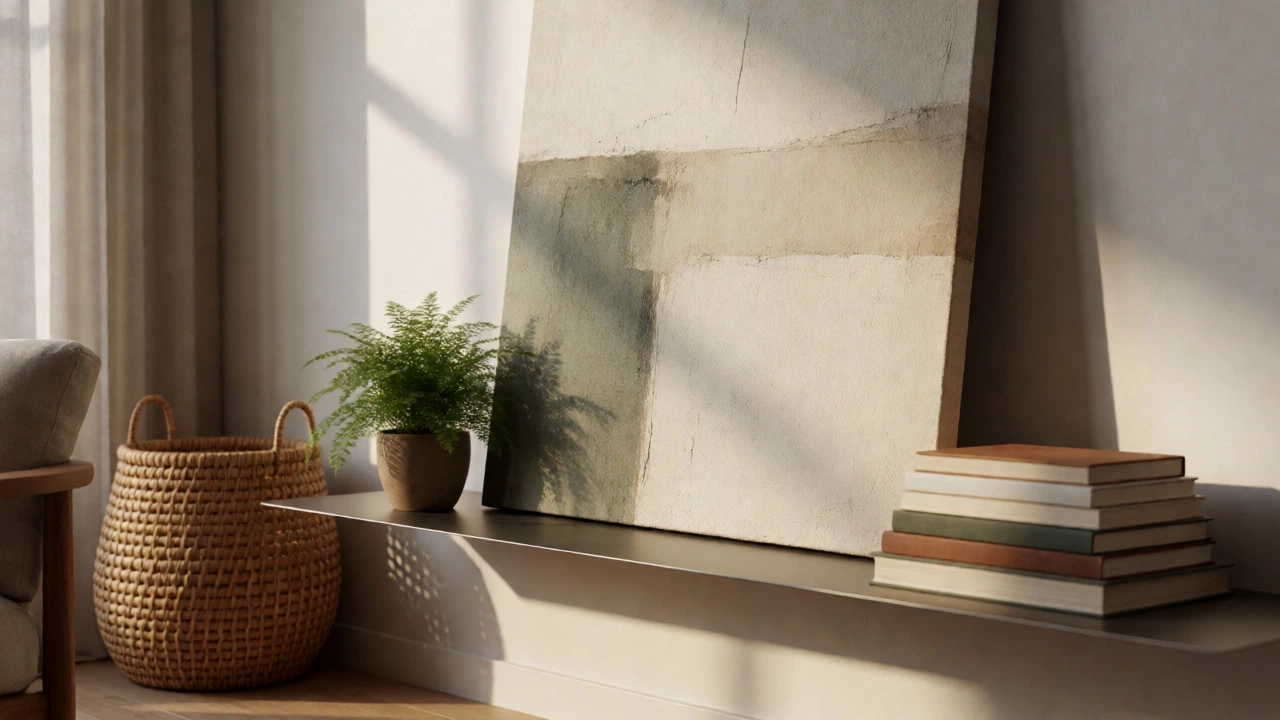
Start with a base layer. This could be a large piece of art, a tapestry, or even a fabric backdrop. Then, lean smaller items against it or hang them slightly offset. For example, if you have a large canvas print, don’t just hang it flush. Place a small floating shelf underneath it and put a plant or a stack of books on the shelf. Now you have three dimensions instead of two.
Texture plays a huge role here. Smooth drywall reflects light evenly, which can make a room feel cold. Adding rough textures like wood, woven baskets, or metal creates shadows and highlights as the sun moves across the room. In Auckland, where natural light changes dramatically throughout the day, playing with these shadows can transform a dull corner into a dynamic focal point.
Gallery Walls Done Right
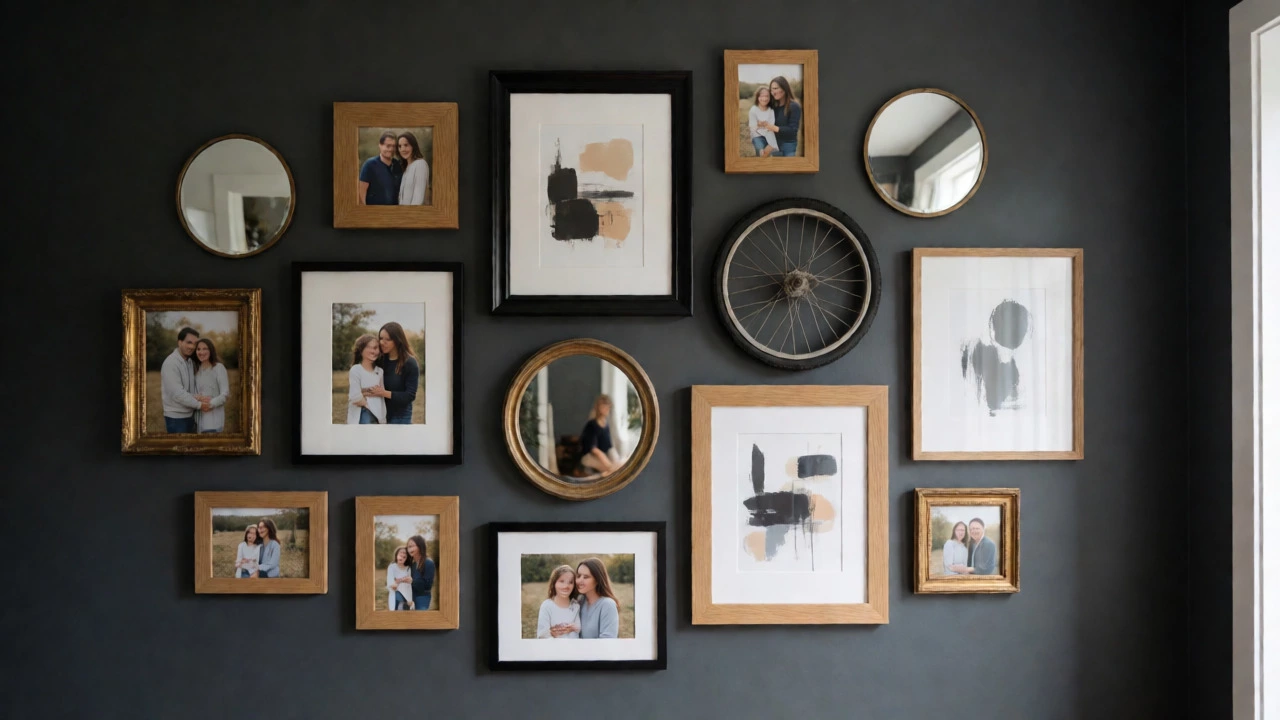
A gallery wall is the classic solution, but most people mess it up by making it too perfect. Symmetrical grids are neat, but they can also look corporate. To jazz things up, go asymmetric. Mix frame sizes, shapes, and even colors.
Here’s a practical rule of thumb: keep the spacing between frames consistent (about 2-3 inches), but vary the artwork inside. Combine family photos with abstract prints, quotes, or even small mirrors. Mirrors are particularly effective because they bounce light around the room, making small spaces feel larger.
| Style | Best For | Effort Level |
|---|---|---|
| Symmetrical Grid | Formal dining rooms, minimalist homes | Low (easy to plan) |
| Salon Style | Eclectic living rooms, creative studios | Medium (requires balancing) |
| Linear Row | Hallways, above sofas | Low (quick impact) |
| Clustered Group | Small nooks, entryways | High (trial and error) |
If you’re nervous about drilling holes, try laying out your arrangement on the floor first. Take a photo, then transfer it to the wall using painter’s tape. This prevents those dreaded "oops" moments where you realize your layout looks lopsided after the first hole is drilled.
Paint Techniques Beyond Solid Color
You don’t need to repaint the whole house to fix a boring wall. Sometimes, a simple change in technique does the trick. Consider painting an accent wall in a bold color, but don’t stop there. Try adding architectural details.
Wainscoting or beadboard panels are incredibly effective. They add instant character to plain drywall. You can buy pre-made panels or build simple trim boxes yourself. Paint them a contrasting color to the rest of the room. This breaks up the vertical height of the wall and adds a sense of craftsmanship.
Another trend gaining traction is the use of limewash or textured paints. Unlike standard latex paint, which sits flat on the surface, limewash has a matte, cloudy finish that adds subtle movement to the wall. It hides imperfections well and gives older homes a charming, aged look. In humid climates, ensure you use breathable products to prevent moisture trapping behind the paint layer.
Functional Decor: Shelves and Storage
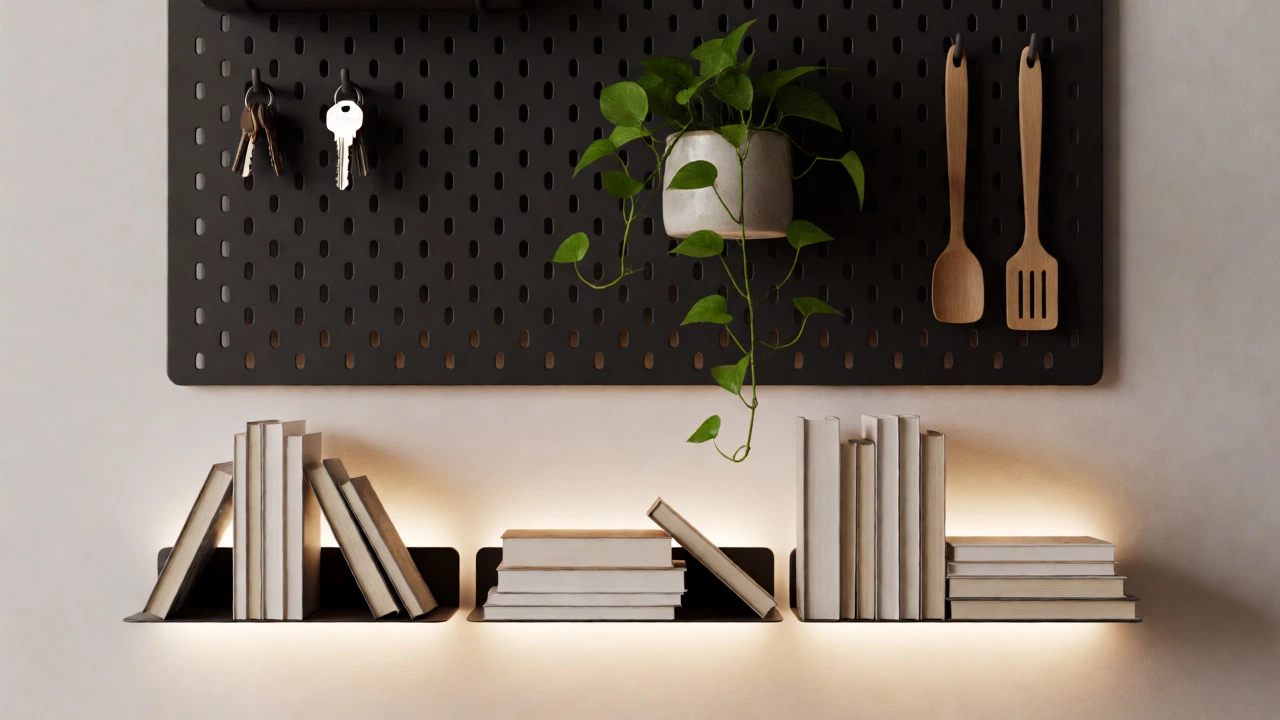
Why let your walls just sit there? Turn them into functional storage. Floating shelves are a staple for a reason-they disappear visually while holding weight. But to avoid the "IKEA showroom" look, style them intentionally.
Don’t line everything up in a straight row. Create triangles. Place a tall bookend on one side, a medium-sized plant in the middle, and a small decorative object on the other. This creates a visual flow. Also, mix horizontal and vertical stacks of books. It looks more curated and less like a library archive.
Consider installing pegboards. Originally designed for workshops, pegboards are now a chic way to organize kitchens, offices, or entryways. You can hang keys, utensils, plants, or tools directly on the wall. It’s highly customizable and easy to rearrange as your needs change. Plus, it adds industrial texture that contrasts nicely with softer home furnishings.
Statement Pieces and Unexpected Objects
Sometimes, all a wall needs is one unexpected element. Think outside the traditional "art frame." What about a vintage bicycle wheel mounted on the wall? Or a collection of antique plates arranged in a circle? These objects tell a story and spark conversation.
Large-scale botanicals are another great option. Instead of buying a generic fern print, consider mounting real preserved moss or dried palm fronds. They bring organic life indoors without requiring water or sunlight. This works especially well in bathrooms or low-light corners where live plants struggle.
Textiles are underrated. A beautiful rug doesn’t have to stay on the floor. Hang it as a tapestry. It adds warmth, absorbs sound, and covers large areas quickly. Look for rugs with interesting patterns or cultural significance. This instantly elevates the sophistication of the room without costing as much as commissioned artwork.
Lighting as Art
We often forget that lighting fixtures are part of the wall decor. A boring wall can come alive with the right sconces or pendant lights. Sconces mounted at eye level draw attention upward and create ambient glow rather than harsh overhead glare.
Try installing LED strip lights behind a headboard or under floating shelves. This indirect lighting creates a halo effect that makes the wall appear to float. It’s a cheap upgrade-often under $50 for the kit-that dramatically changes the mood of the room in the evening.
Quick Checklist for Your Makeover
- Assess the Light: Does the wall get direct sun? Choose fade-resistant art or fabrics if so.
- Mix Heights: Don’t hang everything at eye level. Use high and low placements to guide the eye.
- Add Depth: Incorporate at least one 3D element (shelf, basket, mirror).
- Keep Cohesion: Stick to 2-3 main colors or materials to avoid chaos.
- Leave Breathing Room: Empty space is powerful. Don’t fill every inch.
Transforming a wall art display is about intentionality. It’s not about filling space; it’s about curating experience. Start small. Pick one wall. Experiment with layers. Before you know it, that boring expanse will become the favorite spot in your home.
How do I hang heavy art on drywall without studs?
Use toggle bolts or specialized drywall anchors rated for the weight of your piece. Always check the packaging for weight limits. For very heavy items (over 20kg), it’s safer to find a stud or install a French cleat system anchored into multiple studs.
What is the best height to hang wall art?
The center of the artwork should be approximately 145cm (57 inches) from the floor. This is the standard museum height and aligns with average eye level. Adjust higher only if hanging above furniture, leaving about 15-20cm of gap between the top of the furniture and the bottom of the art.
Can I renter-friendly alternatives to drilling holes?
Yes. Command strips work for lightweight frames (up to 3kg). For heavier items, consider leaning large canvases against the wall on a console table. You can also use adhesive hooks or tension rods for curtains or fabrics. Always test adhesives on a hidden spot first to ensure they don’t peel paint.
How many pieces should be in a gallery wall?
There is no magic number. Focus on balance rather than quantity. An odd number of pieces often looks more dynamic than an even number. Ensure the total width of the arrangement is roughly two-thirds the width of the furniture below it (like a sofa or bed) for proportional harmony.
Does wallpaper really help a boring wall?
Absolutely. Wallpaper adds pattern, texture, and color coverage that paint cannot match. Peel-and-stick options are great for renters or temporary updates. Choose a feature wall to avoid overwhelming the room. Pair busy wallpapers with solid-colored furniture to maintain visual balance.