Bathroom Renovation Budget Calculator
Estimate Your Bathroom Renovation Cost
Results
Selected items:
Estimated total:
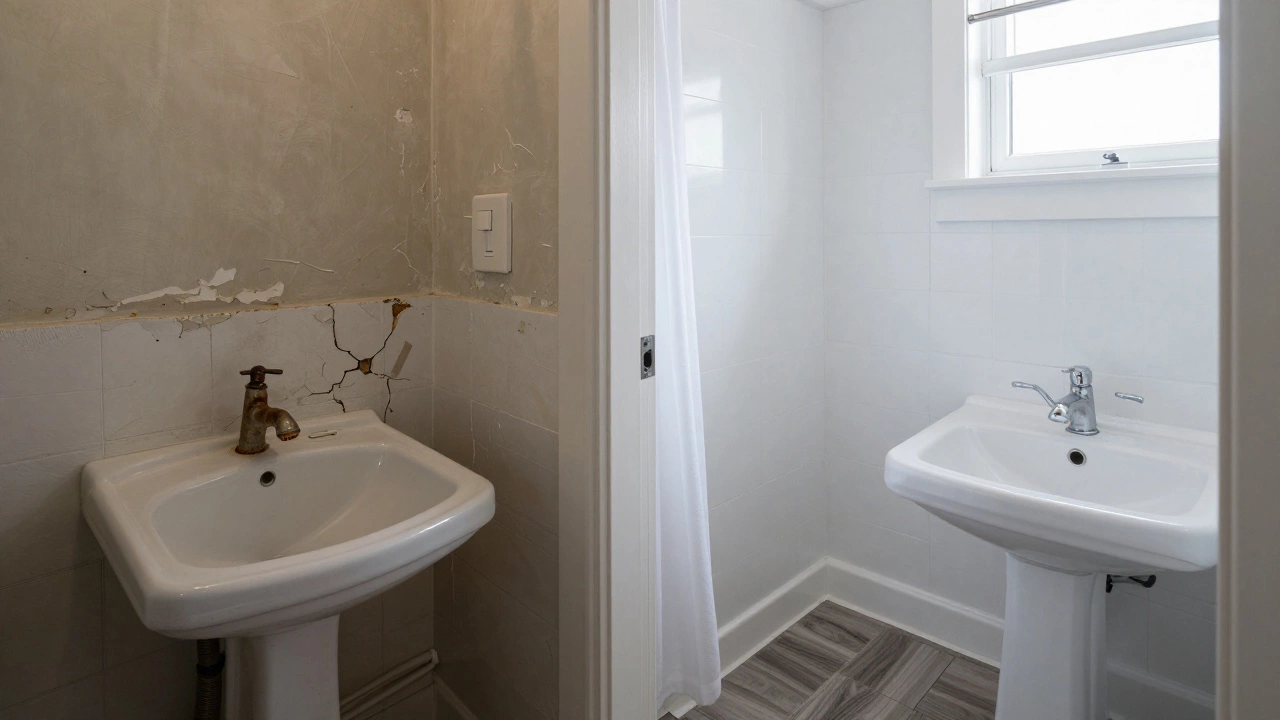
Renovating a bathroom doesn’t have to cost thousands. You don’t need to rip out walls, replace every pipe, or hire a contractor to get a bathroom that looks fresh and works better. Many people think a bathroom remodel means starting from scratch-but that’s not true. With the right approach, you can transform your bathroom for under $1,500, sometimes even under $1,000. The key isn’t spending more. It’s spending smarter.
Start with a clear plan
Before you buy a single tile or towel bar, sketch out what you actually want to change. Write down three things: what’s broken, what’s ugly, and what’s annoying. Maybe your shower curtain rod is rusted. Maybe the vanity is wobbly. Maybe the lighting makes your face look gray. Those are your priorities.
Don’t try to fix everything at once. Focus on the top three issues. A cracked grout line? Re-grout it. Flickering light? Swap the bulb and fixture. Outdated faucet? Replace it. You’d be surprised how much a new faucet and fresh caulk can change the feel of a room.
Measure everything. Know the exact size of your sink, toilet, and shower. You don’t want to buy a new vanity that’s two inches too wide. Take photos. Use your phone’s grid feature to line up edges. This saves time and avoids costly returns.
Paint is your cheapest upgrade
Painting is the single most cost-effective way to refresh a bathroom. A fresh coat of paint can hide stains, brighten dark corners, and make old tiles look intentional. Use a high-quality bathroom paint with mildew resistance-brands like Sherwin-Williams Duration or Benjamin Moore Aura Bath & Spa work well.
Here’s the trick: paint the walls, ceiling, and even the trim the same color. It creates a clean, spa-like look. White, light gray, or soft blue are safe bets. Avoid dark colors unless you have a huge window or bright LED lighting. Dark bathrooms feel smaller and dingy.
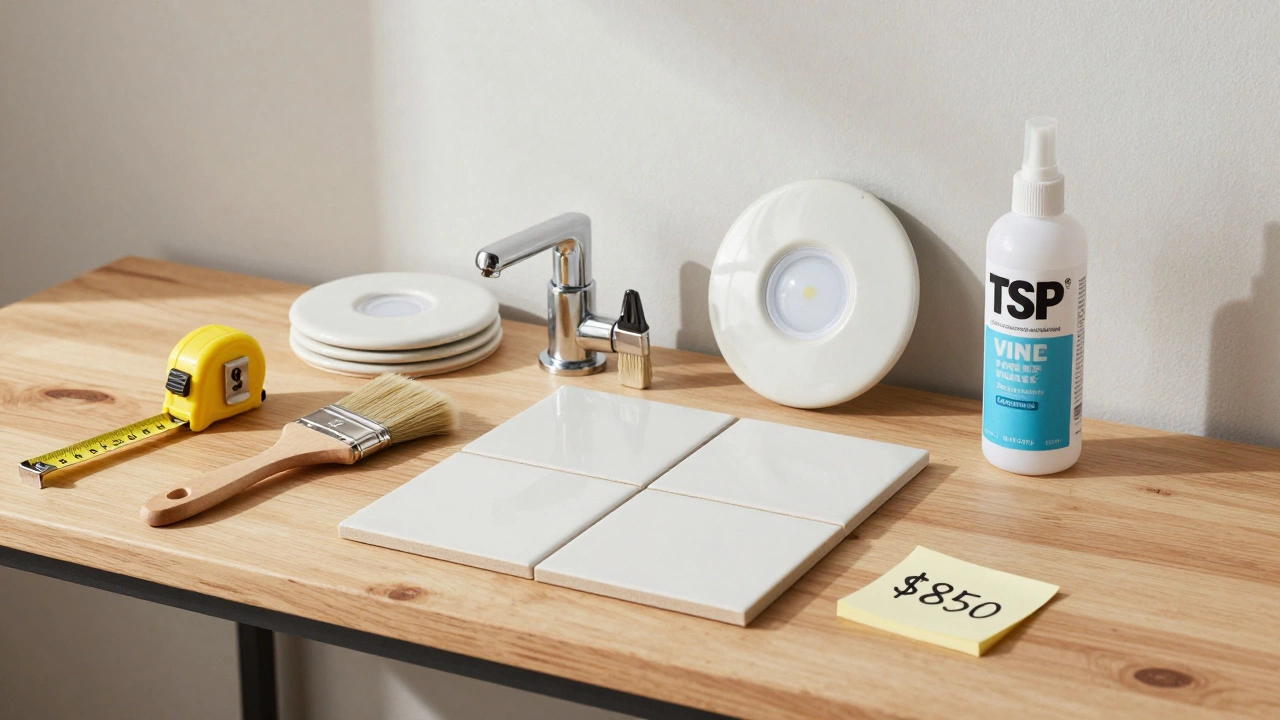
Don’t skip prep. Clean walls with TSP (trisodium phosphate) to remove soap scum and grease. Fill nail holes and cracks with spackle. Sand lightly. Prime if you’re painting over dark colors or water stains. A good prep job makes the paint last longer and look professional.
Swap out fixtures-no plumbing skills needed
You don’t need to be a plumber to replace a faucet, showerhead, or toilet handle. Most modern fixtures are designed for DIY. Look for ones labeled “standard 4-inch center” or “universal fit.”
A new faucet under $80 can make your sink look like it’s from a design magazine. Look for models with ceramic disc valves-they don’t drip. A rainfall showerhead costs $40-$70 and turns a basic shower into a relaxing experience. Even a new toilet flapper or fill valve (under $10) can fix a running toilet and save water.
Remove old fixtures carefully. Turn off the water. Drain the lines. Use plumber’s tape on threads to prevent leaks. Don’t over-tighten. Hand-tighten first, then give a quarter-turn with pliers. Check for leaks after 24 hours.
Reuse what you can
That old vanity? Sand it, paint it, and add new hardware. A $15 set of drawer pulls can make a 20-year-old cabinet look modern. Replace the sink faucet and mirror, and you’ve got a whole new look.
Tile? If it’s in good shape, clean it with a mixture of baking soda and vinegar. Scrub grout with an old toothbrush. Seal it with a grout sealer ($15) to prevent mold. You can even paint tile with epoxy-based tile paint if you’re feeling bold. It works best on floors and walls that don’t get constant direct water spray.
Even your medicine cabinet can get a makeover. Remove the door, sand it, paint it white, and add new hinges. Or replace the mirror with a peel-and-stick adhesive mirror from IKEA or Amazon. They’re thin, lightweight, and easy to install.
Choose budget-friendly materials
Not all materials are created equal. You don’t need natural stone or custom cabinetry to look good.
- Countertops: Laminate is still the most affordable. Look for quartz-look laminates-they mimic real stone at 1/10 the price. Or use a countertop refinishing kit ($50-$100) to renew chipped Formica.
- Flooring: Vinyl plank flooring (LVP) is waterproof, easy to install, and costs $1-$3 per square foot. Peel-and-stick tiles are even cheaper but less durable. Avoid ceramic tile unless you’re experienced-it’s expensive and hard to cut.
- Lighting: LED vanity lights are affordable now. Look for 12-18 inch models with 3000K color temperature for warm, flattering light. Avoid fluorescent bulbs-they make skin look sickly.
Shop at Habitat for Humanity ReStore. You can find name-brand sinks, toilets, and lighting for 50-80% off. Local hardware stores often have clearance sections. Check Facebook Marketplace and Craigslist for used bathroom items. People sell perfectly good vanities and mirrors after remodeling.
Do it yourself, but know your limits
DIY saves money-but only if you don’t make mistakes that cost more to fix. You can replace a faucet, install a new mirror, or lay vinyl plank. You should not rewire a circuit, move a drain line, or install a new water heater. Those need a licensed pro.
Watch YouTube tutorials from trusted sources like Home RenoVision DIY or Mike Holmes. Don’t skip safety. Wear goggles when cutting tile. Turn off the main water valve before starting. Use a voltage tester before touching any wires.
Plan for delays. A project that takes 3 days might take 5. Buy extra materials. One extra tile, one extra faucet seal, one extra bottle of caulk. You’ll thank yourself later.
What not to skip
Even on a tight budget, don’t cut corners on these three things:
- Ventilation: A bathroom fan that actually works prevents mold and peeling paint. If your fan is old or noisy, replace it. A quiet, energy-efficient model costs $50-$100 and pays for itself in reduced repair costs.
- Waterproofing: If you’re tiling or installing a new shower base, make sure the subfloor is sealed. Use a liquid membrane like RedGard under tile. Water damage behind walls costs thousands to fix.
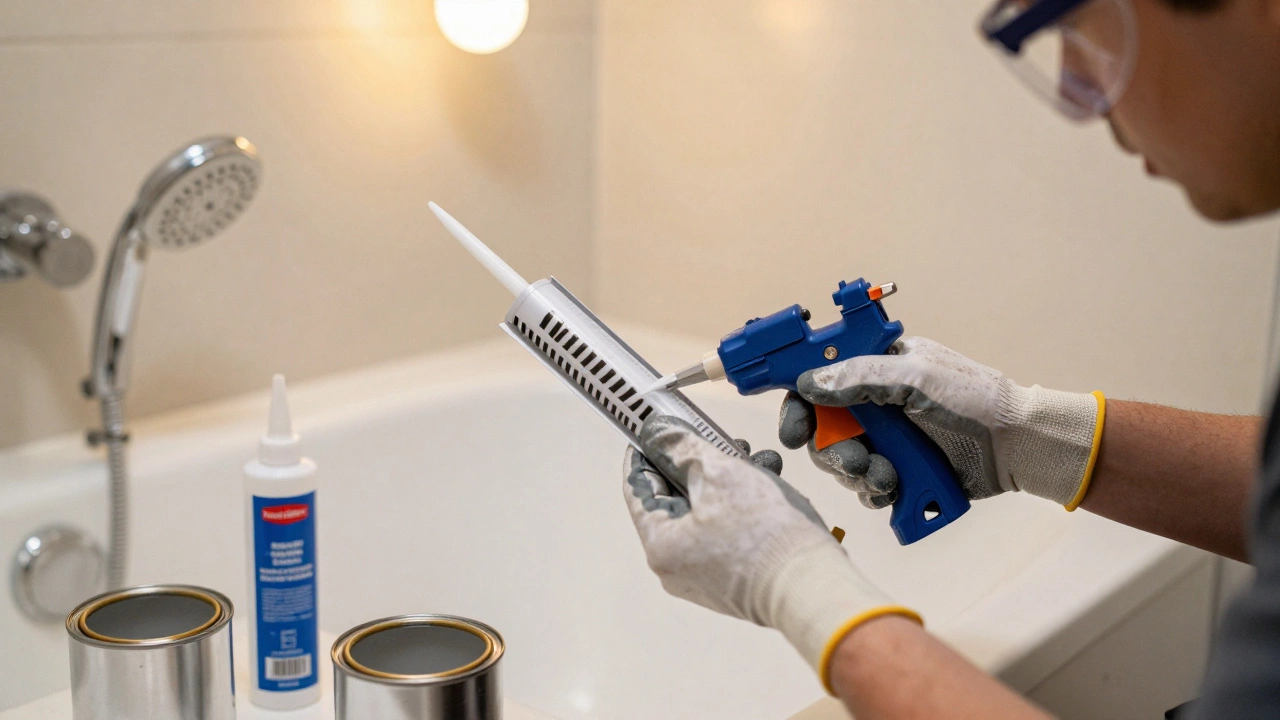
- Grout and caulk: Clean, sealed grout looks new. Fresh caulk around the tub and sink prevents leaks. Use silicone caulk labeled for bathrooms-it’s mold-resistant.
These are the hidden costs of a bad renovation. Skip them, and you’ll be redoing the whole thing in two years.
Real example: $850 bathroom make-over
Here’s what one homeowner did in a 5x7 bathroom:
- Painted walls and ceiling: $60 (paint + supplies)
- Replaced faucet and showerhead: $75
- Installed peel-and-stick vinyl flooring: $180 (120 sq ft)
- New LED vanity light: $45
- Replaced toilet flapper and fill valve: $12
- Re-grouted shower and sealed grout: $30
- New shower curtain, liner, and hooks: $25
- Painted old vanity and added new pulls: $25
- Added floating shelf for storage: $48
- Trash removal: $150 (rented dumpster)
Total: $850. No permits. No contractor. No drywall repair. The result? A clean, bright, functional bathroom that looks like it cost $5,000.
Final tips for saving more
- Shop in the off-season. January and July are slow months for home improvement stores. Sales are common.
- Use cashback apps. Rakuten and Ibotta offer rebates on home goods.
- Buy in bulk. If you’re replacing multiple items, get a set of matching fixtures.
- Ask for leftover materials. Contractors often have extra tile or paint. They’ll give it to you for free.
- Do it in stages. Paint this month. Replace the faucet next month. No need to rush.
Renovating a bathroom on a budget isn’t about being cheap. It’s about being smart. You don’t need the latest trends. You need clean lines, good lighting, and no leaks. Focus on what matters. Skip the rest. Your future self will thank you.
Can I renovate a bathroom for under $1,000?
Yes, absolutely. Many people complete full bathroom makeovers for $800-$1,200 by focusing on paint, fixtures, and DIY flooring. The key is avoiding structural changes like moving plumbing or rewiring. Stick to surface-level upgrades: new faucet, fresh paint, vinyl flooring, and updated lighting. These changes cost little but look expensive.
What’s the cheapest way to update bathroom tiles?
If your tiles are in good condition, clean them with a baking soda and vinegar paste, then reseal the grout. That costs under $20. If the tiles are outdated but still intact, you can paint them with epoxy-based tile paint. It’s durable and comes in white or gray. For a quick fix, install peel-and-stick vinyl tiles over the existing floor or wall tiles. It’s not permanent, but it works for renters or short-term updates.
Do I need a permit to renovate my bathroom?
You usually don’t need a permit for cosmetic changes like painting, replacing fixtures, or installing new flooring. But if you’re moving plumbing, adding a new vent, or changing electrical wiring, you’ll need one. Check with your local building department. Skipping a required permit can cause problems when you sell your home. When in doubt, call your city’s building office-they’ll tell you what’s needed.
What’s the most important thing to fix first in a cheap bathroom remodel?
Fix leaks and moisture problems first. A dripping faucet, running toilet, or moldy grout will ruin new paint, flooring, and fixtures faster than anything else. Address water issues before you start beautifying. Then move on to lighting, then fixtures, then paint. Water damage is expensive. Prevention is cheap.
Is it worth replacing a toilet in a budget renovation?
Only if it’s cracked, leaks, or uses more than 3.5 gallons per flush. Modern low-flow toilets use 1.28 gallons or less. If your toilet works fine, just replace the flapper and fill valve ($10) to fix a running toilet. A new toilet costs $150-$300. That’s a big chunk of a $1,000 budget. Only replace it if it’s broken or inefficient.
Can I use regular paint in a bathroom?
No. Regular paint will peel, bubble, or grow mold in a humid bathroom. Always use paint labeled for bathrooms or kitchens. These have mildewcides and are more washable. Look for satin or eggshell finishes-they’re easier to clean than flat paint and don’t show fingerprints like semi-gloss.