Foundation Repair Cost Estimator
Estimated Repair Scenario
Recommended Method:
Estimated Cost Range (NZD):
Invasiveness Level:
- Slab Jacking $1.5k - $4k
- Helical Piers $8k - $25k+
- Push Piers $10k - $30k+
- Wall Anchors $3k - $7k ea.
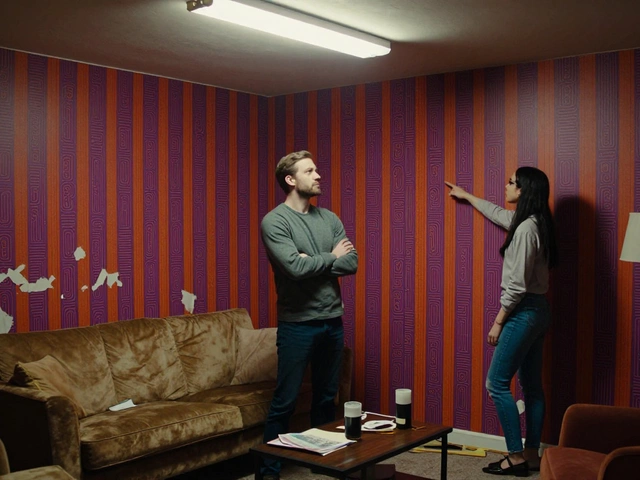
Imagine walking into your living room and noticing a crack in the drywall that wasn't there last month. You check the floor, and it feels slightly uneven under your feet. Your mind immediately jumps to the worst-case scenario: is your house sinking? Is the structure failing? It’s a terrifying thought for any homeowner. But here is the good news: most foundation problems are solvable. They don’t mean you need to tear down your home. They do, however, mean you need to act fast before minor shifts become major structural nightmares.
Fixing a foundation isn't about slapping some concrete over a crack and hoping for the best. It’s a scientific process involving soil mechanics, engineering principles, and specific repair techniques tailored to your home's unique needs. Whether you live in a clay-heavy region like Auckland or on sandy coastal soil, understanding how these repairs work empowers you to make smart decisions with contractors.
Identifying the Signs Before They Get Worse
You can’t fix what you don’t notice. The first step in solving foundation issues is recognizing them early. Many homeowners ignore small signs until a door stops closing properly or a chimney starts tilting. By then, the cost of repair has often doubled.
Look for these specific red flags around your property:
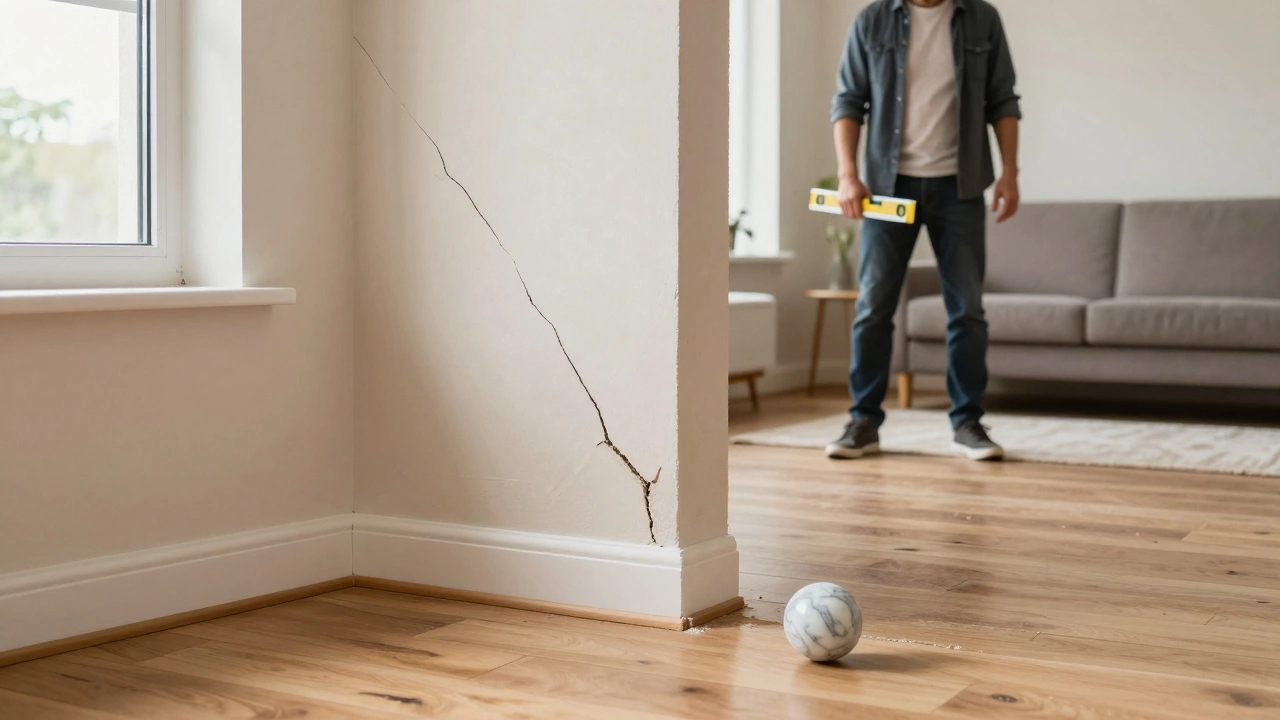
- Interior Cracks: Hairline cracks in plaster are normal due to settling. However, diagonal cracks at the corners of windows and doors, or horizontal cracks in basement walls, indicate active movement.
- Floor Slopes: Place a marble or a billiard ball on your floor. If it rolls consistently in one direction, your floor is sloping. This suggests a void beneath the slab or differential settlement.
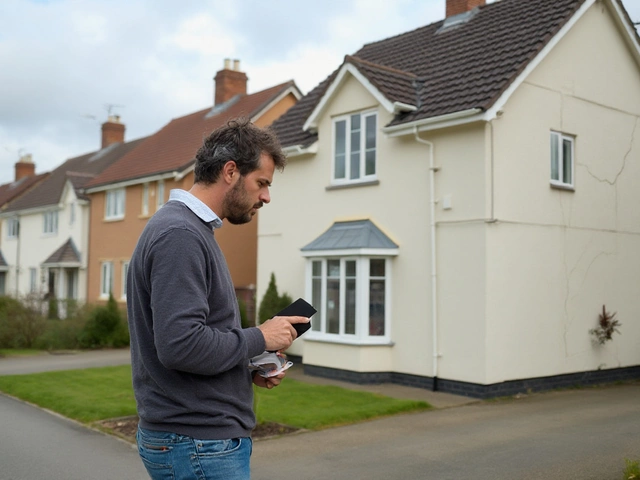
- Exterior Separation: Check where your siding meets the foundation. If you see gaps widening, or if brickwork shows stepped cracking (zig-zag patterns along mortar joints), the foundation is shifting independently of the superstructure.
- Sticking Doors and Windows: If frames warp because the house is twisting, doors will stick or fail to latch. This is often the earliest sign of vertical displacement.
If you spot two or more of these signs, call a structural engineer or a licensed foundation specialist immediately. Do not rely on general handyman advice for structural integrity.
Understanding Why Foundations Fail
To solve the problem, you must understand the cause. Foundations rarely fail because the concrete itself is weak. Concrete is incredibly strong in compression. Instead, foundations fail because the ground beneath them changes. In New Zealand, our diverse geology-from volcanic ash to expansive clays-makes this particularly relevant.
Other common culprits include:
- Poor Drainage: Water pooling near your foundation increases hydrostatic pressure. If gutters dump water directly onto the ground next to your house, you are essentially washing away the support beneath your walls.
- Tree Roots: Large trees planted too close to the house act like sponges, sucking moisture out of the soil and causing it to shrink. This leads to subsidence.
- Inadequate Footing Depth: If the original builder didn’t dig deep enough to reach stable bearing strata, the foundation will sit on unstable topsoil that compresses over time.
Solving the foundation problem requires addressing these root causes. Pouring new concrete without fixing the drainage or soil issue is just delaying the inevitable.
Common Foundation Repair Methods Explained
There is no single "best" repair method. The right solution depends entirely on the type of foundation you have (slab-on-grade, crawlspace, or full basement) and the nature of the movement (settling vs. heaving). Here are the most effective techniques used by professionals today.
Slab Jacking (Mudjacking)
Also known as mudjacking or concrete leveling, this method is ideal for sunken concrete slabs, driveways, and porch steps. It involves drilling small holes into the depressed concrete and pumping a grout mixture-usually composed of cement, sand, and water-underneath. The pressure lifts the slab back to its original position, filling voids in the process.
This is a cost-effective solution for minor settling. However, it adds significant weight to the area, which might not be suitable for all soil types. If your soil is already prone to swelling, adding heavy wet grout could create new issues later.
Helical Piers
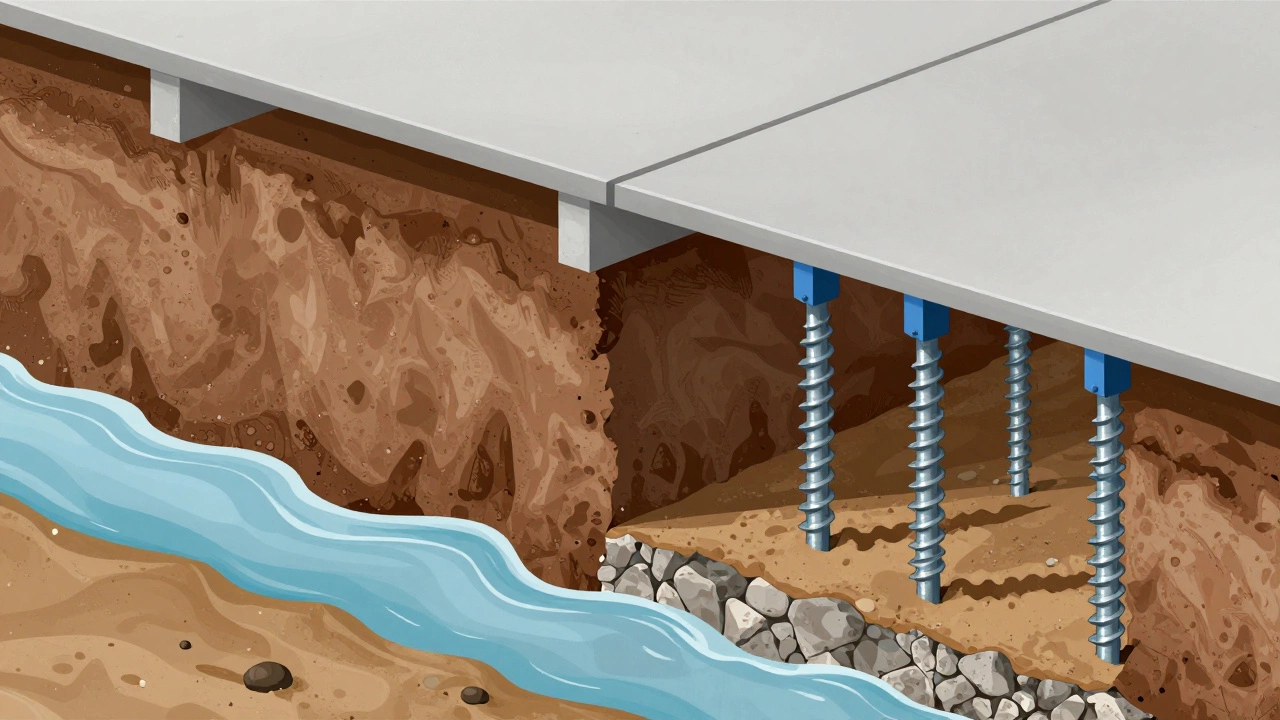
For homes experiencing significant settlement, Helical Piers are steel shafts with screw-like plates that are driven deep into the ground until they reach stable load-bearing soil or bedrock. These piers transfer the weight of your house from the unstable surface soil to the solid ground below.
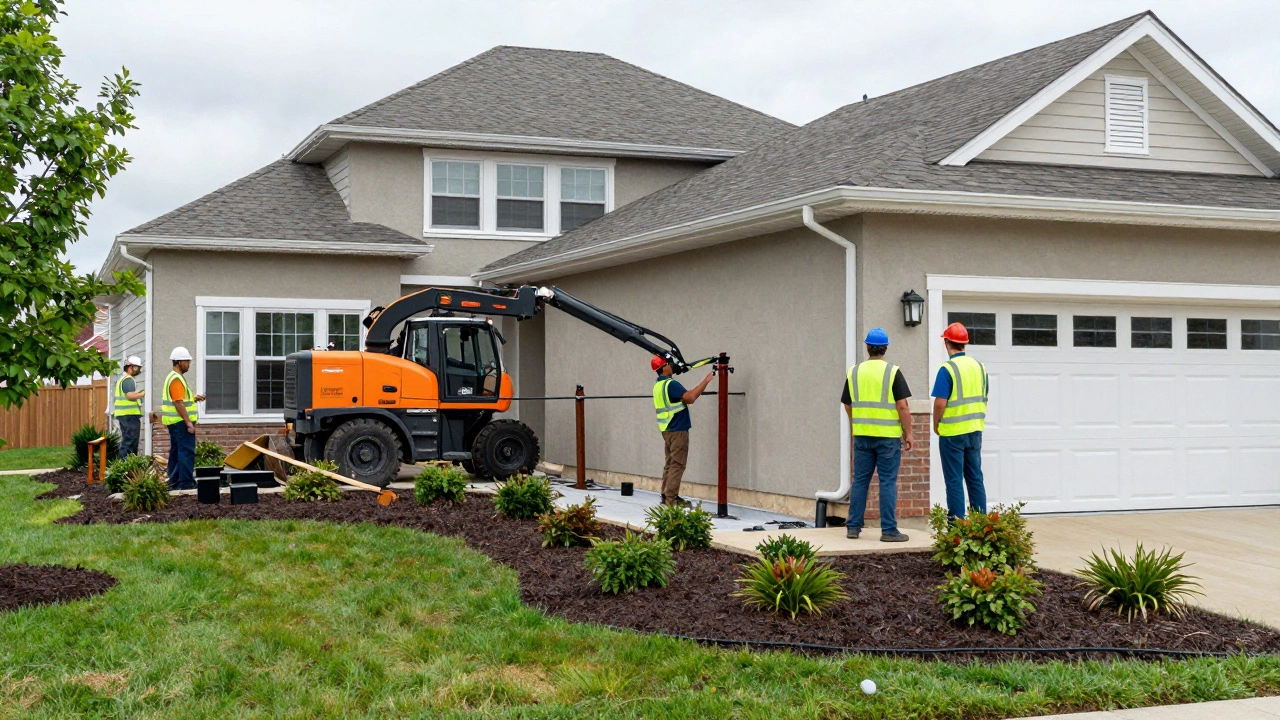
The installation process is minimally invasive. Hydraulic machinery screws the piers into the ground, attaches them to the existing foundation via brackets, and then uses hydraulic jacks to lift the house back to level. Helical piers are excellent for both stabilizing and lifting structures. They provide immediate load capacity upon installation, meaning your house is supported during the entire repair process.
Push Piers (Resistance Piers)
Similar to helical piers, push piers are steel pipes driven hydraulically into the ground. The key difference is how they gain strength. Push piers rely on friction and end-bearing against the soil layers they penetrate. They are typically used when the underlying soil is dense enough to support the load but has compressed over time. Push piers are generally stronger than helical piers in terms of sheer load capacity but require heavier equipment to install.
Wall Anchors and Tiebacks
If your basement walls are bowing inward due to hydrostatic pressure, vertical piers won't help. Instead, you need lateral support. Wall anchors involve installing a plate on the interior wall, running a steel rod through the wall and into the earth outside, and securing it with an exterior anchor plate. As the rod is tightened, it pulls the wall back into place and holds it there. Carbon fiber straps are another modern alternative for less severe bowing, offering a lighter, non-invasive reinforcement option.
| Method | Best For | Cost Range (NZD) | Invasiveness |
|---|---|---|---|
| Slab Jacking | Sunken slabs, driveways | $1,500 - $4,000 | Low |
| Helical Piers | Settling houses, lightweight structures | $8,000 - $25,000+ | Medium |
| Push Piers | Heavy homes, dense soil | $10,000 - $30,000+ | High |
| Wall Anchors | Bowing basement walls | $3,000 - $7,000 per anchor | Medium |
Note: Costs vary significantly based on the severity of the damage, accessibility of the site, and local labor rates in regions like Auckland or Wellington.
The Role of Drainage in Foundation Health
You can install the strongest piers in the world, but if you don’t manage water, your foundation will fail again. Water is the primary agent of destruction for foundations. Solving foundation problems permanently requires a comprehensive drainage strategy.
Start with the basics. Ensure your gutters and downspouts extend at least 1.5 meters away from your foundation. Install splash blocks or underground drain tiles to direct water further away. Grade your landscape so that the soil slopes away from your house at a minimum of 2% gradient for the first 6 meters. This simple slope prevents rainwater from pooling against your footings.
If you have a high water table or persistent dampness in your basement, consider installing a French drain system. This perforated pipe buried in gravel collects groundwater and redirects it to a safe discharge point. For older homes with crawlspaces, encapsulation-lining the soil and walls with vapor barriers-can control humidity and prevent wood rot and mold, which indirectly protects the structural supports.
When to Call a Professional vs. DIY Fixes
Some foundation maintenance tasks are safe for DIY enthusiasts. Sealing small hairline cracks in basement walls with hydraulic cement or epoxy injection kits can stop minor water leaks. Repointing cracked mortar in brick veneers is also manageable for skilled homeowners. Adjusting grading and cleaning gutters are essential DIY duties.
However, structural repairs are not DIY projects. Attempting to lift a house yourself or installing piers without proper engineering calculations can lead to catastrophic failure. Always hire a licensed contractor who specializes in foundation repair. Ask for references, check their insurance, and request a detailed written estimate that includes the engineering plan. Never accept a verbal quote for structural work.
In New Zealand, ensure your contractor complies with the Building Code standards for structural integrity. If the repair involves altering the footprint or load paths of the building, you may need a building consent from your local council. Skipping this step can invalidate your home insurance and cause legal headaches when selling the property.
Maintaining Your Foundation Long-Term
Once repaired, your foundation needs ongoing care. Think of it like your car; regular maintenance prevents expensive breakdowns. Inspect your foundation annually, especially after extreme weather events like heavy rains or droughts. Keep tree roots trimmed or remove problematic trees that are too close to the structure. Monitor the cracks you previously had; if they start widening again, contact your repair company immediately. Most reputable firms offer warranties on their work, so use them.
By understanding the signs, knowing the repair options, and prioritizing water management, you can solve foundation problems effectively. Your home is likely your biggest investment. Protecting its base ensures it remains safe, stable, and valuable for decades to come.
How much does it cost to fix a foundation in New Zealand?
The cost varies widely depending on the method and severity. Minor slab jaking might cost between $1,500 and $4,000 NZD. Major structural repairs using helical or push piers typically range from $8,000 to $30,000+ NZD. Always get multiple quotes and ensure engineering assessments are included.
Can I live in my house while foundation repairs are being done?
In most cases, yes. Exterior pier installations and slab jacking usually allow you to stay inside. However, if the repair involves significant interior demolition, underpinning, or major lifting operations, you may need to vacate temporarily for safety. Discuss this with your contractor beforehand.
How long do foundation repairs last?
Professional repairs like helical piers are designed to be permanent. They transfer the load to stable soil, preventing future settling. Slab jacking may need repeating if the underlying soil continues to erode. Proper drainage maintenance is crucial for the longevity of any repair.
Will foundation repair increase my home value?
Yes, absolutely. A structurally sound foundation is critical for home appraisal and insurance. Unrepaired foundation issues can lower value significantly or make a home unsellable. Documented, professional repairs restore confidence and marketability.
Do I need a building consent for foundation repair in Auckland?
It depends on the scope. Minor repairs like sealing cracks often do not require consent. However, structural alterations, underpinning, or changing load paths usually require a building consent from Auckland Council. Your contractor should advise you on this, but always verify with the council to avoid legal issues.