The Decluttering Decision Tool
Struggling with an item? Answer these questions to apply the Golden Rule: Only keep what you use or love.
The Core Principle: Only Keep What You Use or Love
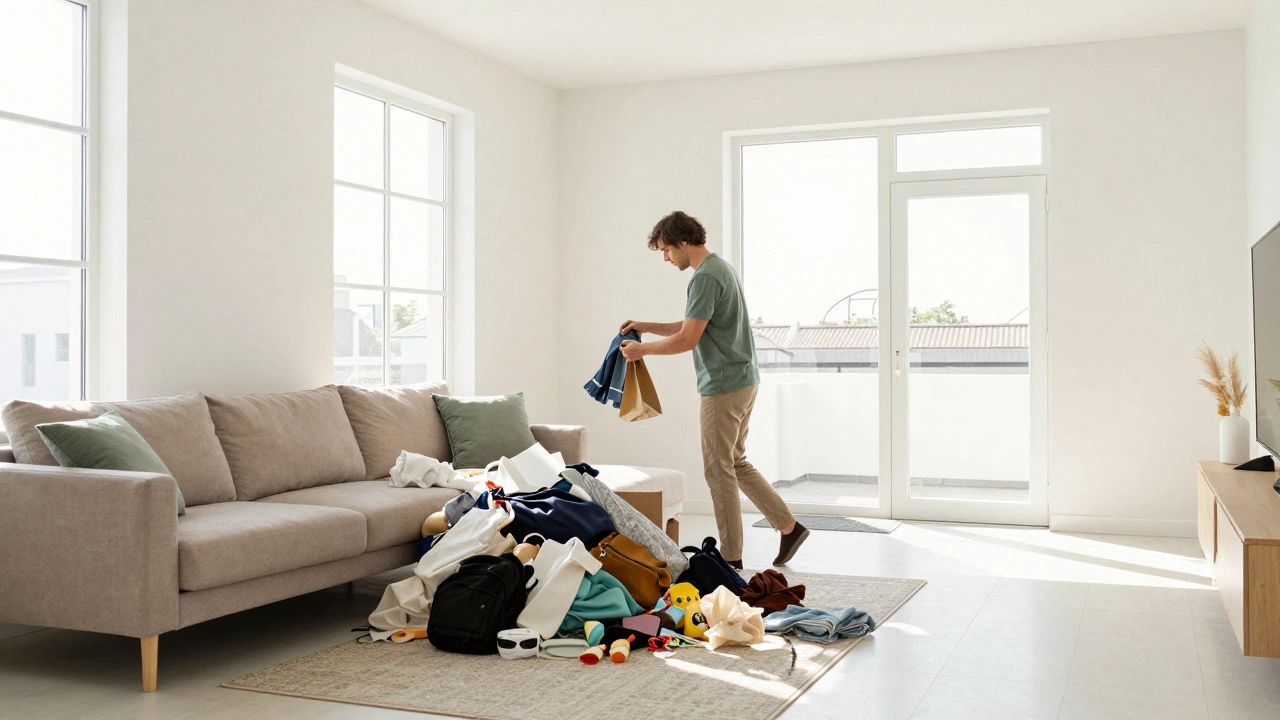
If you're looking for the golden rule of decluttering, here it is: Stop focusing on what to throw away and start focusing on what is worth keeping. Most of us approach a messy closet by asking, "Do I need to get rid of this?" That's a trap. Your brain is wired to avoid loss, so you'll convince yourself that those 2014 tax documents or that oversized neon sweater might be useful one day. Instead, flip the script. Ask yourself, "If I were moving into a new home today, would I pay money to pack and move this item?"
When you shift the perspective from subtraction to selection, the emotional weight of the process changes. You aren't losing something; you are choosing the best version of your environment. This approach is the heartbeat of Minimalism, a lifestyle focused on intentionality over accumulation. By stripping away the noise, you create space for the things that actually add value to your daily routine.
Why the 'Just in Case' Mentality is Killing Your Space
We've all been there. You have three identical spatulas, four old charging cables for phones you no longer own, and a box of "miscellaneous" screws from a bookshelf you assembled five years ago. This is the "just in case" trap. It's based on a fear of future scarcity that rarely reflects reality. In the modern world, the cost of storing an item you don't use is often higher than the cost of replacing it if you ever actually need it.
Think about the physical and mental real estate these items occupy. Every object in your home requires a tiny bit of your attention. When you have 5,000 items in a room, your brain is processing a level of visual noise that increases cortisol levels-the stress hormone. A study by the Princeton University Neuroscience Institute found that physical clutter competes for your attention, making it harder to focus on the task at hand. When you stop keeping things "just in case," you aren't just cleaning a room; you're clearing your mind.
Practical Systems to Apply the Golden Rule
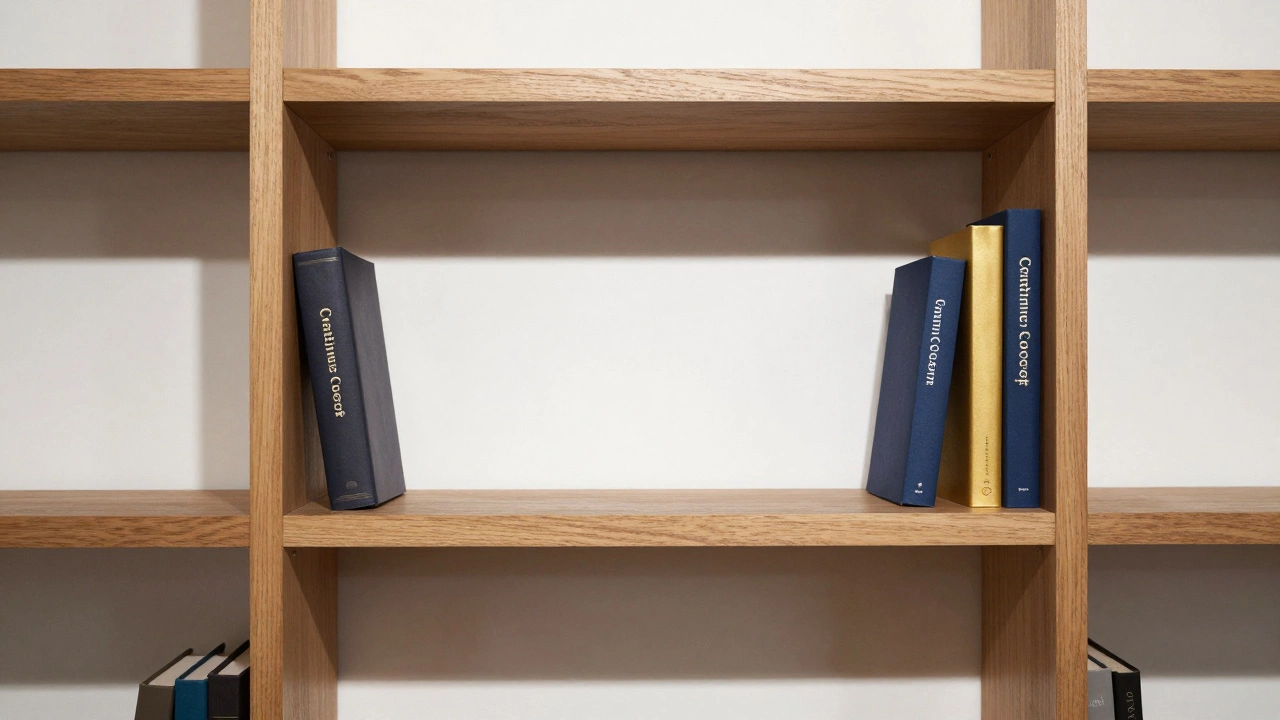
Knowing the rule is one thing; applying it when you're staring at a pile of old magazines is another. You need a system that removes the guesswork. One of the most effective methods is the Container Concept. This rule states that the storage container itself is the limit. If your books don't fit on the shelf, you don't buy a bigger shelf-you get rid of books until they fit comfortably. The container decides how much you can keep, not your desires.
Another heavy-hitter is the "20/20 Rule." If you're struggling to let go of a "just in case" item, ask if you can replace it for less than $20 in less than 20 minutes. If the answer is yes, let it go. This removes the anxiety of losing a tool or a specific kitchen gadget because you know the barrier to getting it back is incredibly low.
| Method | Best For | Core Logic | Effort Level |
|---|---|---|---|
| Container Concept | Closets, Pantries | Physical space is the limit | Medium |
| 20/20 Rule | Tools, Gadgets | Easy replacement = Low risk | Low |
| KonMari Method | Emotional attachments | Does it spark joy? | High |
| One-In-One-Out | Maintenance | Net zero growth | Very Low |
The Danger of 'Delayed Decision' Piles
A common mistake is creating a "maybe" box. You put things in there and tell yourself you'll decide in six months. In reality, a maybe box is just a cluttered area that has been relocated. To make the golden rule work, you have to make a binary choice: Keep or Toss. If you absolutely cannot decide, set a timer for 30 seconds. If you can't find a reason why that item is essential to your happiness or function in those 30 seconds, it's a toss.
To avoid the rebound effect-where you declutter only to buy the same stuff again-you need to implement Mindful Consumption. This means pausing before every purchase and asking, "Where will this live?" and "What will I get rid of to make room for this?" When you treat your home like a high-end gallery rather than a storage unit, you naturally stop the flow of clutter at the front door.
How to Handle the Emotional Weight of Objects
The hardest part of decluttering isn't the physical lifting; it's the guilt. We hold onto gifts from people we don't even like or clothes that remind us of a version of ourselves that no longer exists. You have to realize that the memory isn't in the object. If you have a ticket stub from a concert ten years ago, the music and the feeling are in your head, not in the piece of cardboard.
A great trick for sentimental items is the "Photo Method." Take a high-quality photo of the item, write a quick note about why it was important, and then donate the physical object. You keep the memory (the data) and remove the clutter (the mass). This allows you to honor your past without letting it crowd out your present.
Setting Up Long-Term Storage Solutions
Once you've applied the golden rule and stripped your belongings down to the essentials, you need Storage Solutions that support your new habits. The goal is to make it as easy to put things away as it is to take them out. If a vacuum cleaner requires four steps to get out of a closet, you'll likely leave it in the middle of the room. Use open shelving, clear bins, and designated zones.
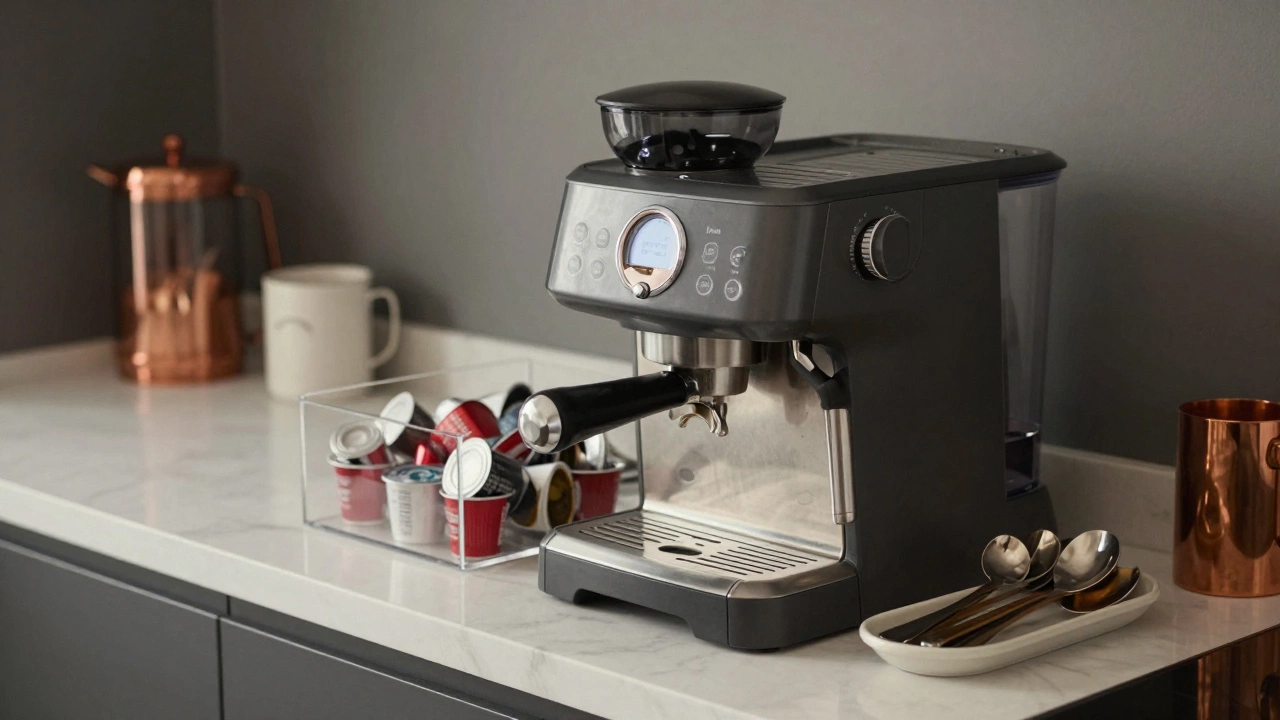
Focus on "Point of Use" storage. This means storing items exactly where they are used. Coffee pods should be next to the machine, not in a separate pantry across the room. When items have a logical, convenient home, the "clutter creep" slows down significantly. Combine this with a weekly "reset" where you spend 15 minutes returning everything to its designated spot, and you'll find that your home stays tidy with almost zero effort.
What if I'm afraid I'll regret throwing something away?
The fear of regret is usually a fear of the unknown. To combat this, use the "Quarantine Box" method. Put the items you're unsure about in a box and tape it shut with a date. If you haven't opened that box to retrieve a specific item in three months, you can safely donate the entire box without looking inside. The fact that you didn't miss the items is proof that they aren't essential.
How do I get my family to follow the golden rule?
Don't try to force a minimalism overhaul on others; it often leads to resentment. Instead, lead by example. When they see the peace and ease of your decluttered space, they'll be more open to it. Give them their own "zones" where they have total control, but set clear boundaries for shared spaces like the living room or kitchen using the Container Concept.
Is the golden rule different for digital clutter?
The principle is exactly the same. Ask if the file or app adds value to your life or if it's just taking up mental space. Unsubscribe from newsletters you don't read and delete duplicate photos. Digital clutter doesn't take up physical room, but it creates "cognitive load" that can make you feel just as overwhelmed as a messy room.
How often should I do a deep declutter?
A full-home purge should happen once a year, typically during a seasonal transition like spring cleaning. However, the best results come from "micro-decluttering"-spending 10 minutes a day tackling one drawer or one shelf. This prevents the overwhelm that comes with massive projects and keeps the golden rule top-of-mind.
What's the best way to donate items?
Research local charities, shelters, or specialized buy-nothing groups in your community. The key is to move the items out of your house immediately. If you leave donation bags in your car or hallway for weeks, you're more likely to start pulling things back out of them. Schedule a pickup or set a specific drop-off time to ensure the cycle is complete.