When you’re replacing old flooring or building a new home, the choice between LVP and laminate often comes down to one question: Which one actually lasts? It’s not just about looks. In Auckland’s humid climate, where moisture from the sea and frequent rain can creep into basements and bathrooms, the difference between these two floors isn’t just a marketing slogan-it’s whether your floor survives five years or starts warping by year two.
What is LVP?
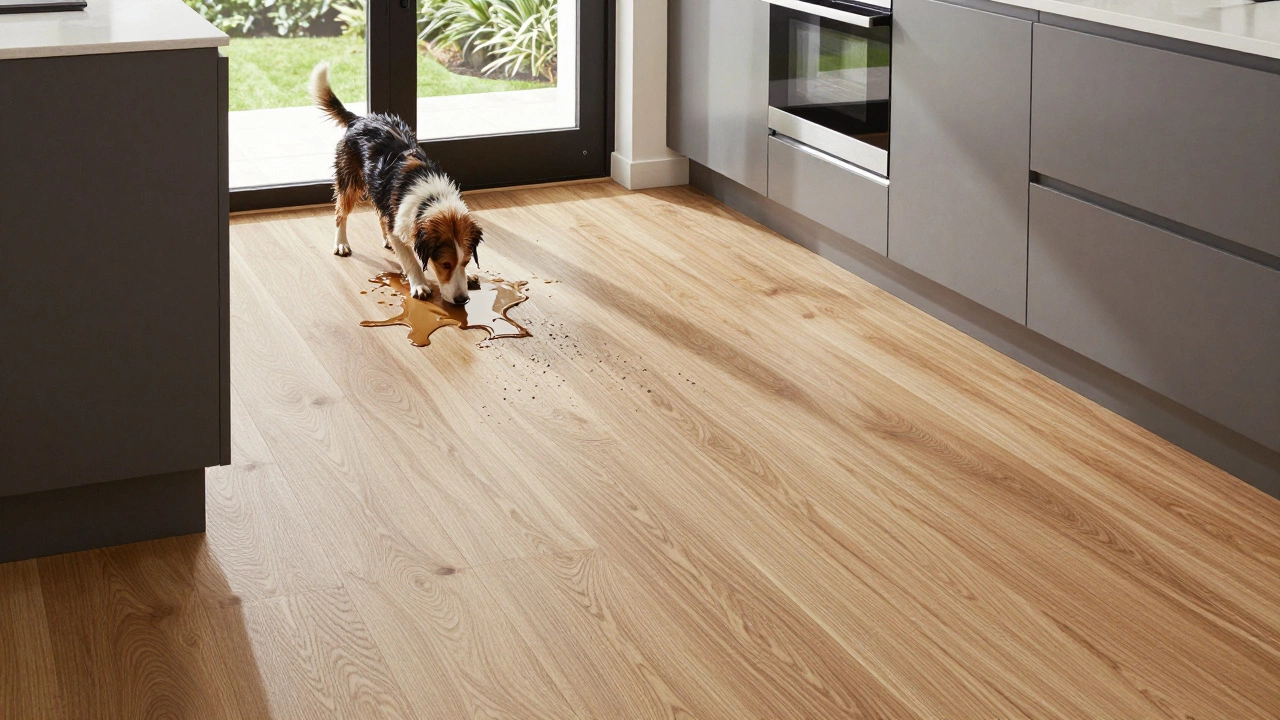
LVP stands for Luxury Vinyl Plank. It’s not the same as the thin, cheap vinyl tiles from the 1980s. Modern LVP is made of multiple layers: a rigid core (usually stone-plastic composite or rigid vinyl), a high-definition printed layer that mimics wood or stone, and a thick, wear-resistant top layer coated with urethane or aluminum oxide. The key? It’s 100% waterproof. You can spill a whole pot of coffee, leave a puddle from wet boots, or install it in a bathroom-no problem. It won’t swell, buckle, or grow mold.
Companies like COREtec, Shaw, and Armstrong make LVP that looks so real, even contractors sometimes double-check if it’s real wood. The texture is embossed to match grain patterns, and some planks even have beveled edges that look like real wood installed with gaps. Installation is click-lock, same as laminate, so DIYers can handle it. But unlike laminate, LVP doesn’t need underlayment for moisture protection-it’s built right in.
What is Laminate?
Laminate flooring is a layered sandwich: a high-density fiberboard (HDF) core, a printed paper layer that looks like wood or tile, and a clear, protective overlay. It’s been around since the 1970s and became popular because it was cheap and looked decent. But here’s the catch: that HDF core? It’s basically compressed wood dust. When it gets wet-even just a little-it swells like a sponge. A leaky fridge, a spilled mop bucket, or even high humidity over time can cause the planks to bubble and lift.
Some newer laminates claim to be “water-resistant,” but that’s not the same as waterproof. They might survive a quick spill if you wipe it up in five minutes. But if water sits for more than a few hours, especially in a basement or bathroom, it’s game over. You’ll need to replace the whole section. And once it swells, you can’t sand it down or fix it. Laminate is a one-shot deal.
Real-World Performance in New Zealand Homes
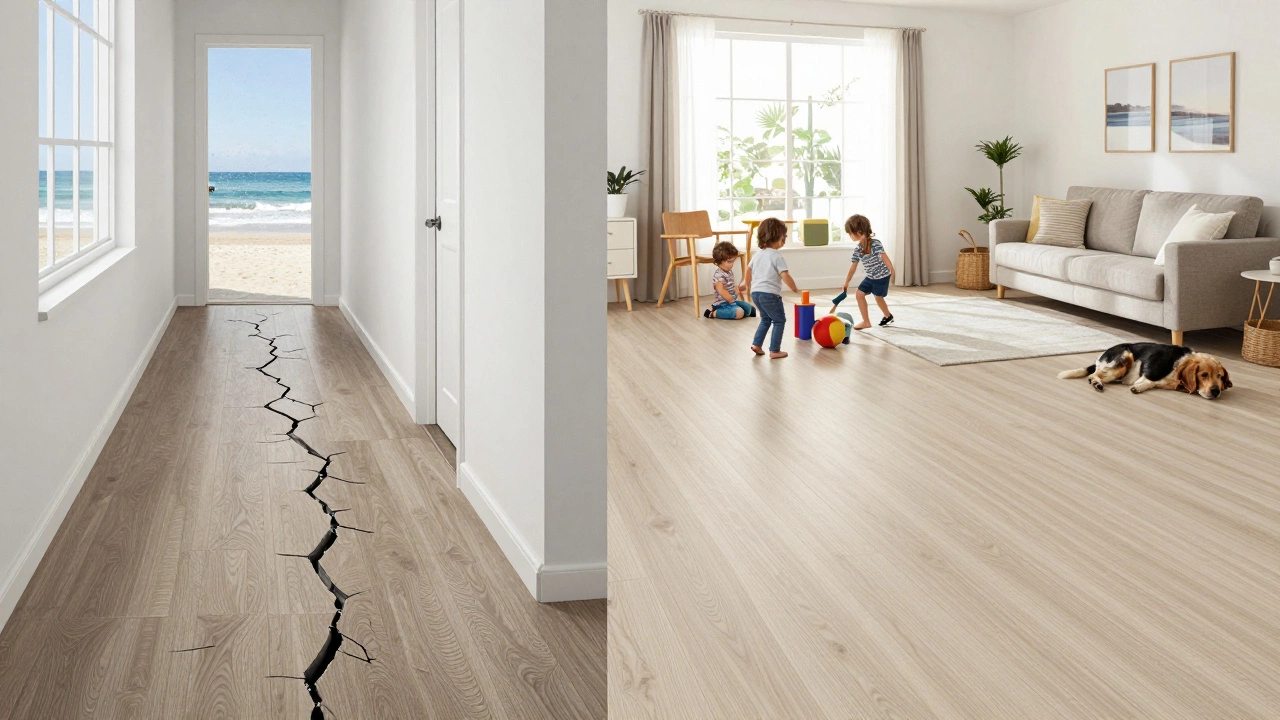
I’ve seen both installed in homes around Auckland over the last five years. In a seaside apartment in Devonport, a family chose laminate because it was $30 a square meter cheaper. Two winters later, the hallway near the back door started lifting. Condensation from the ocean air, plus wet shoes tracked in daily, had soaked into the core. They had to pull up the whole floor and start over.
Meanwhile, a couple in Parnell installed LVP in their kitchen and laundry. Five years later, it still looks brand new. They’ve had toddlers, dogs, and a leaky washing machine. No warping. No stains. No replacement.
The difference isn’t just in the product-it’s in the environment. New Zealand’s coastal humidity, seasonal rains, and frequent indoor moisture make LVP’s waterproof nature a real advantage. Laminate might look fine on a showroom floor, but in a real home, it’s a gamble.
Cost Comparison: Upfront vs Long-Term
LVP typically costs between $50 and $90 per square meter installed. Laminate runs $30 to $60. At first glance, laminate wins. But here’s what most people forget: replacement cost.
If you install laminate in a high-moisture area and it fails in three years, you’re not just paying for new flooring-you’re paying for removal, disposal, labor, and maybe even damage to the subfloor. LVP might cost 50% more upfront, but if it lasts 20 years without a single repair, you’ve saved money.
Also, LVP often comes with longer warranties-25 to 30 years for residential use. Laminate warranties rarely go beyond 15 years, and many exclude water damage entirely.
Which One Feels Better Underfoot?
Texture matters. Laminate has a hard, hollow sound when you walk on it. It feels like walking on a thin board. LVP, especially with a thicker core and attached underlayment, has more give. It’s quieter, warmer, and feels more like real wood. If you have kids, pets, or just hate the echo of footsteps in a hallway, LVP is quieter and more comfortable.
Some LVP products even have cork or foam backing built in. That means you don’t need to buy extra underlayment. Laminate almost always requires a separate foam pad, which adds to cost and installation complexity.
Installation: DIY-Friendly?
Both are click-lock systems, so neither needs glue. You can install either yourself with basic tools. But here’s the twist: LVP is more forgiving on uneven subfloors. Because it’s rigid and doesn’t rely on the core holding shape, it can bridge small gaps or slight dips. Laminate is more sensitive. If your subfloor isn’t perfectly level, the planks will click but then shift or creak under weight.
LVP also handles transitions better. You can install it right up to a tile bathroom or a concrete slab without worrying about expansion gaps. Laminate needs a 10mm gap around the edges and special trim pieces to allow for expansion. In tight spaces, that can be a headache.
Best Uses for Each
- Choose LVP if: You’re installing in a kitchen, bathroom, laundry, basement, or any room with water exposure. You want durability, quietness, and a floor that lasts two decades. You care about resale value.
- Choose laminate if: You’re on a tight budget, installing in a dry, low-traffic room like a bedroom or home office, and you’re willing to replace it in 5-8 years. You don’t mind the hollow sound.
There’s no point in buying laminate for your kitchen just because it’s cheaper. You’ll end up paying twice. And if you’re putting LVP in a quiet bedroom? You’re overpaying for features you don’t need.
What About Maintenance?
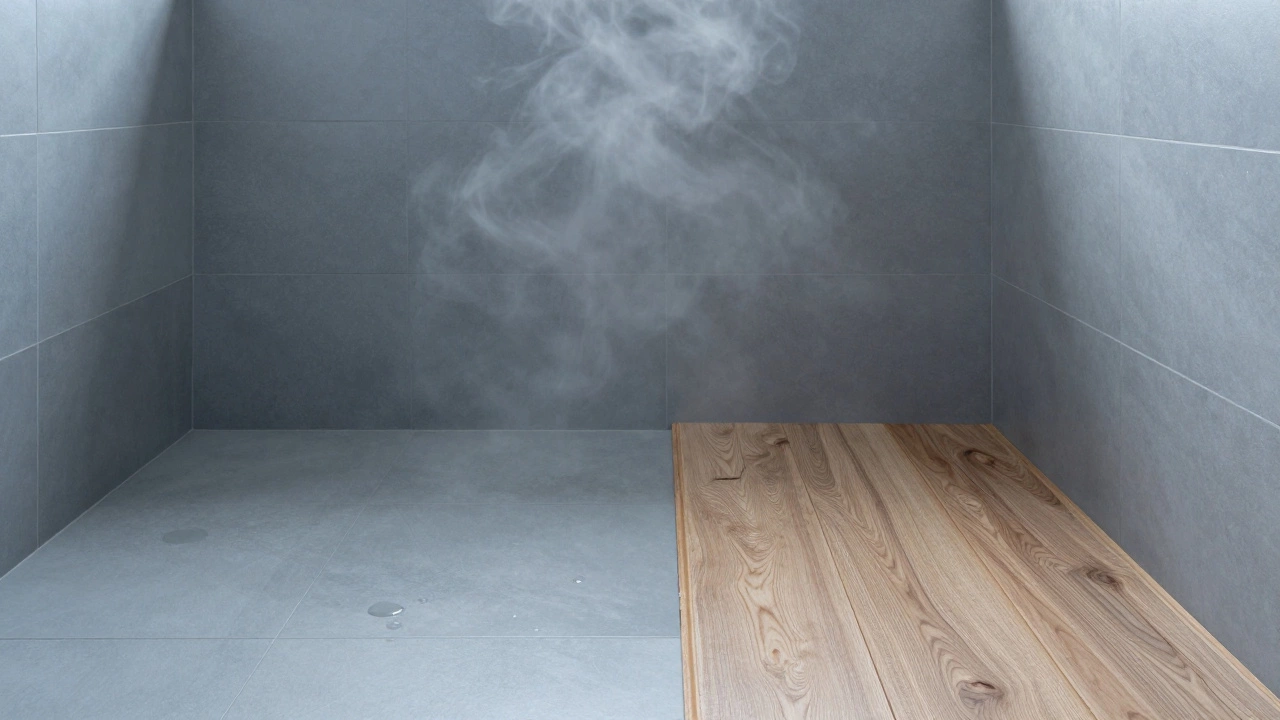
Both are easy to clean. Sweep, vacuum, or mop with a damp cloth. No waxing. No polishing. LVP doesn’t need special cleaners. Laminate can be damaged by steam mops or too much water. Stick to dry or slightly damp cleaning for laminate. For LVP, you can use a wet mop without fear.
Scratches? LVP’s top layer is tougher. It resists pet claws, high heels, and dropped pots. Laminate scratches more easily, and once it’s scratched, you can’t repair it. You can’t sand or refinish it like real wood.
Final Verdict: LVP Wins for Most Homes
In 2026, with moisture issues more common than ever and homeowners staying in their homes longer, LVP is the smarter choice for 9 out of 10 households. It’s durable, waterproof, quiet, and holds its value. Laminate still has its place-but only in dry, low-risk areas where you’re okay with replacing it sooner.
If you’re in New Zealand, where the weather doesn’t play nice, LVP isn’t just a trend-it’s insurance.
Can I install LVP over existing laminate?
Yes, you can install LVP over existing laminate if the surface is flat, clean, and securely attached. But if the old laminate is warped, loose, or has moisture damage, remove it first. LVP needs a stable base. A bouncy or uneven floor will show through and cause clicking or shifting.
Is LVP safe for homes with pets?
Absolutely. LVP is one of the best flooring options for pet owners. It resists scratches from claws, doesn’t absorb urine or odors, and is easy to clean after accidents. Many brands even offer scratch-resistant warranties specifically for pet owners.
Does LVP look fake compared to real wood?
Not anymore. Modern LVP uses high-resolution photography and embossing to match real wood grain, knots, and texture down to the microscopic level. Many people can’t tell the difference-even up close. Some premium LVP even has hand-scraped edges and color variation that mimics natural wood planks.
Can I use laminate in a bathroom?
Not recommended. Even "water-resistant" laminate isn’t designed for constant moisture. Bathrooms have steam, splashes, and leaks. Laminate’s HDF core will absorb water over time, causing swelling, warping, and mold. LVP is the only safe choice for bathrooms.
How long does LVP last compared to laminate?
LVP typically lasts 20-30 years with proper care. Laminate lasts 10-15 years in ideal conditions, but often fails in 5-8 years in high-moisture areas. In places like Auckland, where humidity is high, laminate rarely hits the 10-year mark without damage.