New Build Mold Risk Calculator
Mold thrives in moisture. In new builds, construction moisture is high. Use this tool to assess if your current living conditions are inviting mold into your brand-new home.
Current Conditions
Your Mold Risk Assessment
Enter Details
Fill in the form to see your personalized advice.
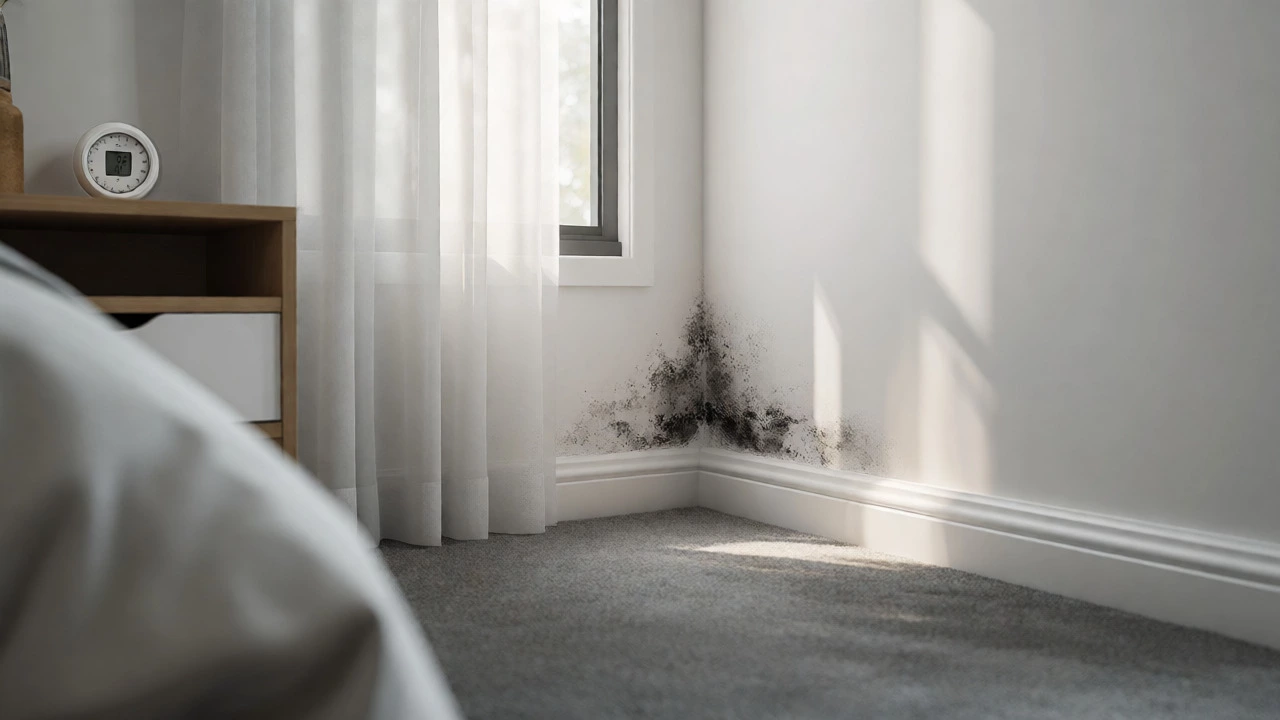
You just got the keys to your brand-new house. The paint is fresh, the carpets are clean, and everything smells like possibility. But then you notice a faint musty smell in the bedroom or see dark spots creeping up the corner of the bathroom wall. It’s frustrating because you paid for a new build, not a renovation project. Yet, mold is surprisingly common in newly constructed homes, especially in climates like Auckland where humidity is high and rain is frequent. Why does this happen? Usually, it’s not bad luck; it’s physics.
Mold needs three things to thrive: moisture, a food source (like drywall paper or timber), and warmth. In a new build, the biggest culprit is often residual construction moisture trapped inside the walls and floors. If that moisture doesn’t escape quickly enough, or if your heating and ventilation systems aren’t set up correctly, you’re inviting mold into your home before you’ve even unpacked your boxes. This guide breaks down exactly how to stop it from happening, moving beyond generic advice to specific actions you can take during and after construction.
The Hidden Moisture Problem in New Construction
Think about how much water goes into building a house. Concrete slabs, plasterboard, timber framing, and adhesives all contain significant amounts of water. When these materials cure, they release that moisture into the air. In an older, established home, the building fabric has already dried out over decades. In a new build, however, the structure is still "drying out" for months, sometimes up to two years depending on the weather and design.
This phenomenon is known as construction moisture. Unlike leaks from pipes, which are obvious, construction moisture is invisible until it causes damage. If you seal up a new house tightly with modern insulation and windows without ensuring adequate airflow, that water vapor gets trapped. It condenses on cold surfaces, like window frames or external walls, creating the perfect damp environment for mildew to start growing within days.
Many homeowners make the mistake of turning off their heat recovery ventilation (HRV) systems to save on power bills during winter. Big mistake. That system is doing heavy lifting to remove humid air generated by cooking, showering, and drying clothes indoors, while also managing the initial drying phase of the building itself.
Ventilation Is Your First Line of Defense
If there is one rule for preventing mold, it is this: stale, moist air must leave the house. Modern building codes require tight seals to keep heat in, but without controlled ventilation, moisture stays in too. This is where mechanical ventilation becomes critical.
Heat Recovery Ventilation (HRV) is a system that exchanges indoor air with outdoor air while retaining most of the heat energy. It prevents the buildup of humidity that leads to condensation. If your new build came with an HRV, check the filters monthly. Clogged filters reduce efficiency dramatically, letting damp air linger in bedrooms and bathrooms.
What if you don’t have an HRV? Then you need to be aggressive with passive ventilation. Open cross-ventilation-opening windows on opposite sides of the house-is effective when the outside air is drier than the inside air. However, in Auckland’s coastal climate, outside air can be very humid, so opening windows might actually add moisture. In those cases, relying on extractor fans is safer.
- Bathroom Fans: Run them for at least 30 minutes after every shower. Check if yours is vented to the outside, not just into the ceiling cavity.
- Kitchen Rangehoods: Use them whenever you cook, especially when boiling water. Steam rises and settles on nearby cabinets and walls.
- Clothes Drying: Never dry wet laundry indoors without a fan running or a dehumidifier present. One load of laundry releases about 2 liters of water into the air.
Managing Indoor Humidity Levels
Knowing your numbers helps you act before mold appears. You want to keep relative humidity (RH) between 40% and 60%. Below 40%, air gets too dry and static builds up. Above 60%, mold spores become active and multiply rapidly.
Buy a hygrometer. These small devices cost less than $20 and tell you exactly what’s happening in each room. Place one in the master bedroom and another in the living area. If you see readings consistently above 65%, you have a problem. Here’s how to fix it:
- Use Dehumidifiers Strategically: Don’t just buy one big unit for the whole house. Mold loves corners and wardrobes. Consider smaller desiccant dehumidifiers for closets or under-bed spaces where air circulation is poor.
- Adjust Heating Habits: It sounds counterintuitive, but keeping your house slightly cooler and well-ventilated is better for preventing mold than having one hot room and several cold ones. Cold surfaces cause condensation. If the outside temperature drops, raise the thermostat slightly to keep internal surface temperatures above the dew point.
- Avoid Furniture Against External Walls: Leave a gap of at least 5-10 cm between sofas, beds, or wardrobes and exterior walls. This allows warm air to circulate behind the furniture, warming the wall surface and preventing condensation.

Building Envelope Details That Matter
Sometimes, mold isn’t about your behavior; it’s about how the house was built. Poor detailing around windows, doors, and roof penetrations can let rainwater ingress or trap moisture in cavities. In New Zealand, we follow NZS 3604 standards, but execution varies by builder.
Check for these red flags during your final walkthrough or early occupancy:
| Area | Potential Issue | Sign of Trouble |
|---|---|---|
| Windows | Poor flashing or sealant gaps | Water stains on sill or frame base |
| Roof Cavities | Inadequate sarking or tile overlap | Damp insulation or black spotting on rafters |
| Bathrooms | Missing waterproofing membrane | Mold grout lines or swollen skirting boards |
| Slab Edges | Lack of vapor barrier under concrete | Rising damp or musty floor odor |
If you spot water pooling around window sills after a storm, document it immediately. Take photos and send them to your builder. Most new builds come with a warranty period (often 10 years for structural issues in NZ). Addressing minor leaks now prevents major mold remediation later.
Choosing Materials and Finishes Wisely
Not all finishes resist mold equally. While you can’t change the framing after the fact, you can choose smarter paints and flooring options if you’re still in the design phase or planning renovations soon.
Anti-mold Paints contain fungicides that inhibit growth on painted surfaces. They are particularly useful in bathrooms, kitchens, and north-facing rooms that receive little sun. Look for products labeled "anti-fungal" or "moisture-resistant." Note that these paints prevent growth but do not stop existing mold from spreading if the underlying moisture issue remains unresolved.
Flooring choices also play a role. Carpet acts as a sponge for dust and moisture. If you live in a high-humidity zone, consider vinyl plank or polished concrete for ground-level rooms. These materials don’t absorb water and are easy to wipe clean, removing the food source mold needs.

Immediate Actions for Existing Mold Spots
Found a spot? Don’t panic, but don’t ignore it. Mold spreads via spores, so cleaning it improperly can make things worse by dispersing them into the air.
- Small Spots (< 1 sq meter): Mix white vinegar and water (1:1 ratio) in a spray bottle. Spray the area, let it sit for an hour, then wipe with a damp cloth. Vinegar kills about 82% of mold species. Avoid bleach on porous surfaces like drywall; it only bleaches the color, leaving roots intact.
- Large Areas or Recurring Issues: Call a professional. They can identify hidden sources behind walls and use HEPA-filtered vacuums to remove spores safely.
- Protect Yourself: Wear an N95 mask and gloves when cleaning mold. Inhaling spores can trigger allergies or respiratory issues, especially in children and asthmatics.
Remember, cleaning removes the symptom. If the mold returns in the same spot within weeks, you haven’t fixed the moisture source. Revisit your ventilation strategy or check for leaks.
Long-Term Maintenance Checklist
Preventing mold in a new build is an ongoing process, not a one-time fix. As seasons change, your approach should shift slightly.
How long does it take for a new build to dry out completely?
Typically, a new house takes 12 to 24 months to fully dry out, depending on the season it was built in and local weather conditions. During this period, higher-than-average humidity levels are normal, requiring vigilant ventilation and heating management.
Is mold covered under the new build warranty?
It depends on the cause. If mold results from a construction defect like a leaky roof or faulty flashing, it is usually covered. If it stems from occupant behavior, such as failing to ventilate properly or drying clothes indoors excessively, it may not be covered. Always consult your specific contract terms.
Can I use a standard household fan instead of an HRV?
Yes, but it’s less efficient. Standard fans move air but don’t exchange it with the outside unless you open a window. An HRV actively removes moist air and brings in fresh air, maintaining humidity balance more effectively without losing all your heat.
Why is my north-facing room getting mold despite being sunny?
North-facing rooms can still get cold at night, leading to condensation on walls if not heated adequately. Additionally, if curtains block sunlight and airflow against the wall, moisture can get trapped. Ensure curtains don’t touch the wall and keep the room gently heated overnight.
Does painting over mold kill it?
No. Painting over untreated mold traps it underneath. The mold will continue to grow, eventually bubbling or peeling the paint. You must clean and treat the surface with an anti-mold primer before repainting.
Taking ownership of your new build means understanding its quirks. By controlling humidity, respecting ventilation systems, and catching small leaks early, you keep your investment healthy and your family breathing easy. Start today by checking your hygrometer reading-it’s the first step toward a mold-free home.