Bedroom Curtain Length Recommendation Tool
Answer a few questions about your bedroom setup, and we'll recommend the perfect curtain length and style for your space.
What is located directly beneath your window?
What is your primary priority for the room?
How important is light blocking (blackout)?
Your Recommendation:
💡 Pro Tip
📏 Measurement Goal
Depending on your ceiling height and what's sitting under your window, the answer changes. Usually, the choice boils down to whether you want a formal, cozy feel or a practical, airy vibe. Let's break down exactly how to decide based on your actual room layout.
Quick Summary: Which Length to Choose?
- Floor Length: Best for high ceilings, creating a sense of luxury, and blocking out light for better sleep.
- Window Sill Length: Best for small rooms, windows with radiators/furniture underneath, and a more casual, breezy look.
- The Golden Rule: When in doubt, go long. It almost always makes the room feel larger.
The Case for Floor-Length Curtains
When you choose bedroom curtain length is designed to reach from the rod all the way to the floor, you're doing more than just covering glass. You're manipulating the perceived scale of the room. Floor-length drapes draw the eye upward, which tricks your brain into thinking the ceilings are higher than they actually are.
In a bedroom, this length is a game-changer for sleep quality. Because Blackout Curtains are often floor-length, they seal the edges of the window more effectively. If your curtains stop at the sill, light leaks from the bottom and sides, which can wake you up at 5 AM. By extending the fabric to the floor, you create a thermal and light barrier that keeps the room cooler in summer and warmer in winter.
There are three main ways to let floor-length curtains hit the ground, and each gives off a different energy:
- The Kiss: The fabric just barely touches the floor. This is the cleanest, most modern look and is easiest to vacuum around.
- The Break: The fabric bunches slightly on the floor (about 1-2 inches of extra material). This looks relaxed and high-end, often seen in luxury hotels.
- The Puddle: The curtains pool on the floor by 3-5 inches. This is strictly for a romantic, traditional, or "shabby chic" aesthetic. Be warned: these are magnets for pet hair and dust.
When Window Sill Length is Actually Better
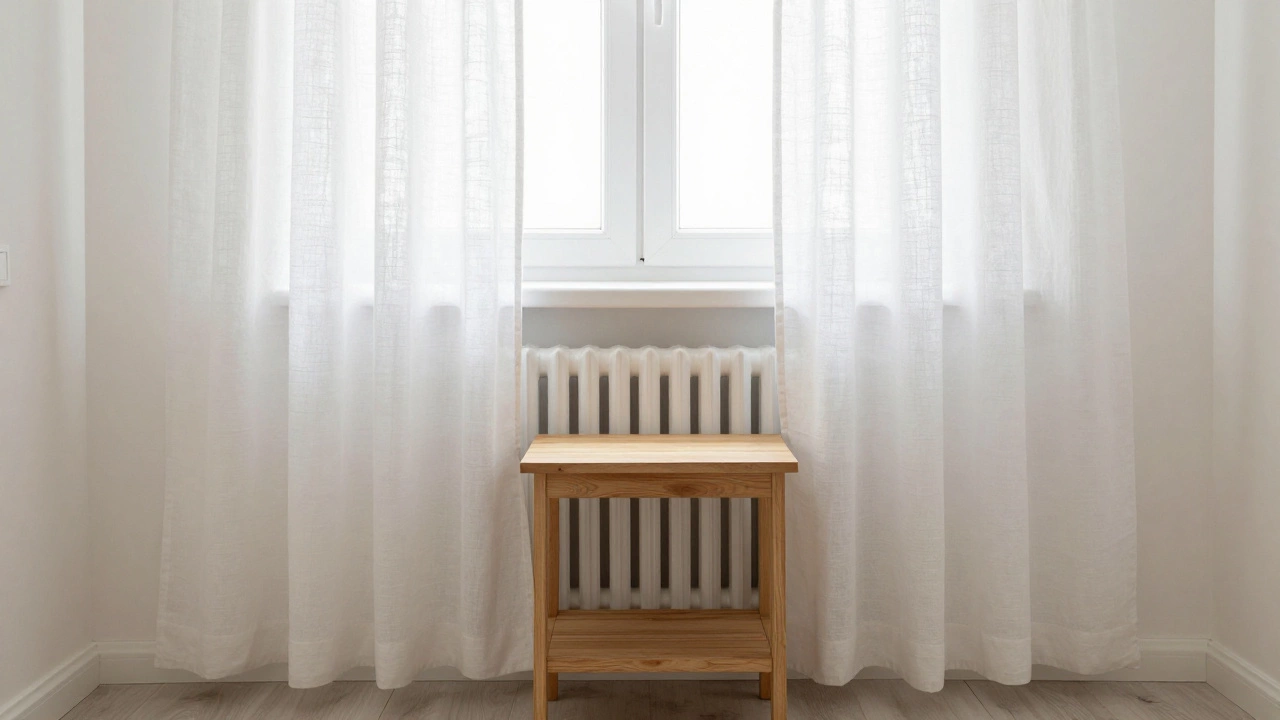
While designers love a long drape, real life often gets in the way. You don't always have a blank wall under your window. If you have a Radiator or a heating vent located directly beneath the window, floor-length curtains are a safety hazard and an energy waste. They block the heat from entering the room and can potentially overheat the fabric.
Similarly, if you've placed a dresser, a desk, or a bedside table right against the wall under the window, a full-length curtain will just bunch up behind the furniture. This looks messy and makes the fabric crease. In these cases, Sill-Length Curtains (which end exactly at the window sill) or Apron Length curtains (which end about 4 inches below the sill) are the only logical choices.
Sill-length curtains also work wonders in very small bedrooms. In a tiny space, too much heavy fabric can feel claustrophobic, like you're living in a tent. Shorter curtains keep the room feeling open and airy, allowing the architecture of the room to breathe.
| Feature | Floor Length | Window Sill Length |
|---|---|---|
| Visual Effect | Makes ceilings look higher | Makes room feel airier |
| Light Control | Superior blackout potential | More light leakage at bottom |
| Maintenance | Collects dust at the bottom | Easier to clean/vacuum |
| Best For | Empty walls, high ceilings | Radiators, furniture underneath |
| Vibe | Formal, cozy, luxurious | Casual, practical, modern |
The Impact of Curtain Rod Placement
Whether you go long or short, where you put the Curtain Rod changes everything. A common mistake is mounting the rod exactly at the top of the window frame. This creates a "squat" look. To maximize the impact of your choice, you should follow the "high and wide" rule.
Mount your rod 4 to 6 inches above the window frame, or even halfway to the ceiling. This adds verticality to the room. When you combine a high rod with floor-length curtains, you create a seamless line of fabric that stretches the room. If you're using sill-length curtains, a high rod can still work, but it might make the curtains look like they "shrunk in the wash" if the gap between the sill and the floor is too large.
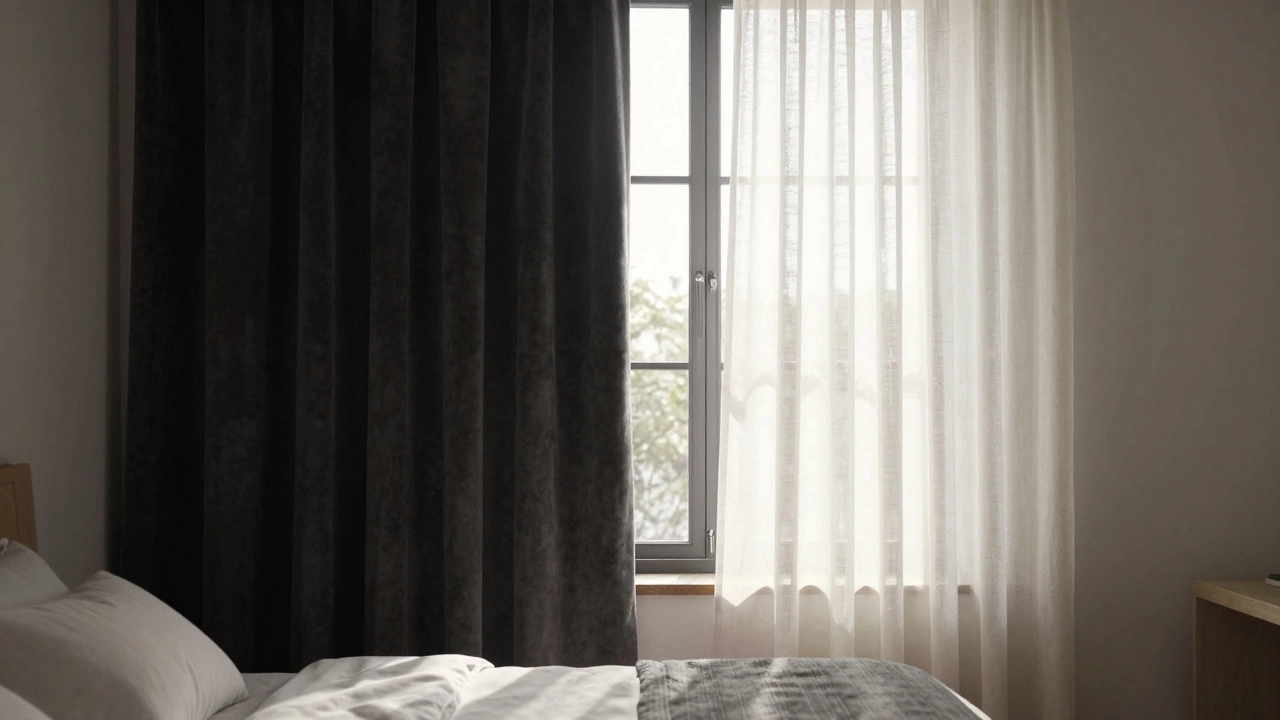
For those with Double Rods, you can actually have the best of both worlds. Use a sheer curtain for daytime privacy that hits the sill, and a heavy blackout drape for night that reaches the floor. This layering adds depth and allows you to adjust the mood of the bedroom instantly.
Practical Tips for Measuring and Hanging
Don't trust the standard sizes listed on the packaging. Every window is slightly different, and floors are rarely perfectly level. To get the look right, you need a real measuring tape and a helper.
If you want the "Kiss" look, measure from the rod to the floor and subtract half an inch. This accounts for the fabric settling over time. If you're going for a "Break," add about 2 inches to your measurement. For sill-length, measure from the rod to the sill and add 1-2 inches so the fabric comfortably covers the window edge without hanging awkwardly.
Another pro tip: check your Fabric Weight. Heavy velvets look stunning at floor length because they drape with a certain gravity. Lightweight linens or cottons can look a bit too thin if they're too long, as they tend to blow around with every draft, which can be distracting in a sleeping environment.
Common Mistakes to Avoid
The biggest error is the "halfway point." This is when curtains end somewhere between the sill and the floor-maybe 12 inches above the ground. This is the most unflattering length because it doesn't satisfy the practicality of a sill-length curtain nor the elegance of a floor-length one. It simply looks like you bought the wrong size and hoped no one would notice.
Another pitfall is ignoring the Window Trim. If you have beautiful, chunky wooden molding around your window, you might be tempted to keep curtains short to show it off. However, if you do this, make sure the curtains are wide enough to clear the trim when open, otherwise they'll bunch up and block your view of the outdoors.
Do floor-length curtains make a small bedroom look smaller?
Actually, it's usually the opposite. While it seems like more fabric would crowd a room, floor-length curtains create a vertical line that draws the eye upward. This tricks the brain into perceiving the ceilings as higher, which actually makes a small room feel more spacious and less cramped.
What is the best length for curtains if I have a radiator under the window?
Sill-length or "apron length" (ending just below the sill) is the only way to go here. Floor-length curtains will block the heat from the radiator, making your room colder and potentially creating a fire hazard or damaging the fabric through constant heat exposure.
How do I stop floor-length curtains from dragging and getting dirty?
Aim for the "Kiss" length, where the fabric just barely touches the floor. If you already have curtains that are too long, you can use hem tape (an iron-on adhesive) to shorten them without needing a sewing machine. This keeps them off the ground and prevents them from collecting dust.
Can I mix and match lengths in one bedroom?
It's generally not recommended unless the windows are in completely different areas of the room. If you have two windows on the same wall, using different lengths will look accidental and unbalanced. Stick to one consistent length for a cohesive, polished look.
Should I use rings or hooks for floor-length curtains?
Curtain rings are generally better for floor-length drapes because they allow the fabric to glide across the rod more smoothly. Hooks can sometimes cause the fabric to bunch or pull unevenly, which is more noticeable when you have a large volume of fabric reaching the floor.
Next Steps for Your Bedroom Upgrade
If you're still undecided, start by clearing the area under your window. If the space is empty, go for the luxury of floor-length drapes. If you have a permanent piece of furniture there, opt for the clean lines of a sill-length treatment.
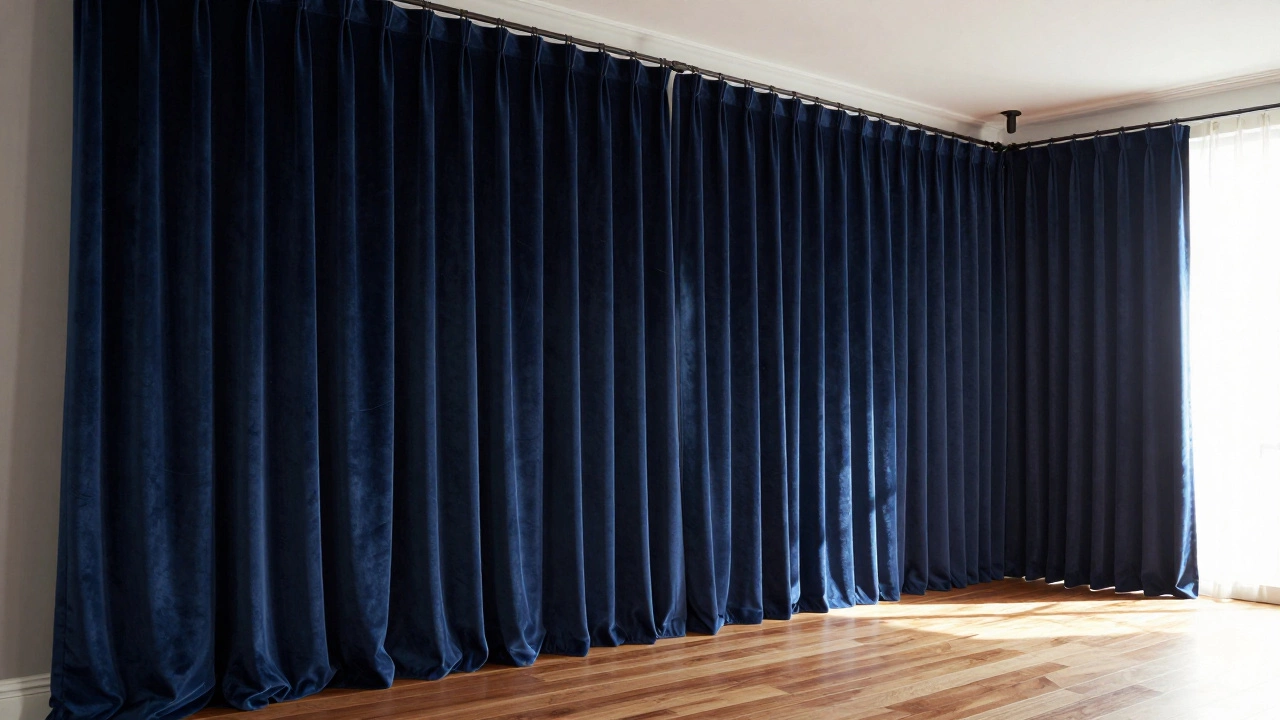
For those who want a modern update, consider swapping your standard rod for a ceiling-mounted track. This allows your floor-length curtains to start at the very top of the room, creating a dramatic "wall of fabric" effect that is incredibly popular in contemporary interior design.