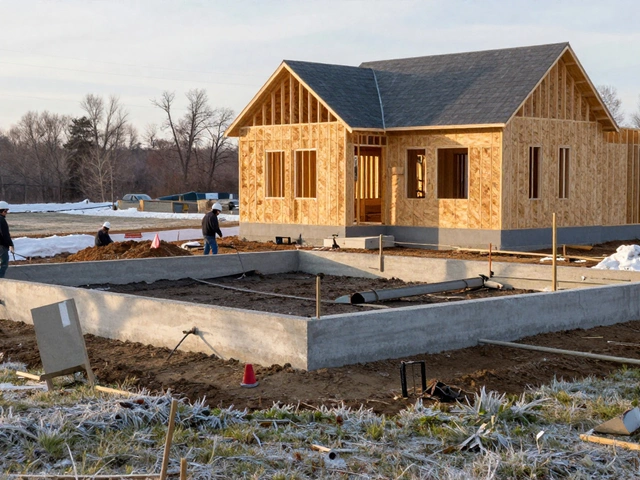
3 4 5 Rule in Construction and Design: What It Means and How It’s Used
When builders need to make sure a corner is perfectly square, they don’t reach for a laser level—they grab a tape measure and use the 3 4 5 rule, a practical geometry technique based on the Pythagorean theorem to verify right angles in real-world building tasks. Also known as the 3-4-5 triangle method, it’s one of those old-school tricks that still works better than fancy gadgets when you’re standing on a dusty job site. It’s simple: measure 3 feet along one side, 4 feet along the other, and if the diagonal between them is exactly 5 feet, you’ve got a perfect 90-degree angle. No apps, no batteries, no calibration—just math you can see and feel.
This rule isn’t just for carpenters. It’s used every day in bathroom remodeling, where precise layouts prevent tile misalignment and water leaks, in kitchen design, to ensure cabinets and appliances fit without gaps, and even in commercial construction, when laying out floors for high-traffic spaces that need exact alignment. You’ll find it in posts about fridge placement, wall-before-floor sequencing, and even how to avoid foundation cracks—because if your corners aren’t square, everything else gets messy. It’s the kind of skill that separates a job done well from one that looks like it was rushed.
The 3 4 5 rule is a quiet hero in construction. It doesn’t get headlines, but it’s in every project that doesn’t fall apart. Whether you’re hanging drywall, laying tile, or framing a new room, this rule saves time, money, and headaches. The posts below show you exactly how it shows up in real projects—from DIY bathroom makeovers to large-scale builds—and how you can use it yourself, even if you’ve never held a tape measure before. You don’t need to be an engineer. You just need to know 3, 4, and 5.
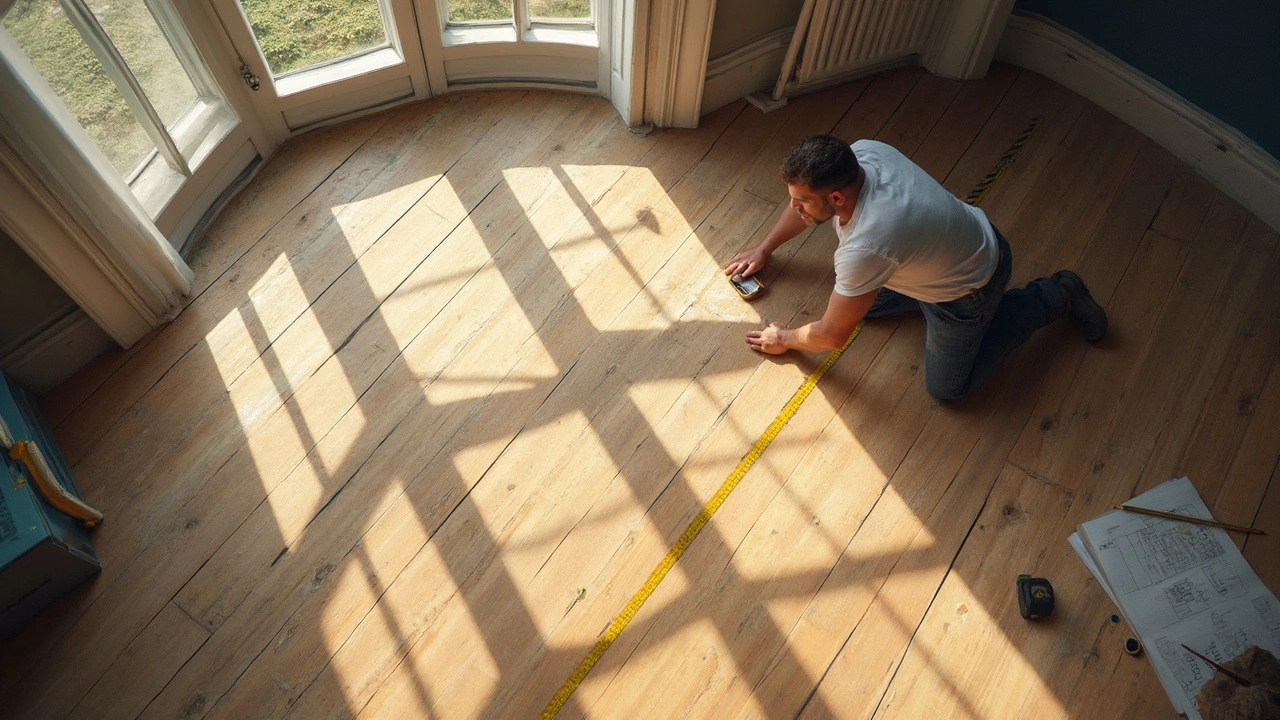
3 4 5 Rule Flooring: How to Nail Accurate Layouts Every Time
Curious about the 3 4 5 rule in flooring? This article breaks down what it is, why pros swear by it, and how you can use it to get sharp, accurate floor layouts. Learn step-by-step how to check if your room is square and avoid wonky floor patterns. Grab helpful tips to save time, stress, and materials on your next flooring project.