Bathroom Remodel: Real Costs, Smart Upgrades, and What Actually Matters
When you start a bathroom remodel, a renovation project focused on updating or rebuilding a bathroom for better function, style, or value. Also known as a bathroom renovation, it’s one of the most practical ways to improve your home—not just for daily comfort, but for resale too. It’s not just about swapping out a tub or repainting walls. A true bathroom remodel changes how the space works for you. It’s about flow, storage, lighting, and durability. And if you’re in the UK, you know that space is often tight, older homes have quirks, and plumbing can be a hidden headache.
What makes one remodel successful and another a money pit? It’s not the brand of tiles or how fancy the faucet is. It’s the bathroom design, the intentional layout and functional planning of a bathroom’s elements to suit user needs and space constraints. A good design puts the shower where you actually step out, not where the pipe happens to be. It gives you room to open a door without hitting the toilet. It lets you stand comfortably in front of the mirror without bumping into the sink. And it accounts for real life—kids, aging parents, morning rush hours.
Then there’s the bathroom costs, the total expenses involved in renovating a bathroom, including materials, labor, permits, and unexpected repairs. People see a glossy magazine photo and think $20,000 is normal. But in the UK, you can do a full remodel for under £10,000 if you’re smart. That means choosing a good-quality but affordable shower tray instead of a custom stone one. Using porcelain tiles instead of expensive natural stone. Keeping the same layout so you don’t have to move pipes—which can add thousands fast. And yes, some people save by doing demo work themselves, but only if they know what they’re doing. Cutting corners on plumbing or waterproofing? That’s how you end up with mold under the floor.
And don’t forget bathroom upgrades, specific improvements that enhance function, comfort, or value in a bathroom, such as heated floors, better lighting, or smart storage. These aren’t just luxuries—they’re practical fixes. Heated floors aren’t just nice in winter; they dry the room faster, cutting down on damp. LED mirrors with good lighting make shaving or applying makeup easier. Wall-hung toilets save space and make cleaning simpler. Even small things like a towel warmer or a better vent fan make a difference over time.
What you’ll find below isn’t a list of trendy colors or overpriced gadgets. It’s real talk from people who’ve been through it. From how to stretch £10,000 across a full bathroom overhaul, to why moving the toilet might not be worth it, to what materials actually last in a wet environment. These posts cut through the noise. They show you what works, what doesn’t, and what you can skip without regret. Whether you’re planning a simple refresh or a full gut job, the advice here is grounded in UK homes, UK prices, and real-life use—not showroom perfection.
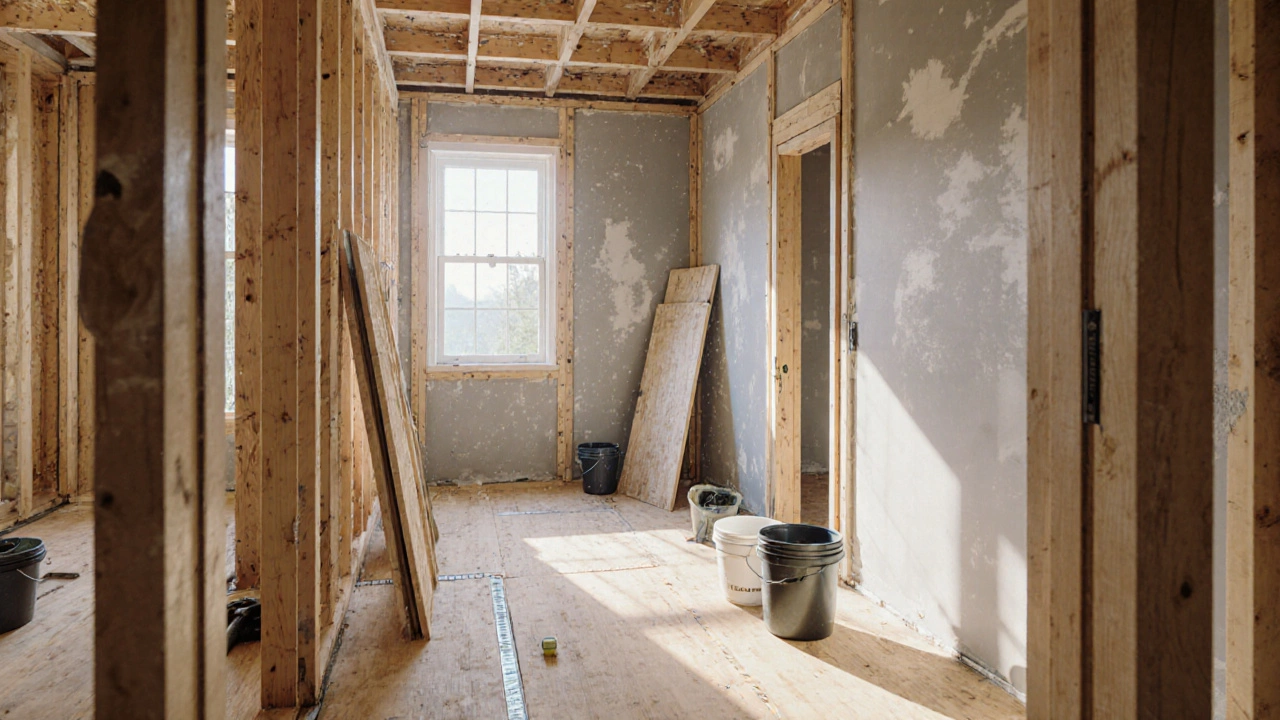
Do You Do Walls or Floor First in a Bathroom Remodel?
Learn why installing walls before the floor is the only correct order in a bathroom remodel. Avoid costly mistakes, water damage, and wasted materials with this proven step-by-step guide.

Optimal Seasons for Bathroom Remodeling Projects
Deciding the best time to remodel a bathroom involves considerations of weather, budget, contractor availability, and personal schedule. Spring and early fall are generally favored for such projects due to the mild weather. Winter and summer have their own pros and cons, with demand spikes and contractor availability being key factors. Planning ahead ensures smoother project execution and potential cost savings. This article explores various seasons to help determine the perfect time to undertake your bathroom renovation.