Bulb Efficiency: How Light Choices Save Money and Energy
When we talk about bulb efficiency, how much light a bulb produces for each watt of electricity it uses. Also known as lumens per watt, it’s the real measure of how smart your lighting choice is. A bulb that’s efficient doesn’t just last longer—it cuts your power bill, reduces heat buildup in rooms, and lowers your carbon footprint. You might not think much about the light above your kitchen sink, but that one bulb can add up to hundreds of dollars over ten years if it’s the wrong kind.
The big shift happened when LED bulbs, light-emitting diodes that use semiconductors to create light. Also known as solid-state lighting, they replaced old incandescent bulbs. Why? Because a 10-watt LED gives you the same brightness as a 60-watt incandescent. That’s 80% less energy. And while incandescents waste 90% of their power as heat, LEDs stay cool. You can feel the difference—touch an old bulb after it’s been on for an hour, then touch an LED. One’s warm, the other’s barely noticeable. That’s not magic. That’s physics. And it’s why countries are phasing out inefficient bulbs.
But efficiency isn’t just about watts. It’s about how the light fits your space. A bright, cool-white LED might be perfect for a garage or workspace, but too harsh for a bedroom. That’s why many modern LEDs now let you adjust color temperature—from warm yellow to daylight white. Some even sync with your phone or voice assistant. You’re not just buying a bulb. You’re buying control, comfort, and long-term savings. And if you’re renovating a kitchen or bathroom (as covered in posts about fridge placement or bathroom remodels), lighting efficiency ties directly into how well the whole room works. Poor lighting forces you to leave more lights on. Good lighting means you turn fewer on, and for less time.
It’s not just about LEDs, though. CFLs (compact fluorescent lamps) were the middle ground for a while, but they contain trace amounts of mercury, take time to warm up, and don’t dim well. Halogens are brighter than incandescents but still use way more power than LEDs. So when you’re looking at bulb efficiency, you’re really choosing between outdated tech and modern, smarter options. And the math is simple: lower energy use = lower bills = less strain on the grid.
That’s why the posts below cover everything from kitchen layouts to bathroom remodels—they all connect back to how you use light. Whether you’re trying to save $30,000 on a kitchen renovation or deciding where to put your fridge, lighting plays a silent but powerful role. You’ll find real cost breakdowns, practical tips, and honest comparisons. No fluff. Just what works in real homes, with real budgets. By the end, you’ll know exactly which bulbs to buy, where to install them, and why it’s not just a small change—it’s one of the easiest ways to cut costs for years to come.
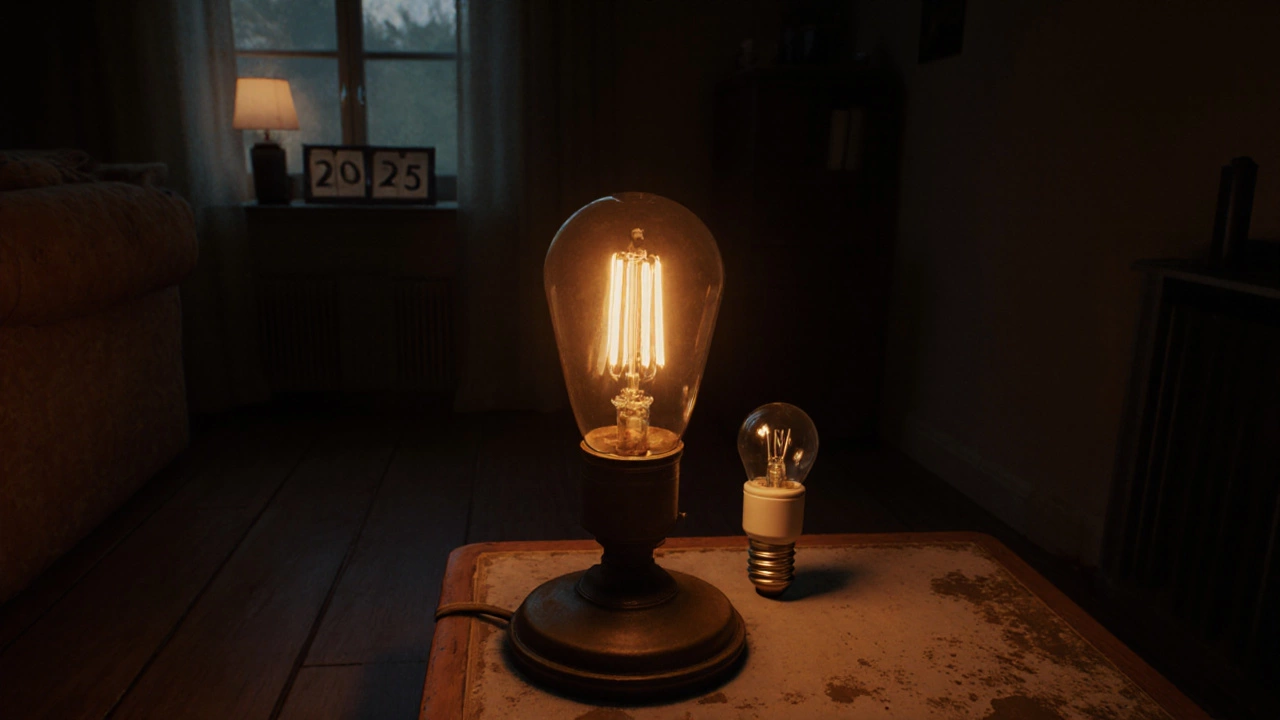
What Is the Most Inefficient Type of Residential Lighting?
Incandescent bulbs are the most inefficient residential lighting option, wasting over 90% of energy as heat. Switching to LEDs cuts lighting bills by up to 90% and lasts decades longer.