Civil Construction: What It Is, How It Works, and What You Need to Know
When we talk about civil construction, the process of building and maintaining public infrastructure like roads, bridges, water systems, and sewage networks. Also known as public works, it’s the backbone of every community—what keeps your water flowing, your cars moving, and your schools and hospitals connected to the grid. Unlike residential construction, which focuses on homes and comfort, civil construction is about scale, safety, and long-term function. It doesn’t end when the last brick is laid; it begins when the first shovel hits the ground and lasts decades through maintenance, upgrades, and repairs.
Civil construction encompasses infrastructure, the physical systems and structures that support daily life, and building codes, strict rules set by governments to ensure safety, accessibility, and durability. These aren’t suggestions—they’re legal requirements. A bridge must handle weight limits, a storm drain must move water faster than it rains, and a road must last 20+ years under heavy traffic. The materials used—concrete, steel, asphalt, geotextiles—are chosen for strength, not style. You won’t see marble countertops here, but you’ll see reinforced rebar, drainage layers, and compacted subgrades that most people never notice… until something breaks.
This kind of work doesn’t happen in isolation. It ties into construction materials, the raw resources like cement, aggregates, and recycled steel that form the foundation of every project, and it’s shaped by local geography, climate, and budget. A highway in New Zealand needs different drainage than one in Yorkshire. A sewage plant in Manchester must handle older pipe systems, while a new town in Scotland might start from scratch. That’s why civil projects vary so much—they’re not copy-paste jobs. They’re custom solutions built for real places with real problems.
What you’ll find in these posts aren’t fluff pieces. They’re real breakdowns of how things get built, why certain choices are made, and what happens when things go wrong. You’ll see how commercial and residential projects differ, why material costs spike, how licensing affects who can do what, and what makes a structure last—or fail. Whether you’re planning a project, just curious about how your town works, or considering a career in the field, this collection gives you the clear, no-nonsense facts behind the concrete.
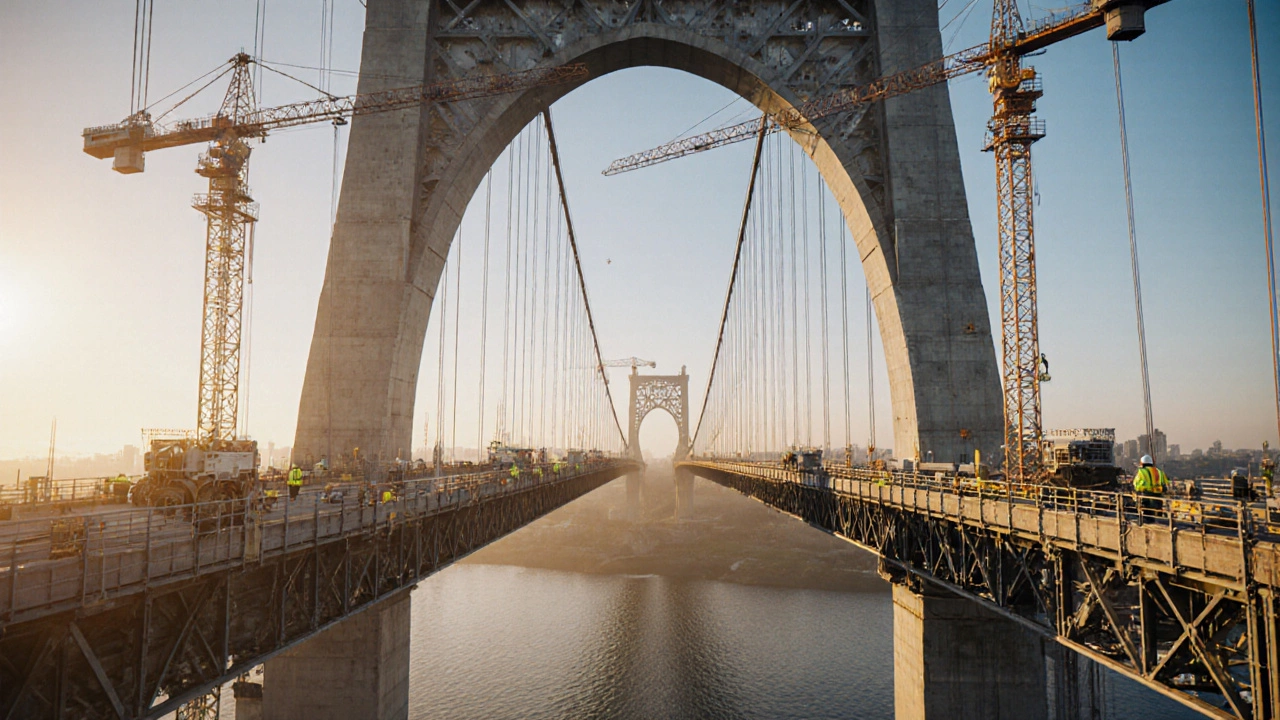
Civil vs Commercial Construction: Key Differences Explained
Explore the key differences between civil and commercial construction, from project purpose and funding to permits, design standards, and budgeting, with a handy checklist and FAQs.
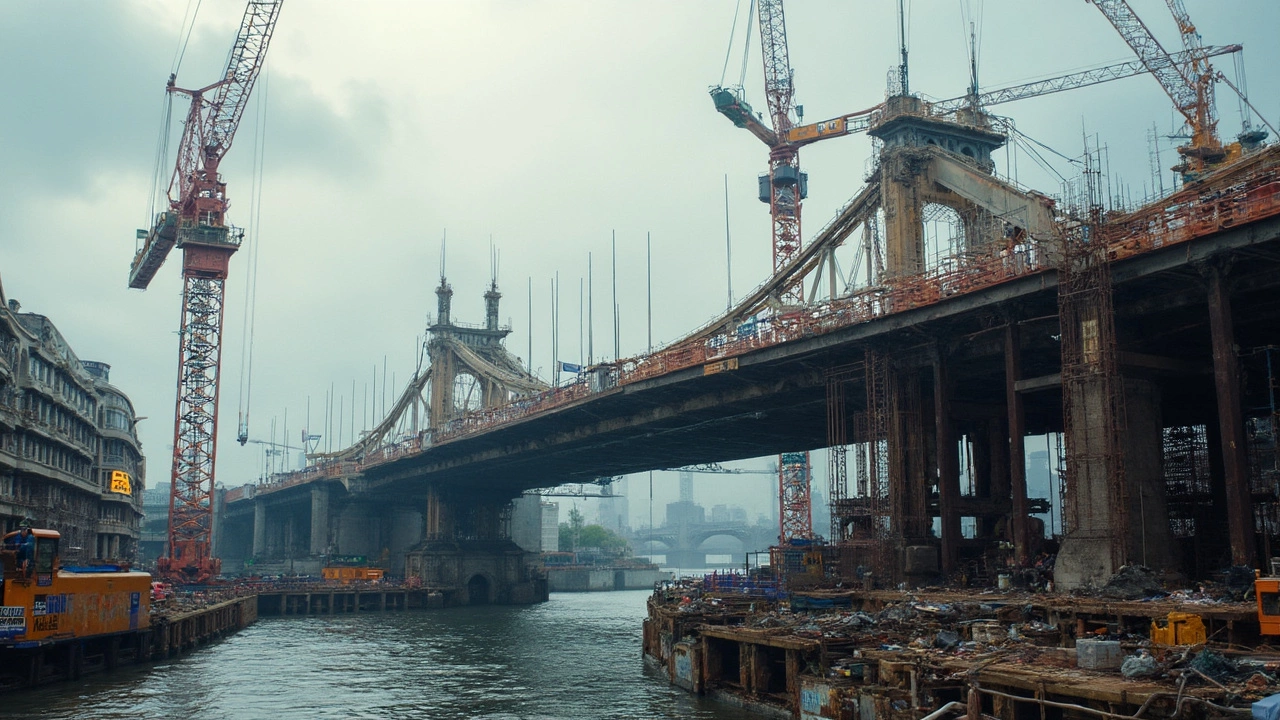
Understanding the Key Differences Between Civil and Commercial Construction
Ever wonder what truly sets apart civil construction from commercial construction? Whether you're planning a project or just curious, it's crucial to know the differences in focus, regulations, and execution. Civil construction primarily deals with infrastructure like roads and bridges, while commercial focuses on buildings for businesses. Each type involves unique skills, codes, and materials.