Luxury Flooring Material Selector
Find Your Perfect Luxury Flooring
Select your requirements to see which high-end flooring materials are ideal for your space
When you walk into a high-end home, the floor is often the first thing you notice-not because it’s flashy, but because it feels right. It’s quiet underfoot, warm in winter, and looks like it’s been there for decades, even if it was installed last month. So what’s really going on under those designer rugs? The answer isn’t one material. It’s a mix of tradition, performance, and quiet confidence.
Hardwood Floors Still Rule
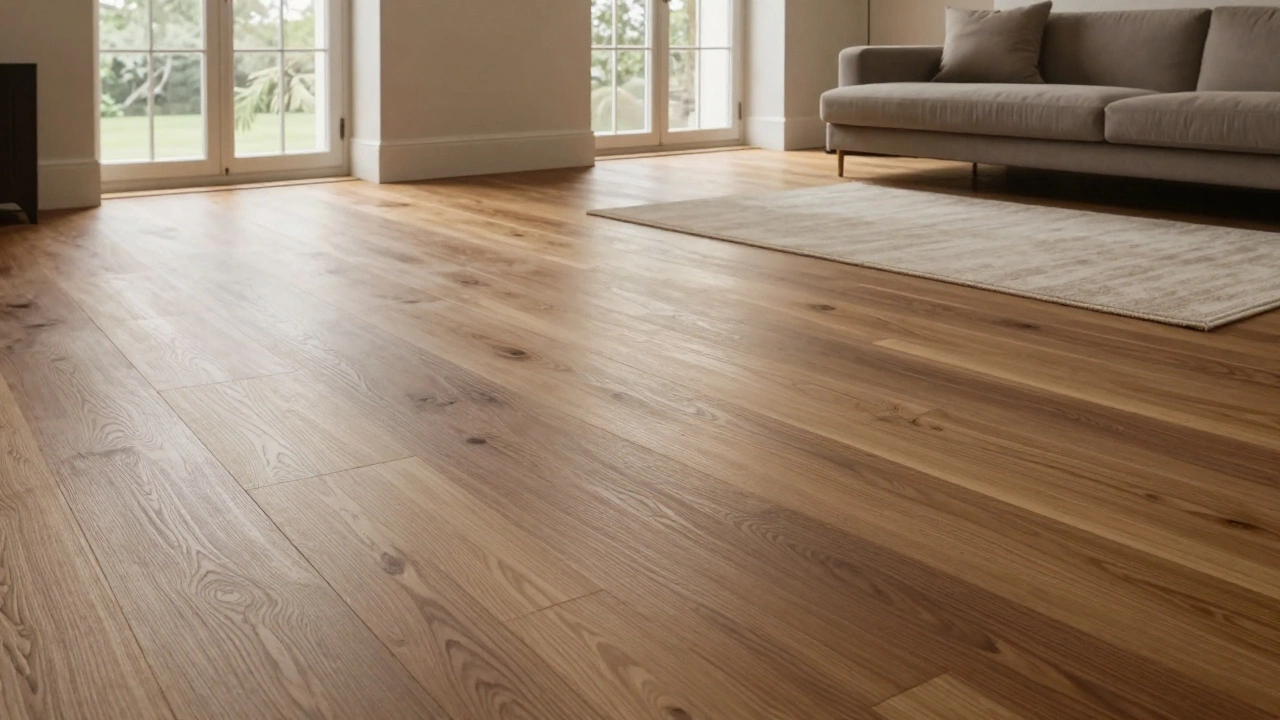
Real hardwood, especially oak, walnut, and ash, dominates luxury homes in North America, Europe, and New Zealand. Why? Because it lasts. A properly installed and maintained solid hardwood floor can outlive its owners. In Auckland, where humidity swings between dry summers and wet winters, installers now lean toward engineered wood-layers of real wood on top of a stable plywood core. It resists warping, handles underfloor heating, and looks identical to solid planks.
High-end homes don’t go for the cheapest grade. They choose select or premium grade lumber: fewer knots, consistent color, and long, uninterrupted planks. Width matters too. Wide planks-7 inches or more-are a sign of luxury. They reduce the number of seams, creating a seamless, gallery-like flow. Finish? Usually matte or satin. Glossy floors show every scratch, and in a home where people walk barefoot, that’s not a feature-it’s a flaw.
Marble and Natural Stone: For Statement Spaces
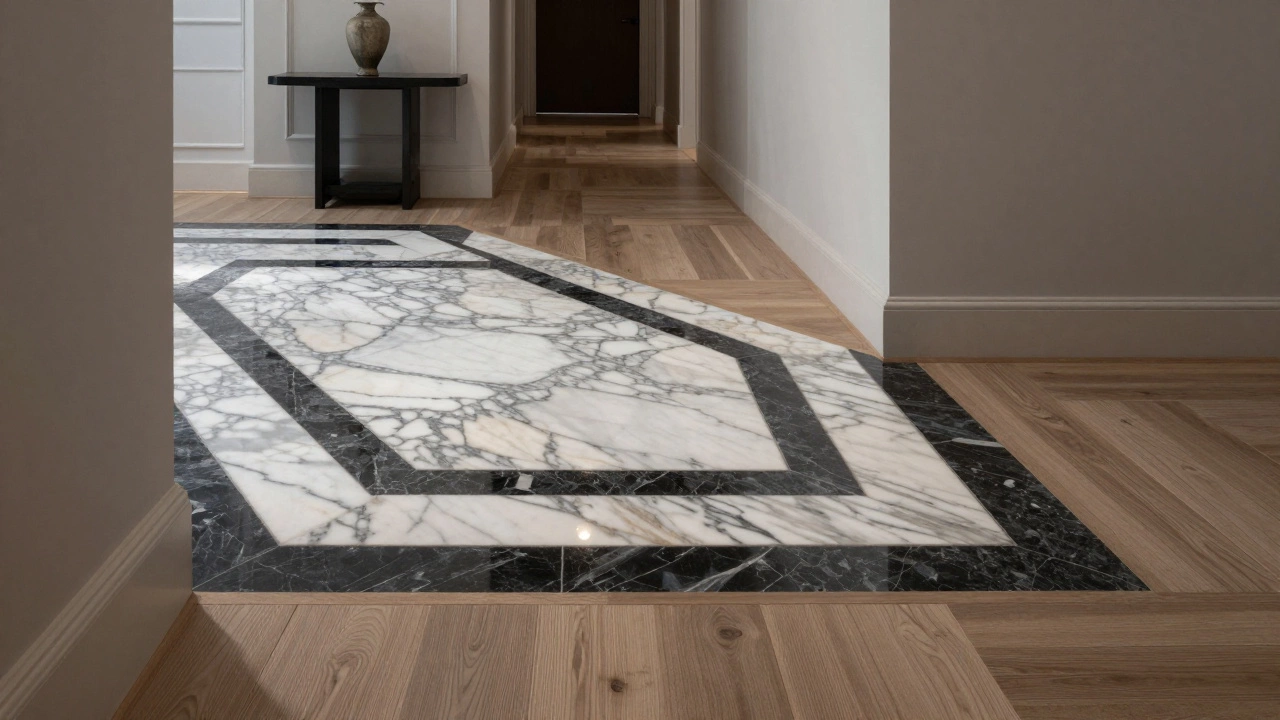
Marble isn’t just for bathrooms anymore. In luxury homes, it’s used in foyers, kitchens, and even living rooms. Carrara, Calacatta, and Nero Marquina are the big names. But here’s the catch: marble is soft. It etches from lemon juice, stains from red wine, and scratches if sand gets tracked in. That’s why it’s rarely used everywhere. It’s reserved for areas where foot traffic is controlled, or where the visual impact justifies the maintenance.
Polished marble gives a cool, elegant sheen. Honed marble is softer, more matte, and hides wear better. Many designers now mix marble with terrazzo-small chips of stone set in concrete-for a modern, textured look. In New Zealand, where natural stone is abundant, local quarries are increasingly supplying basalt and limestone for custom flooring that ties the home to its landscape.
Luxury Vinyl Plank (LVP) Is the Quiet Contender
If you think luxury flooring means expensive and fragile, think again. High-end luxury vinyl plank (LVP) has evolved so much that even architects are specifying it in million-dollar homes. Modern LVP has wood-look cores with realistic grain textures, cork backing for sound absorption, and waterproof cores that won’t swell if a wine bottle tips over.
It’s not about fooling anyone-it’s about performance. In homes with kids, pets, or aging residents, LVP offers durability without sacrificing beauty. Brands like Karndean, Mannington, and Shaw’s Designer Collection use real wood veneers scanned in 3D to replicate grain patterns down to the pore. You can’t tell it’s vinyl unless you touch it-and even then, the texture feels authentic.
Concrete and Polished Plaster: The Minimalist’s Choice
For modern luxury homes, especially in urban settings, polished concrete is a statement. It’s not the rough, industrial kind you see in warehouses. This is a smooth, mirror-like finish, ground down over days and sealed with high-gloss, non-slip coatings. It’s cool in summer, retains heat in winter, and requires almost no maintenance.
Some homes go even further with polished plaster floors-think Venetian plaster, but laid flat. These are hand-troweled, layered, and burnished to a soft glow. They’re expensive, labor-intensive, and not for everyone. But in a minimalist penthouse overlooking the Waitematā Harbour, they’re perfect. They reflect light, feel alive underfoot, and age gracefully with subtle patina.
Tile That Doesn’t Look Like Tile
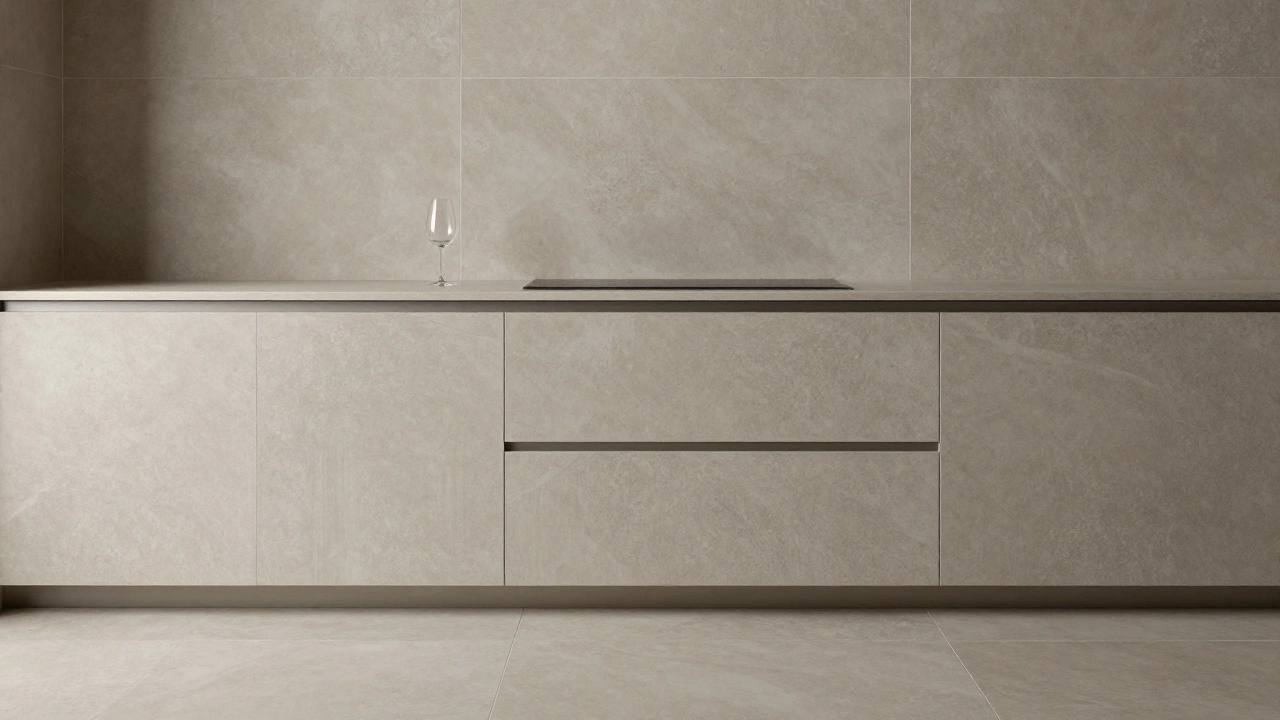
Porcelain tile has come a long way. Today’s high-end versions mimic stone, wood, even fabric. The trick is in the printing technology. Digital inkjet printers now lay down patterns with 4K precision, so each tile looks unique. No two tiles repeat, and the surface texture matches the visual design-rough for stone, smooth for wood.
Large-format tiles-24x48 inches or bigger-are popular. Fewer grout lines mean a cleaner, more continuous look. In bathrooms and kitchens, matte porcelain is preferred. Glossy tiles show water spots and fingerprints, which is the opposite of luxury. Many designers now use the same tile from floor to wall to create a seamless, spa-like feel.
What They Avoid
High-end homes don’t use carpet in main living areas. Even in bedrooms, it’s usually a low-pile, natural fiber rug-wool or silk-not wall-to-wall. Laminate is a no-go. It’s too thin, too synthetic, and doesn’t age well. Cheap vinyl? Forget it. It yellows, lifts at the edges, and looks cheap under natural light.
And no one uses tile in a bathroom and then wood in the hallway if the transition isn’t seamless. The best luxury homes treat flooring as a continuous design element, not a room-by-room decision.
Installation Matters More Than You Think
A $150-per-square-foot floor can look like $50 flooring if it’s poorly installed. That’s why high-end builders use certified installers who specialize in the material. Hardwood needs acclimation-72 hours in the room before laying. Marble requires a perfectly level subfloor and special adhesives. LVP needs expansion gaps and underlayment that matches the product’s specs.
Subfloor prep is where most projects fail. In Auckland, many homes sit on concrete slabs with moisture issues. A vapor barrier isn’t optional-it’s mandatory. Skip it, and your beautiful floor will cup, warp, or mildew within a year.
The Real Secret: Layering
The most luxurious homes don’t rely on one material. They layer. A wide-plank oak floor in the living room. A custom stone inlay in the entryway. A soft wool rug over concrete in the bedroom. A porcelain tile with a subtle pattern in the kitchen. Each material has a purpose, and each transition is intentional.
It’s not about spending the most. It’s about choosing the right material for the right space, and doing it with precision. That’s what separates a high-end floor from a fancy one.
Do high-end homes use carpet at all?
Yes, but not wall-to-wall. High-end homes use area rugs made from natural fibers like wool, silk, or cashmere. These are hand-knotted, often custom-designed, and placed strategically over hard floors to add warmth and texture. The rugs themselves can cost thousands, but they’re meant to be moved, cleaned, and replaced-not permanent fixtures.
Is engineered wood as durable as solid hardwood?
In most cases, yes. Engineered wood has a thick top layer of real wood (usually 3-6mm), which can be sanded and refinished multiple times. Its plywood core resists warping from humidity changes, making it more stable than solid wood in climates like Auckland’s. For homes with underfloor heating or high moisture levels, engineered wood is often the smarter choice.
Why is wide plank flooring considered more luxurious?
Wide planks create fewer seams, giving the floor a smoother, more continuous look. It mimics the feel of old-world floors, where planks were hand-sawn and laid in long runs. They also make rooms feel larger and more open. In luxury homes, where design is about calm and flow, wide planks reduce visual noise and add elegance.
Can you use marble on a kitchen floor?
Technically yes, but it’s risky. Marble is porous and etches easily from acidic foods and cleaners. Most high-end kitchens use honed marble with a high-quality sealer, or they use it only in low-traffic zones like an island base. Many designers now opt for porcelain that looks like marble but doesn’t stain or etch.
What’s the most low-maintenance luxury flooring option?
Luxury vinyl plank (LVP) with a rigid core and scratch-resistant coating. It’s waterproof, resists dents and stains, and doesn’t require refinishing. It looks like wood or stone, feels warm underfoot, and cleans with a damp mop. For homes with pets, kids, or busy lifestyles, it’s the quiet hero of luxury design.