Construction Methods: What Works, What Doesn’t, and Why It Matters
When you hear construction methods, the techniques and processes used to build structures, from foundations to roofs. Also known as building techniques, it’s not just about hammering nails—it’s about choosing the right system for safety, cost, and long-term performance. Whether you’re putting up a home, a shop, or a school, the method you pick shapes everything: how long it lasts, how much it costs, and even how safe it is in a storm or earthquake.
There’s a big difference between residential construction, building homes for families to live in and commercial construction, building spaces for business, retail, or public use. Homes are built for comfort, with wood framing, drywall, and finishes that feel warm. Commercial buildings? They’re built for durability, high foot traffic, and strict fire codes—think steel frames, concrete floors, and heavy-duty HVAC systems. You can’t use the same method for both without risking code violations or structural failure. And then there’s building materials, the actual stuff you use to build—wood, steel, concrete, insulation, and more. Choosing the wrong material can mean higher energy bills, mold problems, or even cracks in your foundation after just a few years. Some materials are cheaper upfront but cost more over time. Others, like insulated concrete forms or cross-laminated timber, are pricier at first but save money for decades.
It’s not just about what you build with—it’s about who builds it and how. construction licensing, the legal permission required to carry out professional building work ensures the people on site know the codes, safety rules, and best practices. Skip the licensed contractor, and you might end up with a house that doesn’t pass inspection, won’t get insured, or can’t be sold later. Many people think they can save money by DIYing major work, but a bad foundation or improper wiring can cost ten times more to fix than hiring a pro from the start.
What you’ll find in the posts below isn’t theory—it’s real talk from people who’ve been through it. Whether you’re wondering why walls go up before floors in a bathroom remodel, or how new build homes compare to buying existing ones, or what materials actually make sense in 2025, the answers are here. You’ll see what works in UK homes, what doesn’t fly in commercial spaces, and why some methods are fading out while others are taking over. No fluff. No guesswork. Just what you need to make smarter choices—whether you’re planning a kitchen upgrade, a full renovation, or thinking about building from scratch.
Understanding Common Types of Commercial Building Constructions
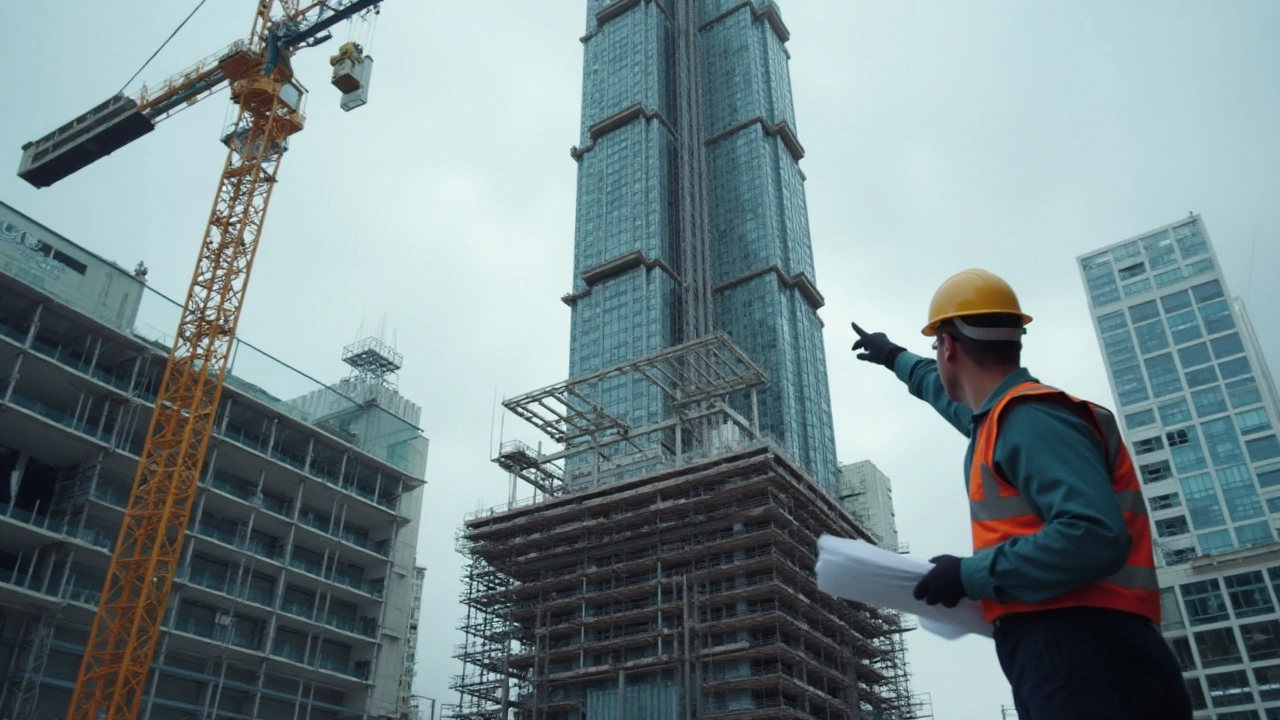
Commercial buildings are designed with specific construction methods and materials tailored to their intended function and location. From steel-frame skyscrapers to precast concrete retail spaces, the type of construction is crucial in ensuring durability and functionality. This article explores the most prevalent construction types used in commercial buildings today, offering insights into their advantages and specific application areas. Readers will also find tips and important considerations for selecting the suitable construction method for a commercial project.