Construction Tips: Practical Advice for Smarter Home and Building Projects
When you’re planning a construction, the process of building or renovating a structure, from foundations to finishes. Also known as building, it’s not just about hammering nails—it’s about making smart choices that save time, money, and stress later. Whether you’re adding a room, redoing a kitchen, or starting from scratch, the best construction tips come from real experience, not just theory. Too many people jump in without knowing the basics, only to hit costly surprises down the line.
Good construction starts with understanding the difference between residential construction, building homes meant for living, with comfort and personalization in mind and commercial construction, structures built for business use, where safety, traffic flow, and durability come first. You wouldn’t build a kitchen the same way for a family home as you would for a restaurant. Materials matter too—building materials, the physical components used in construction, from lumber and concrete to insulation and drywall—aren’t one-size-fits-all. Choosing the wrong type can lead to moisture problems, poor insulation, or even structural issues years later. And let’s not forget timing: doing walls before floors in a bathroom? That’s not a suggestion—it’s a rule to avoid water damage. These aren’t opinions. They’re proven steps that keep projects on track.
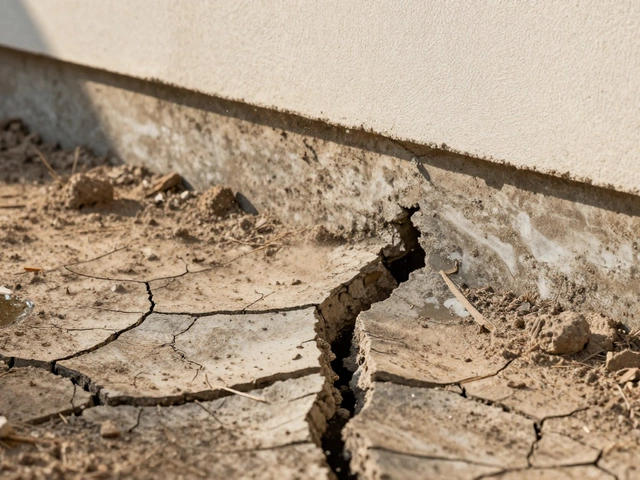
Some of the biggest mistakes happen because people assume trends equal truth. A fancy open-plan kitchen might look great in a magazine, but if your fridge is stuck in a corner because you didn’t plan the workflow, you’ll hate it by week three. Same with lighting—switching from old incandescent bulbs to LEDs isn’t just eco-friendly, it cuts your bill by up to 90%. Real construction tips are about function first, style second. They’re about knowing when to hire a pro and when you can do it yourself. They’re about understanding that a house can still settle after 20 years, and that’s normal—but only if you know how to spot the warning signs.
Below, you’ll find clear, no-fluff guides on everything from bathroom layouts to kitchen budgets, from material costs to licensing rules. These aren’t generic lists. Each post comes from real projects, real mistakes, and real solutions—whether you’re in the UK, New Zealand, or anywhere else. No jargon. No hype. Just what actually works when you’re trying to build something that lasts.

Understanding the Differences Between Commercial and Residential Construction
Commercial and residential construction projects each come with their own sets of challenges and requirements. While both aim to create functional and appealing buildings, they differ in scale, purpose, and design complexities. From zoning laws to material choice, understanding these differences helps stakeholders make informed decisions. This article delves into how commercial and residential construction projects differ, providing valuable insights for anyone involved in the industry.