Cracked Foundation: Signs, Causes, and Real Solutions
When you spot a cracked foundation, a visible break or split in the concrete or masonry base of a building that can signal structural stress or ground movement. Also known as foundation settlement cracks, it’s one of the most common—and often misunderstood—problems in older homes. Not every crack means disaster. Some are harmless hairline splits from normal drying. Others? They’re warning signs your house is shifting in ways that need attention.
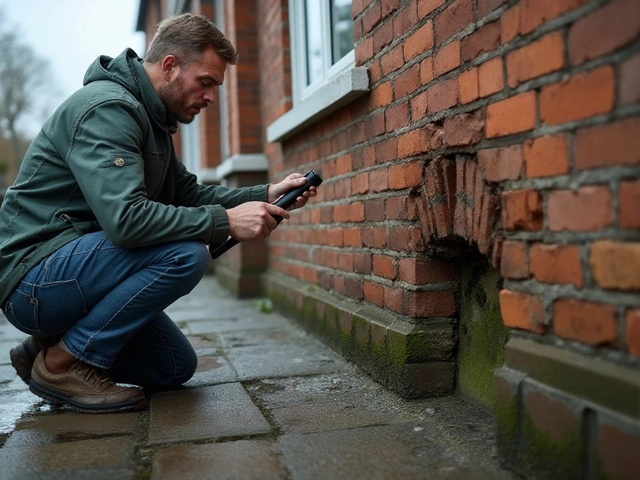
A foundation movement, the gradual or sudden displacement of a building’s base due to soil changes, water exposure, or poor construction often causes these cracks. It’s not magic—it’s physics. Dry soil shrinks. Wet soil swells. Tree roots grow. Poor drainage floods the base. All of this puts pressure on the concrete. You’ll see different patterns: vertical cracks usually mean settling, stair-step cracks in brick suggest uneven sinking, and wide horizontal cracks? That’s serious—often tied to soil pressure pushing against walls.
And it’s not just about age. Even homes built 20 years ago can still settle. That’s because soil doesn’t stop moving. Heavy rain, nearby construction, or even a leaking pipe under the slab can trigger new movement. The house settlement, the process where a building slowly sinks or shifts over time due to ground conditions doesn’t stop after the first five years. It can creep up decades later, especially if the original build didn’t account for local soil behavior.
What you see on the surface tells only part of the story. Behind that crack might be a weakened footer, corroded steel, or water damage eating away at the base. That’s why DIY fixes like epoxy injections or paint-over patches rarely solve the root issue. Real foundation repair, professional methods to stabilize or restore a damaged building base, including piering, underpinning, or slab jacking requires knowing the cause—not just covering the symptom.
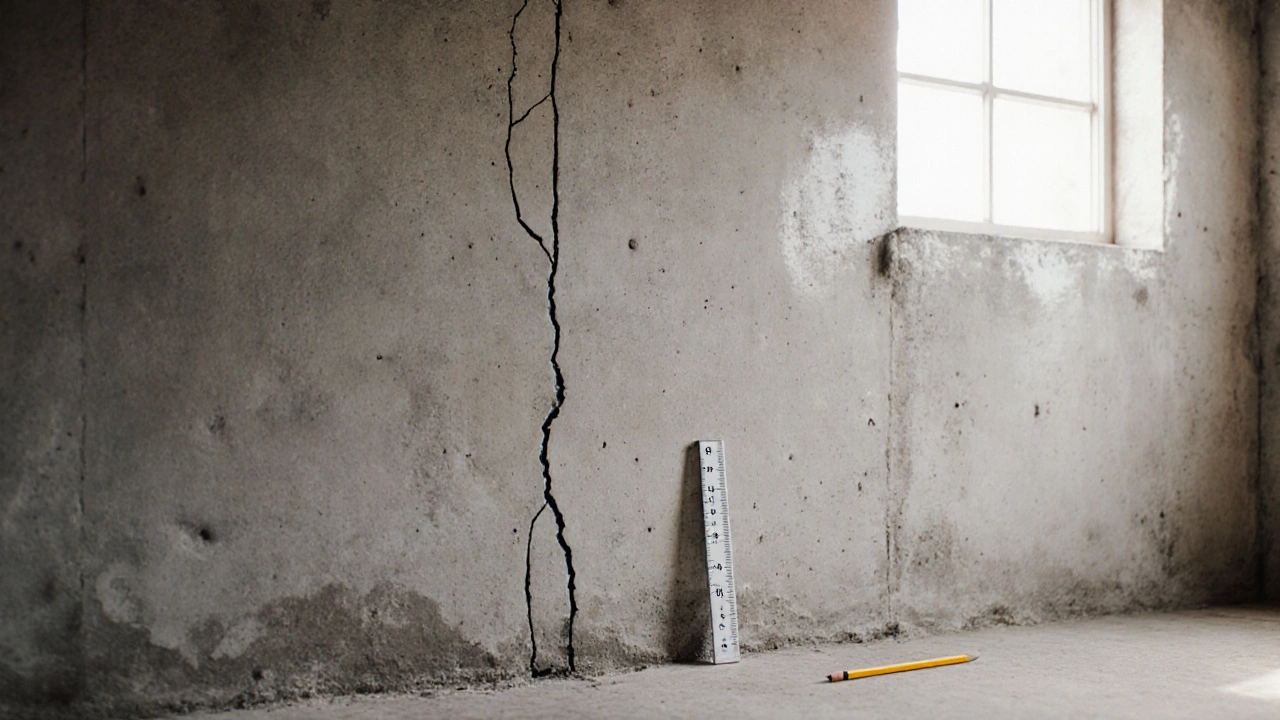
Some cracks are just cosmetic. Others need immediate action. How do you tell the difference? Look at the width. If it’s wider than a credit card, or if it’s growing, or if doors and windows suddenly stick, you’re not just dealing with a crack—you’re dealing with a structural shift. And that’s when you call in someone who’s seen this before.
Below, you’ll find real-world guides that break down what causes these cracks, how to spot the dangerous ones early, and what actually works when it’s time to fix them. No fluff. No scare tactics. Just clear answers from people who’ve been in the trenches—repairing foundations, diagnosing movement, and helping homeowners avoid costly mistakes.
Can You Live in a House with a Cracked Foundation? What You Need to Know Now
Living with a cracked foundation is possible-but only if you know the difference between harmless cracks and dangerous structural damage. Learn the signs, costs, and when to act before it's too late.