Designer Roles: What They Do and How They Shape Your Space
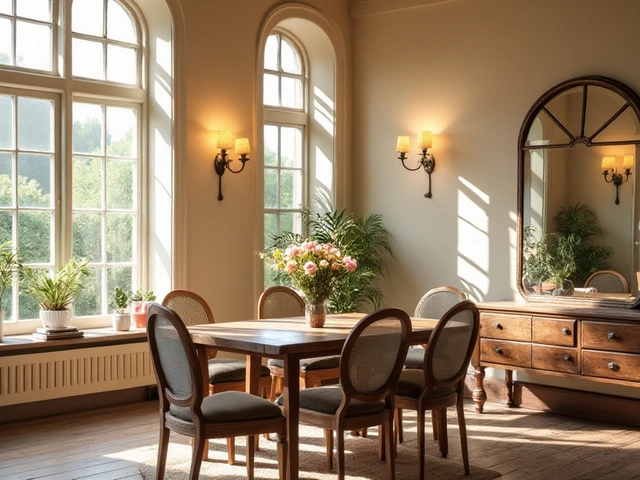
When you think of designer roles, professional positions focused on shaping how spaces look, feel, and function. Also known as spatial designers, they’re the ones who turn empty rooms into places you want to live, work, or relax in. It’s not just about picking paint colors or sofas. Real designer roles blend art, science, and practical problem-solving to make buildings work better for people.
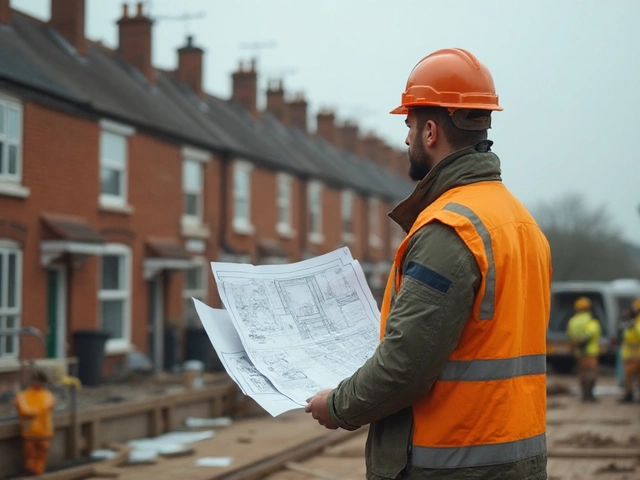
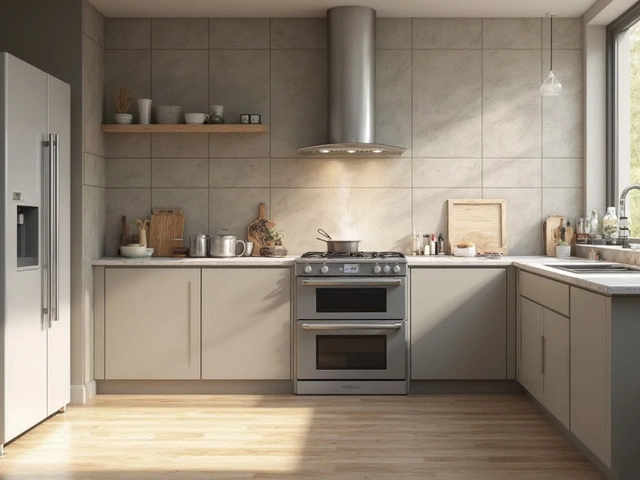
Take the interior designer, a professional who plans and coordinates the interior layout, materials, lighting, and finishes of a space. They don’t just make things pretty—they figure out how to fit a fridge in a tiny kitchen, how to keep a bathroom dry, or how to make a living room feel bigger without adding square footage. Then there’s the construction designer, someone who works closely with builders to translate ideas into buildable plans that meet codes and budgets. This person doesn’t just sketch a cool ceiling—they calculate load weights, pick materials that won’t crack in winter, and make sure the stairs won’t trip someone. These roles overlap, but they’re not the same. One focuses on how a space feels; the other focuses on whether it’ll stand up for 50 years.
Many people assume designer roles are all about trends—like that one Instagram-worthy backsplash or the latest color of the year. But the posts here show something else: real designer work is about flow, function, and long-term value. It’s why fridge placement matters more than a fancy light fixture. It’s why knowing the difference between modern and contemporary design helps you avoid buying something that’ll look dated in two years. It’s why building a house isn’t just about choosing finishes—it’s about understanding zoning, permits, and how materials behave over time.
These roles aren’t just for big projects. Whether you’re remodeling a bathroom for $10,000 or deciding if you should buy or build in 2025, designer roles shape the outcome. They help you avoid costly mistakes—like putting tile down before the walls, or picking a door color that clashes with natural light. The best designers don’t push their style—they listen, adapt, and solve.
What you’ll find below isn’t a list of job titles. It’s a collection of real-world questions people actually ask when they’re trying to get their space right. From what makes a building commercial versus industrial, to how much a kitchen remodel really costs, these posts cut through the noise. They show you what matters when you’re making decisions—whether you’re hiring a pro or doing it yourself. No fluff. Just clear, practical answers from people who’ve seen what works—and what doesn’t.

The Role of Interior Designers: Beyond Mere Decoration
Interior designers do much more than just beautify spaces. Their work involves creating functional and safe environments while considering aesthetics. They also collaborate closely with clients and architects, adhering to building codes and regulations. This article delves into the multifaceted role of interior designers, dispelling the myth that they only decorate.