Dining Room Layout: Smart Designs for Better Flow and Function
When you think about a dining room layout, the arrangement of furniture and space meant for eating and gathering. Also known as dining area design, it’s not just about fitting a table and chairs—it’s about how people move, talk, and live in that space. Too many people treat it like an afterthought, but a bad layout can turn dinner into a chore. Imagine trying to serve food while bumping into the fridge, or squeezing past a chair that’s stuck in the middle of the walkway. That’s not hospitality—that’s obstacle course training.
A good dining room layout starts with clear paths. You need at least 36 inches of space around the table so people can pull out chairs without knocking over lamps or tripping over rugs. If your dining area connects to the kitchen dining area, make sure the doorway doesn’t swing right into the table. That’s a classic mistake. And don’t forget lighting—your dining table placement should sit under a fixture that hangs low enough to feel intimate but high enough to avoid head bumps. A chandelier 30 to 36 inches above the table is the sweet spot.
Size matters, but so does shape. A rectangular table works best in narrow rooms, while round or oval tables soften corners and make conversation flow easier. If you have a small space, consider a drop-leaf or extendable table. You don’t need a full 10-foot table every night. And if your dining area shares space with the living room, use area rugs or furniture positioning to define zones without walls. A rug that’s big enough to fit all four front legs of each chair keeps the space feeling unified.
People forget that the dining room isn’t just for meals. It’s where birthdays are celebrated, homework gets done, and family arguments happen. That’s why clutter is the enemy. Keep sideboards and buffets functional—not decorative. If you’re not using that china cabinet every week, it’s just a fancy shelf. And if your chairs are uncomfortable, no amount of pretty tableware will fix it. Prioritize comfort over style.
There’s no one-size-fits-all solution. What works in a 200-square-foot apartment won’t fit a 400-square-foot farmhouse. But the rules stay the same: clear paths, smart scale, and real-life use. The best layouts aren’t designed by Instagram influencers—they’re designed by people who actually eat dinner in their homes.
Below, you’ll find real advice from people who’ve been there—whether it’s fixing a cramped corner, choosing the right table size, or making the most of an open-plan home. No fluff. No trends. Just what actually works when the kids are running around and the gravy’s getting cold.
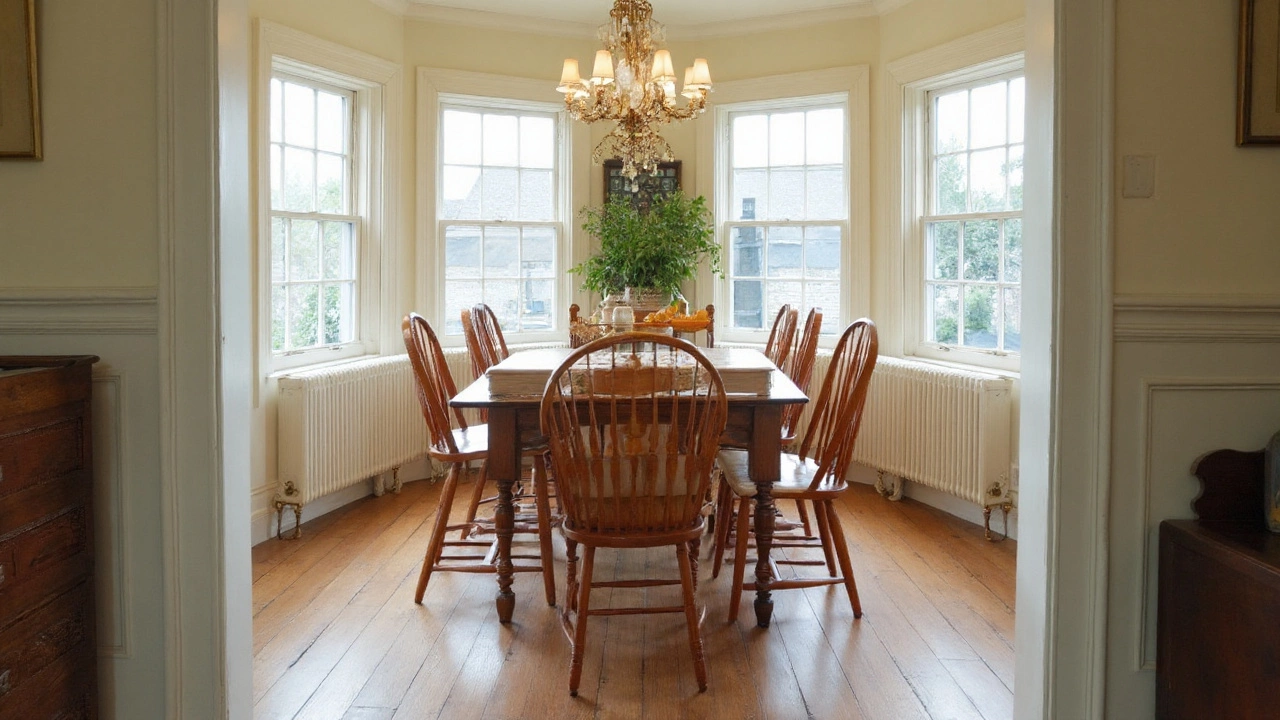
Sideboard Size vs Dining Table: Rules, Clearances, and Visual Balance
Exact rules for sizing a sideboard to your dining table: lengths, heights, depth, and clearance distances. Metric & inches, examples, checklists, and pro tips.