Dining Room Lighting: Best Ideas, Trends, and How to Get It Right
When it comes to dining room lighting, the type of light you choose sets the mood, defines the space, and affects how food looks and how people feel. Also known as table lighting or ambient dining illumination, it’s not just about brightness—it’s about warmth, direction, and rhythm. A poorly lit dining area feels cold and uninviting. The right lighting makes meals feel special, conversations easier, and your space feel intentionally designed.
Most people think dining room lighting means one big chandelier. But that’s just one piece. Real success comes from layering: ambient lighting, the overall glow that fills the room from ceiling fixtures or recessed lights, task lighting, focused light over the table for reading menus or seeing your food clearly, and accent lighting, highlighting artwork, architectural details, or a sideboard. These three layers work together. Skip one, and your space feels off.
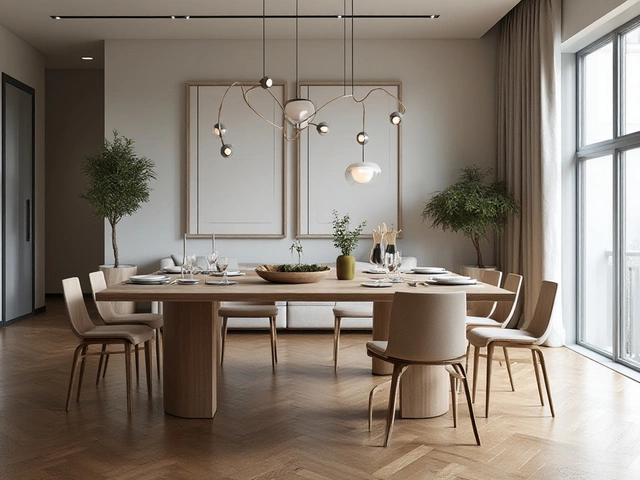
Today’s top trends aren’t about fancy materials—they’re about control and comfort. Dimmable LED lighting, a modern standard that saves energy and lasts years is now the go-to. It lets you shift from bright white for cleaning to soft amber for dinner. Pendant lights over the table are still popular, but now they’re smaller, more varied in shape, and often grouped in threes or fives. And no, you don’t need a matching fixture to the kitchen. Your dining room can have its own personality.
Where you hang the light matters just as much as what you hang. The bottom of your fixture should sit about 30 to 36 inches above the table. Too low, and you’re blinding guests. Too high, and it feels disconnected from the meal. If your table is long, try two smaller pendants instead of one big one. It’s more balanced, and it gives you more flexibility with placement.
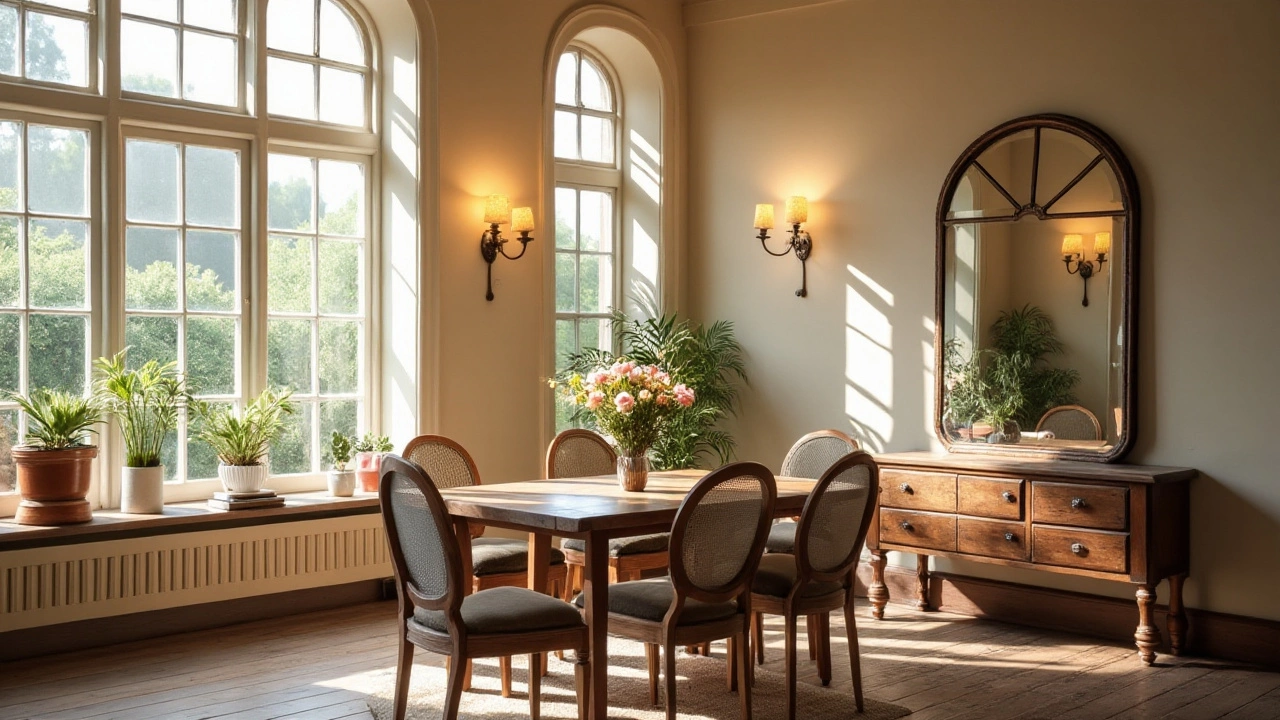
Don’t forget the walls. A pair of wall sconces on either side of a sideboard or buffet adds depth and makes the room feel bigger. And if you’ve got a mirror? Light it. Reflections multiply the glow and make the space feel more alive.
Some people still use old incandescent bulbs because they like the color. But those bulbs waste over 90% of their energy as heat. Switching to LED doesn’t mean losing warmth—it means getting better control. Look for LEDs labeled 2700K to 3000K. That’s the sweet spot: cozy, not yellow, not clinical.
What you’ll find in the posts below are real answers to real problems: why your current fixture feels wrong, how to pick the right size for your table, whether you should match your kitchen lighting, and what the most inefficient options still out there are. No fluff. No trends for trends’ sake. Just clear, practical advice from people who’ve done this before—and fixed the mistakes.
Brilliant Ways to Illuminate Your Dining Room with Style
Brightening up a dining room isn't just about flipping on a switch; it’s about creating an inviting space that enhances mealtime experiences. From mastering natural light to choosing perfect fixtures, there are various creative strategies to add warmth and brightness to your dining area. Explore how mirrors, colors, and light layering work together to transform your dining space into a luminous haven. Let’s delve into ways to make your dining room feel both vibrant and cozy.