DIY Bathroom Renovation: What Actually Works (and What Doesn’t)
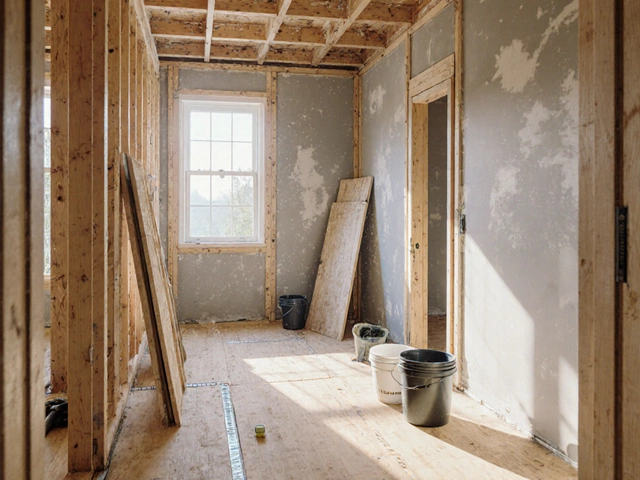
When you tackle a DIY bathroom renovation, a home improvement project where homeowners handle remodeling tasks themselves, often to save money and gain control over design choices. Also known as home bathroom upgrade, it’s one of the most common ways people add value to their homes—but also one of the most likely to go wrong if you skip the basics. Most people jump straight into demo mode, but the real secret isn’t tools or tiles—it’s order. Installing walls before the floor isn’t just a suggestion; it’s the only way to stop water from sneaking under your new tiles and rotting your subfloor. Skip that step, and you’re not saving money—you’re setting up a future repair bill that could cost ten times what you planned.
Another thing people get wrong? Assuming all materials are equal. A $500 vanity from a big-box store might look fine on Instagram, but if it’s made of particleboard and thin laminate, it’ll swell and warp in a humid bathroom within two years. Real durability comes from moisture-resistant materials: cement board behind tiles, waterproof adhesive, and solid wood or composite vanities with sealed edges. You don’t need to buy luxury brands, but you do need to know what holds up to steam, splashes, and daily use. And don’t forget ventilation—without a proper exhaust fan, mold grows fast, and paint peels even if everything else is perfect.
Then there’s the hidden rhythm of the job: bathroom remodel, the full process of updating a bathroom’s layout, fixtures, and finishes, often involving plumbing, electrical, and structural changes, isn’t just about swapping out a tub. It’s about flow. Where you put the sink, toilet, and shower affects how people move through the space. A cramped layout might look stylish in a magazine, but if you can’t open the shower door without hitting the sink, you’ll hate it by week three. That’s why real pros start with a layout sketch—not a Pinterest board.
And let’s talk about bathroom tiling sequence, the specific order in which tiles are laid—walls before floors, back walls before front, and grout lines aligned to create visual balance. Lay the floor first, and you’ll end up chipping the tiles when you haul in heavy materials or step on them with dirty boots. Lay the walls wrong, and your bottom row won’t line up with the tub or shower base. It’s not magic—it’s math, planning, and a level you actually use. Most tutorials skip this part because it’s boring. But boring is what keeps your bathroom from falling apart.
You’ll also see posts about bathroom renovation order, the logical sequence of tasks—from shutting off water and removing old fixtures, to rough-in plumbing, insulation, drywall, tiling, and final fixture installation. It’s not optional. Do electrical before walls. Do plumbing before insulation. Do waterproofing before tiles. Every step depends on the last. Mess this up, and you’re tearing walls open again. No one wants that.
What you’ll find below isn’t fluff. It’s real advice from people who’ve done it—right and wrong. You’ll see how much a full bathroom renovation actually costs, why some DIYers regret skipping permits, and how to pick a layout that works for your body, not just your aesthetic. No hype. No overpriced tools. Just what you need to know before you start swinging a hammer.
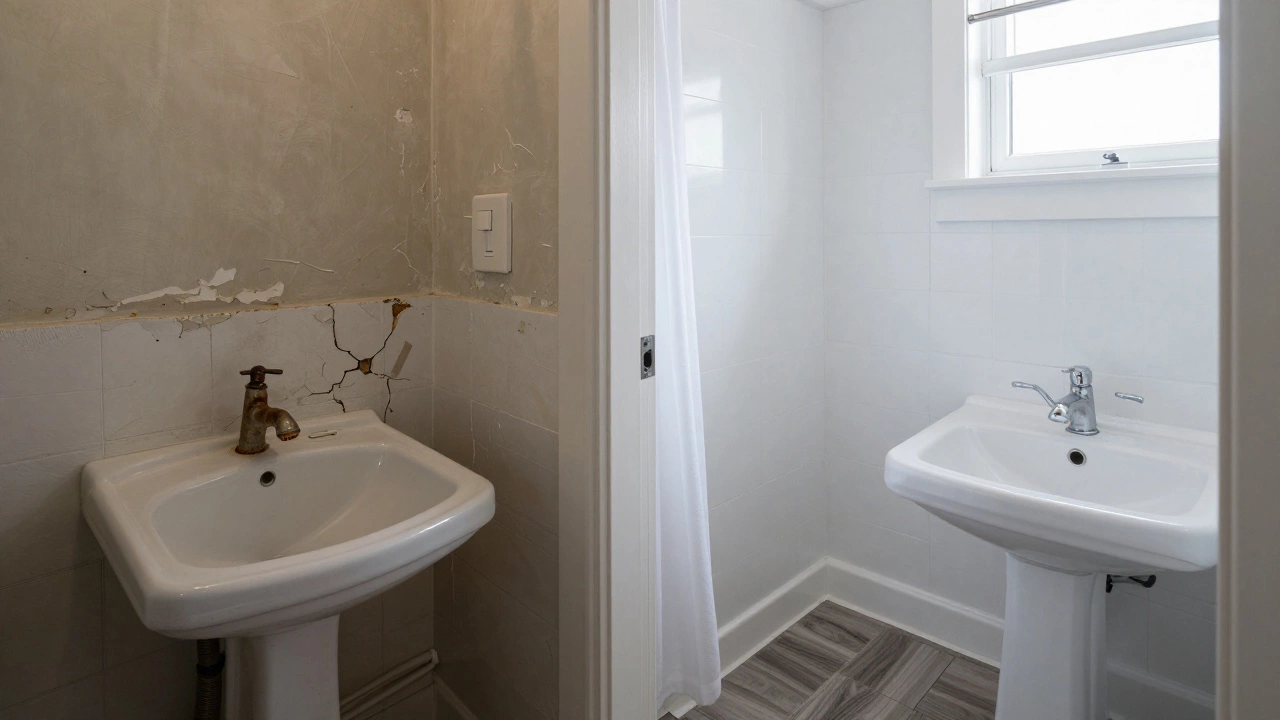
How to Renovate a Bathroom Cheaply: Smart Upgrades That Save Money
You don't need a big budget to transform your bathroom. Learn how to upgrade fixtures, paint walls, install affordable flooring, and avoid costly mistakes-all for under $1,500.
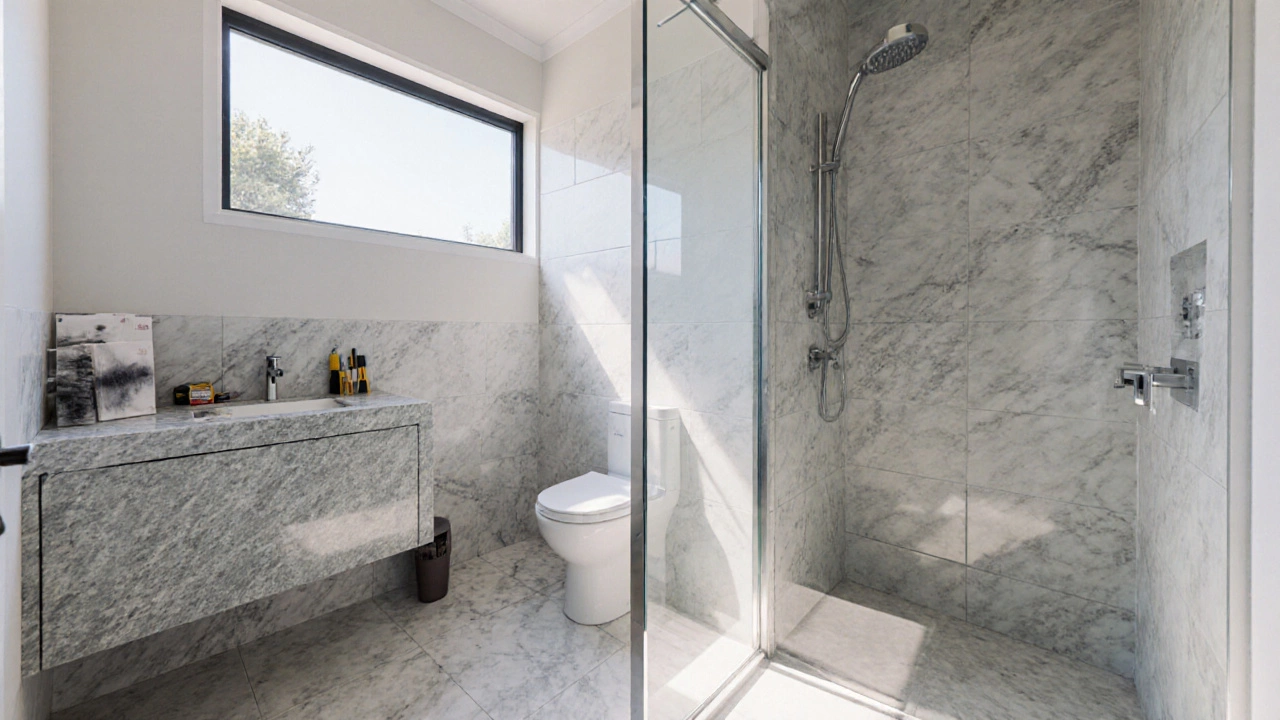
Can You Renovate a Bathroom for $10,000? A Realistic Breakdown
Yes, you can renovate a bathroom for $10,000 in New Zealand with smart choices. This guide breaks down real costs, where to save, what to splurge on, and how to avoid costly mistakes.