Energy Waste: How Poor Design and Construction Drain Your Home’s Efficiency
When your heating bill spikes in winter or your AC runs nonstop in summer, you’re not just paying for comfort—you’re paying for energy waste, the loss of usable power due to inefficient building design, poor materials, or faulty installation. Also known as thermal leakage, it happens when heat escapes through gaps, weak insulation, or poorly placed windows—something many homeowners don’t even notice until it’s too late.
Most home insulation, the material used to reduce heat transfer between the inside and outside of a building fails not because it’s cheap, but because it’s installed wrong. A gap behind a wall, an unsealed duct, or a window frame with no weatherstripping can drain as much energy as leaving a window open all winter. And it’s not just insulation—construction materials, the physical components used to build a home, including walls, roofs, and foundations matter too. Older homes built with single-pane glass or thin wood framing are energy hogs. Even new builds can be wasteful if they cut corners on air sealing or use low-quality windows just to save a few bucks upfront.
Then there’s the HVAC systems, the equipment that controls heating, ventilation, and air conditioning in a building. A high-end furnace won’t help if it’s pumping air through leaky ducts buried in an unconditioned attic. That’s why you’ll find posts here about fridge placement in kitchens—yes, even that affects energy use. If your fridge sits next to the oven or in direct sunlight, it works harder. Same with how you layout a bathroom or where you put your thermostat. These aren’t just design choices—they’re energy decisions.
People think energy waste is about buying solar panels or smart thermostats. But the real fix starts with how a house is built—or rebuilt. The posts below show you exactly where energy leaks hide: in kitchen layouts, in bathroom tiling sequences, in how walls and floors are ordered during renovation. You’ll see how simple changes—like sealing gaps around pipes or choosing the right window type—cut bills without breaking the bank. No fluff. No theory. Just real examples from real homes that were wasting power and how they got it back.
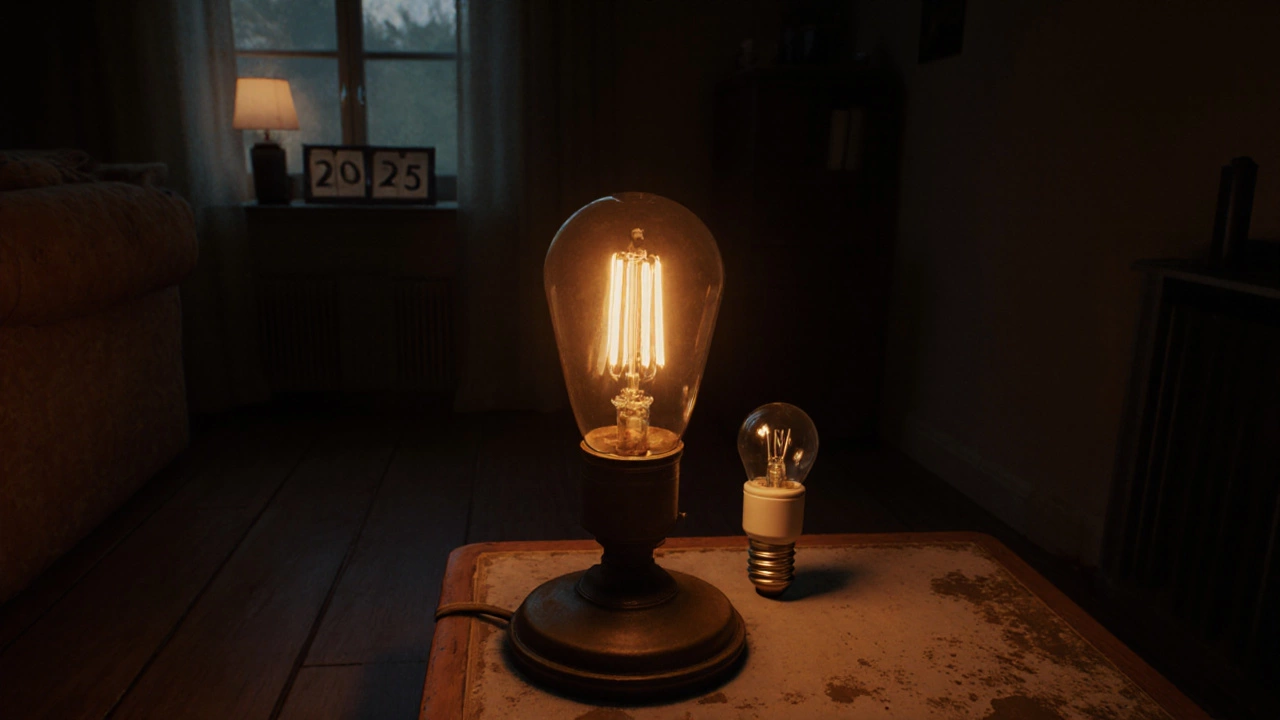
What Is the Most Inefficient Type of Residential Lighting?
Incandescent bulbs are the most inefficient residential lighting option, wasting over 90% of energy as heat. Switching to LEDs cuts lighting bills by up to 90% and lasts decades longer.