Farmhouse Flooring: Realistic Styles, Materials, and What Works in 2025
When people talk about farmhouse flooring, a style of flooring that combines rustic charm with practical durability, often using natural materials like wood and stone. Also known as rustic flooring, it’s not just about looking old—it’s about feeling lived-in in a way that still works for modern life. It’s not the same as vintage or shabby chic. You don’t need distress marks or painted finishes to get it right. Real farmhouse flooring is about honesty in materials: wood that shows its grain, planks that vary slightly in width, and finishes that protect without hiding the natural character.
Most people think hardwood flooring, solid or engineered wood planks used in homes for their natural beauty and long-term value is the only option, but that’s not quite true. Many modern farmhouse spaces use reclaimed wood, salvaged timber from old barns, factories, or warehouses, repurposed for flooring with visible wear and history because it adds depth you can’t fake. It’s not just about looks—it’s about sustainability and texture. And if you’re worried about scratches or moisture, wide plank flooring, flooring boards that are significantly wider than standard, often 5 inches or more, creating a seamless, open look is the real winner. Fewer seams mean less dirt buildup and a cleaner, more calming feel. You’ll see it in homes where people want to reduce visual clutter without giving up warmth.
The biggest mistake? Trying to match everything perfectly. Farmhouse isn’t about uniformity. It’s about layers—differences in tone, grain, and wear that tell a story. That’s why mixing species like oak and pine, or blending matte and satin finishes, often works better than going all-in on one look. And don’t forget the subfloor. Even the prettiest wood will warp or creak if it’s not installed over a stable base. You don’t need fancy tools, but you do need to understand how the wood moves with humidity. That’s why so many homeowners now choose engineered wood over solid—it’s more stable in kitchens and basements where temperature swings are common.
What you won’t find in real farmhouse homes? Glossy laminate that looks like wood but feels plastic. Or tiny, uniform tiles that make the space feel like a bathroom. Farmhouse flooring should feel grounded, not polished. It should stand up to muddy boots, pet claws, and kids running through the kitchen. The best versions age gracefully, getting richer over time instead of looking worn out.
Below, you’ll find real examples of what works—and what doesn’t—in today’s homes. From budget-friendly alternatives to high-end reclaimed options, these posts cut through the noise and show you exactly what to look for when you’re ready to install or replace your floor.
What Flooring Does Joanna Gaines Use? Real Choices from Her Renovations
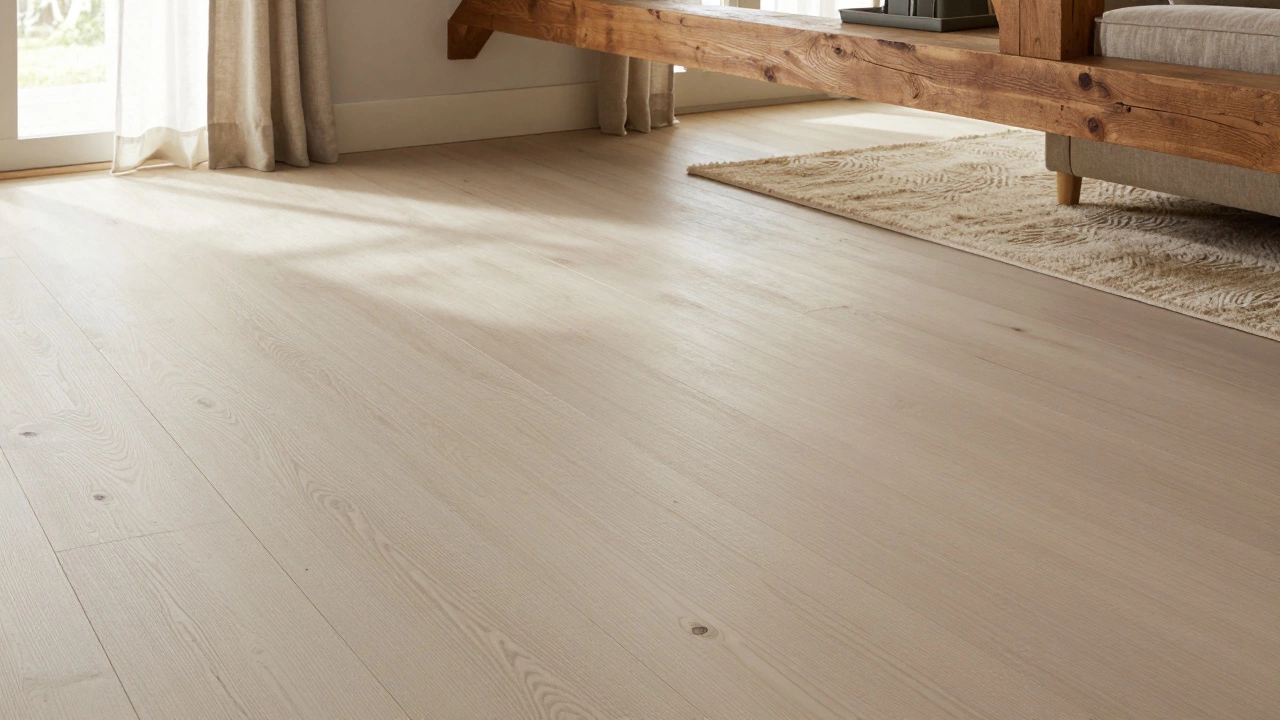
Joanna Gaines uses warm, wide-plank white oak hardwood with matte finishes in most homes, along with shiplap in historic spaces and matte tile in kitchens and bathrooms. She avoids dark stains, laminate, and glossy floors, favoring natural, lived-in textures that age gracefully.