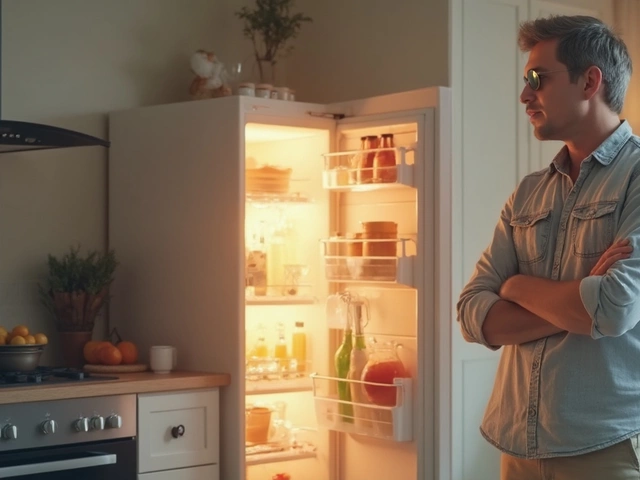
Fire Safety in Home Construction: Essentials for UK Homes
When we talk about fire safety, the set of practices and regulations designed to prevent fires and protect lives in buildings. Also known as building fire protection, it’s not just about having a smoke alarm—it’s about how a house is built, what it’s made of, and how escape routes are planned from the start. Too many people think fire safety is an afterthought, something you add after the walls go up. But the truth? The best fire safety starts before the first brick is laid.
Take building codes, legally required standards that dictate how structures must be built to ensure safety, including fire resistance and evacuation routes. In the UK, these aren’t suggestions—they’re enforced by local authorities. A kitchen renovation might look great with new cabinets and quartz counters, but if the walls around the stove don’t meet fire-resistant standards, you’re risking more than damage—you’re risking lives. The same goes for fire-resistant materials, building products like gypsum board, fire-rated glass, and non-combustible insulation that slow the spread of flames. These aren’t luxury upgrades. They’re the difference between a controlled incident and a total loss.
And then there’s the stuff you can’t see: smoke alarms, devices that detect smoke early and give you precious minutes to escape. A lot of homes in the UK still have outdated or dead alarms. Some even have them tucked away in hallways where smoke never reaches. The best placement? Inside every bedroom, outside sleeping areas, and on every level—including the basement. And don’t forget: alarms need testing monthly and replacement every ten years. It’s simple, but most people forget.
Fire safety isn’t just for new builds. If you’re renovating an older home, you’re often required to upgrade fire safety to current standards—even if you’re just replacing a bathroom or adding a loft conversion. That means checking escape routes, ensuring stairwells are clear, and making sure electrical wiring doesn’t overload old circuits. A 1970s house with original wiring and no fire doors? That’s not charming. That’s dangerous.
What you’ll find in the posts below are real examples of how fire safety plays out in actual homes. From why certain materials are used in commercial builds (and how that applies to your kitchen), to how insulation choices affect fire spread, to what happens when a fridge is placed too close to a heat source. These aren’t theory pieces. They’re lessons learned from jobs done across the UK—by people who’ve seen what happens when fire safety is ignored.
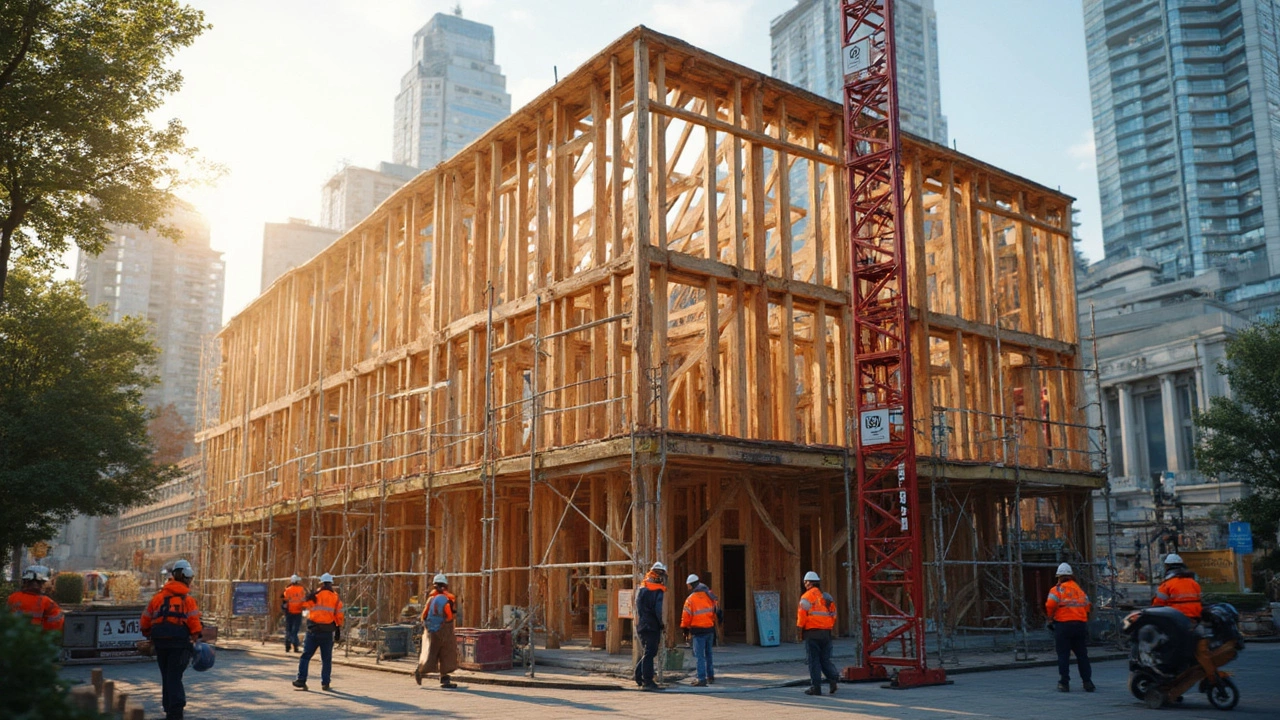
Type 5 Construction: What Is It Called in Commercial Building?
Curious about Type 5 construction? This article breaks down exactly what it means, why it's called 'wood-frame,' and where you'll spot it in commercial builds. We cover the nuts and bolts, the main rules, and what makes Type 5 different from the other types. You'll get practical tips about fire safety and insurance, plus learn which projects are a good fit for this approach. Perfect for anyone puzzled by the building code jargon or planning a commercial project on a budget.
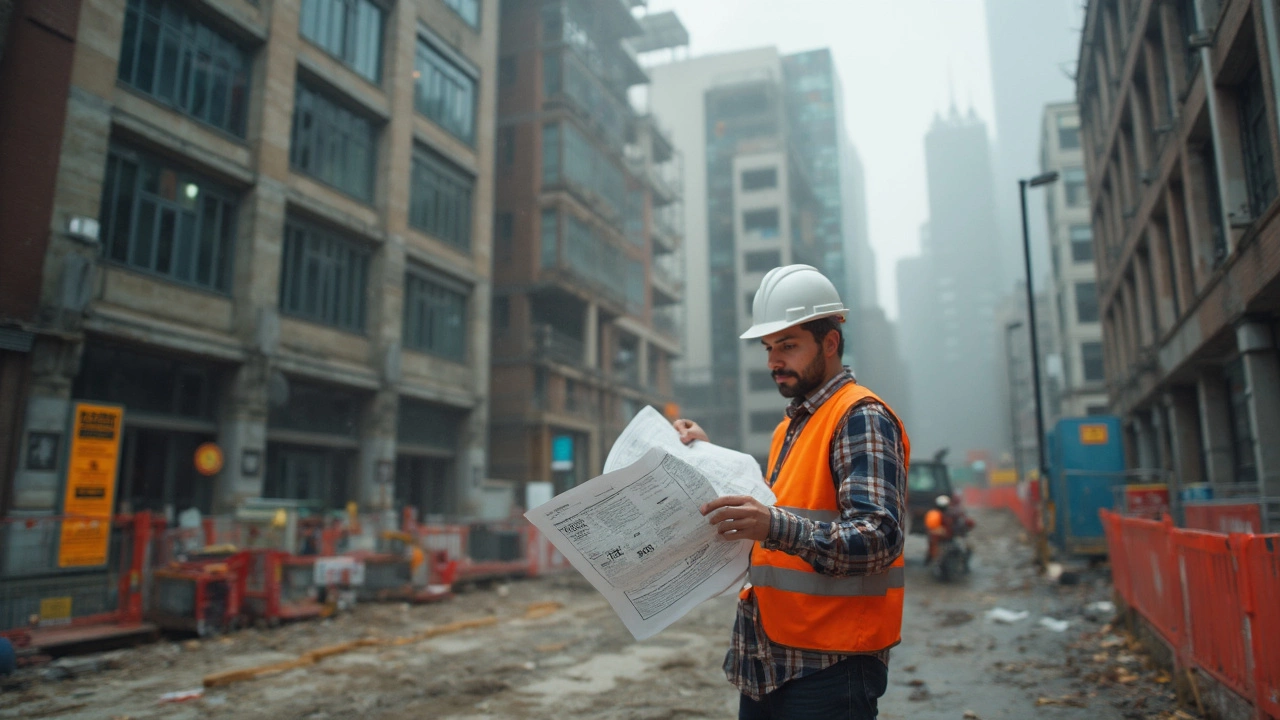
Type C Construction: What It Means for Your Building Project
Type C construction is a term thrown around a lot in commercial building projects, but plenty of business owners and even some contractors aren’t totally sure what it covers. This article breaks down exactly what type C construction means, how it compares with other types, and when you’ll run into it. You’ll also get practical info about the codes, materials, and fire safety rules that go along with it. By the end, you’ll know if type C is the right fit for your build or upgrade.