Foundation Crack: What It Means and How to Fix It
When you spot a foundation crack, a visible break in the concrete or masonry that supports your home’s structure. Also known as structural crack, it’s one of the most common signs your house might be shifting under pressure. Not all cracks are dangerous—but some are silent warnings that need action before they turn into costly repairs.
Foundation cracks happen for reasons you might not expect. It’s not always bad soil or poor construction. Even homes built 20 years ago can still settle, especially if the ground around them gets too wet or too dry. Seasonal changes, tree roots pulling moisture from the soil, or even nearby construction can cause your foundation to move. A thin vertical crack near a corner? Often harmless. A wide horizontal crack running across a wall? That’s a red flag. And if you notice doors sticking, windows jamming, or floors sloping, you’re likely dealing with foundation movement, the gradual shifting of a home’s base that can lead to structural damage over time. This isn’t just about aesthetics—it’s about safety and long-term value.
Many people panic when they see a crack, but the real issue is understanding the type and cause. Hairline cracks from curing concrete? Usually fine. Cracks wider than a quarter inch? That’s when you call a pro. Cracks that are getting wider over months? That’s house settlement, the natural or uneven sinking of a home’s foundation after construction—and it needs evaluation. You’ll find posts in this collection that break down exactly how to spot the difference, what tools inspectors use, and which fixes actually last. Some cracks can be sealed with epoxy. Others need steel braces, piers, or even full underpinning. The right fix depends on your soil, your home’s age, and how fast the crack is changing.
What you’ll find here aren’t generic advice or scare tactics. These are real stories from homeowners who’ve dealt with foundation issues—from the first crack they noticed to the final repair. You’ll see cost breakdowns, before-and-after photos, and clear explanations of when to act and when to wait. Whether you’re a new homeowner, planning a renovation, or just trying to understand why your basement wall is cracking, this collection gives you the facts you need to make smart, calm decisions.
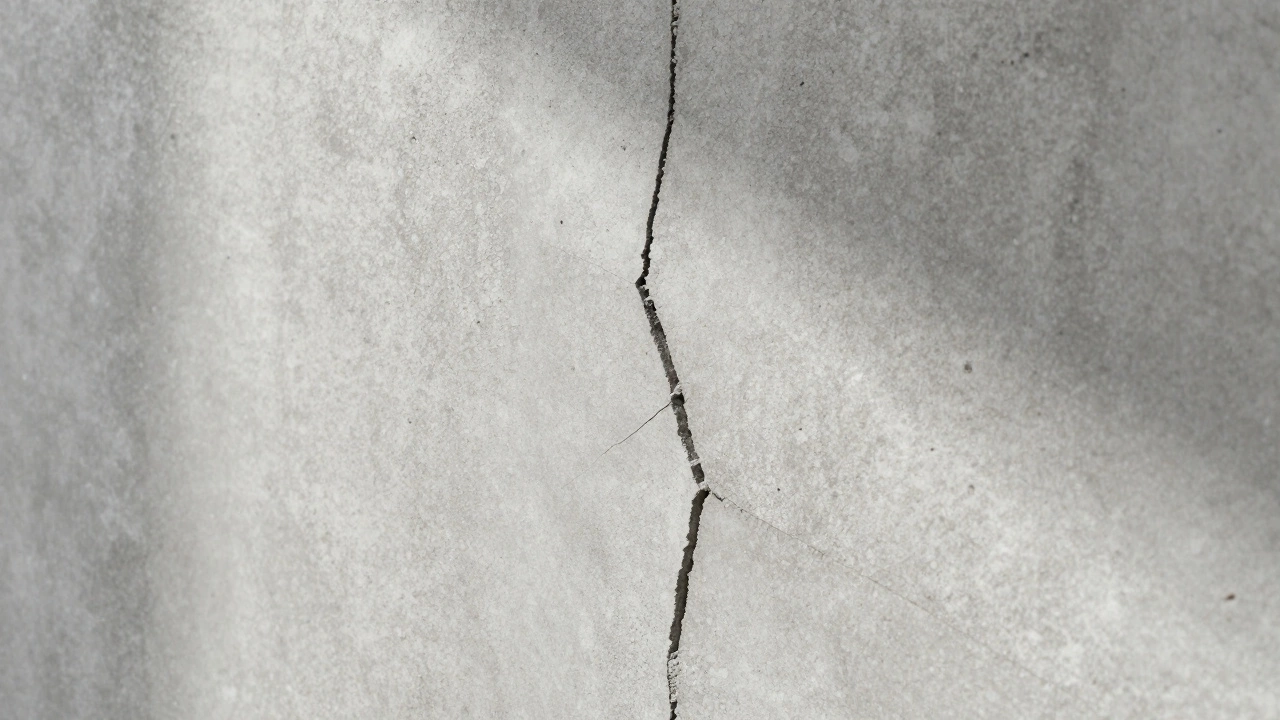
What Does a Bad Foundation Crack Look Like? Signs You Can't Ignore
Not all foundation cracks are dangerous. Learn how to spot the dangerous ones - width, pattern, and location matter. In New Zealand, soil shifts and rain make foundation damage common. Know the signs before it's too late.
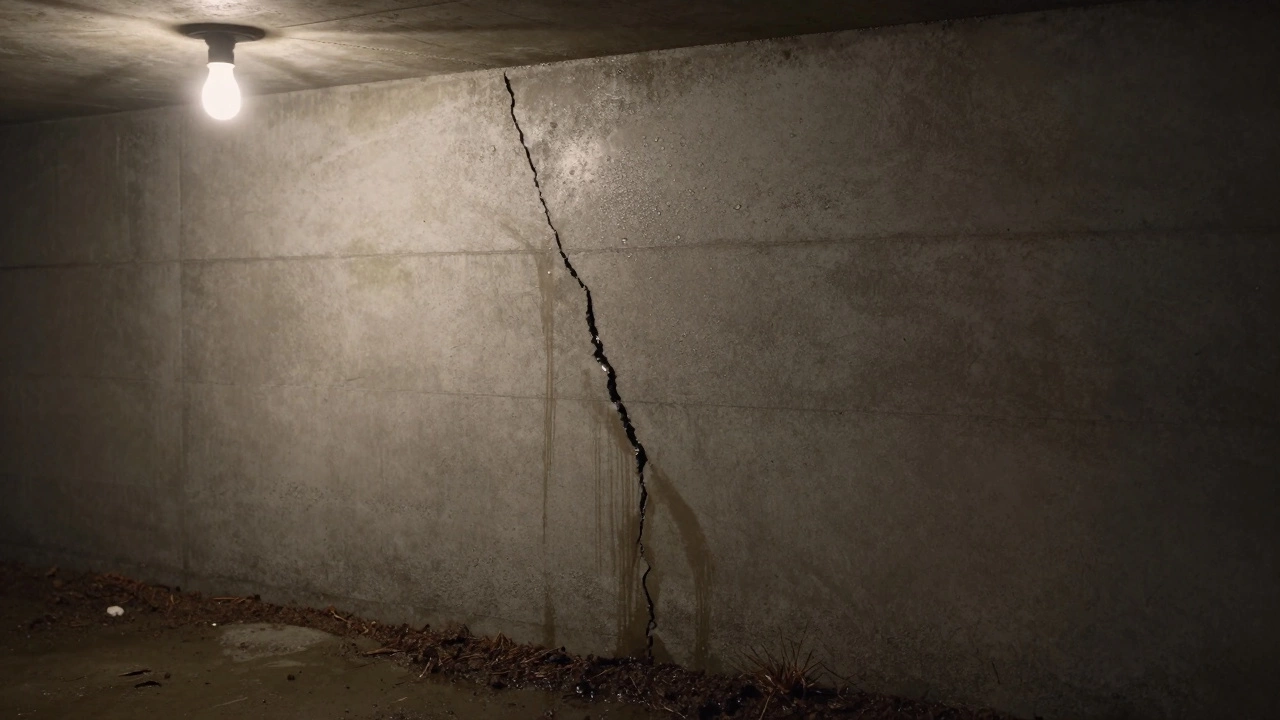
What Happens If You Don't Fix a Foundation Crack?
Ignoring a foundation crack can lead to water damage, structural shifts, mold, plumbing failure, and even partial collapse. In Auckland’s wet climate, small cracks worsen quickly-repairing early saves thousands and protects your home’s value.
Foundation Crack Repair: Can You Really Do It Yourself?
Thinking about tackling that crack in your foundation solo? This article breaks down when a DIY fix is smart, when you should call in the experts, and what goes into a solid foundation crack repair. Get tips, real warnings, and straight answers about which cracks you can handle, which ones to skip, and what tools you’ll need if you go for it. Expect practical guidance that saves you time, money, and a headache later on.