Garden Maintenance: Simple Tips to Keep Your Outdoor Space Thriving
When you think of garden maintenance, the regular tasks needed to keep outdoor spaces healthy, attractive, and functional. Also known as landscaping upkeep, it’s not just about cutting grass—it’s about understanding how soil, weather, and plants work together in your specific corner of the UK. Many people assume a beautiful garden means hours of work, but the truth is, smart habits beat endless effort. You don’t need fancy gear or a green thumb—just consistency and a few key moves.
Lawn care, the practice of maintaining grass to stay thick, green, and free of weeds is often the first thing people think of. But a healthy lawn starts long before the mower comes out. Aeration in spring, proper watering (early morning is best), and letting clippings stay on the lawn instead of bagging them? Those are the real secrets. Skip the chemical fertilizers unless your soil test says you need them. Most UK gardens do fine with compost and a little organic feed. And don’t forget: mowing too short stresses grass and invites weeds. Keep it at 2.5 to 3 inches, especially in summer.
Plant care, the ongoing attention given to shrubs, flowers, and trees to ensure growth, bloom, and survival through seasons is where people get stuck. Pruning isn’t just trimming—it’s guiding growth. Cut back dead wood in late winter, shape hedges after flowering, and mulch around roots to hold moisture and block weeds. Roses, lavender, and fruit trees all need different handling, but the rule is simple: observe. If leaves turn yellow, check drainage. If flowers disappear, look for pests. You don’t need a degree in botany—just a few minutes each week walking your garden with your eyes open.
Garden tools, the equipment used to perform maintenance tasks like cutting, digging, and clearing matter more than you think. A sharp pair of secateurs does more than a dull lawnmower. Clean your tools after each use—rust kills efficiency. Store them dry. A good wheelbarrow, kneeling pad, and sturdy gloves can save your back and your patience. You don’t need to buy everything at once. Start with the basics: a trowel, rake, pruners, and a hose with a spray nozzle. That’s it.
Weather plays a huge role here. UK gardens face wet winters, dry spells in summer, and unpredictable springs. That means flexibility. A mulch layer in autumn protects roots from frost. A cover over tender plants during a late freeze can save your entire border. And don’t panic if things look messy in January—gardens aren’t meant to be perfect. They’re meant to grow, change, and come back.
What you’ll find below aren’t generic tips copied from a website. These are real fixes, real mistakes, and real results from people who’ve been there—whether they’re reviving a neglected back garden in Bristol or upgrading a small courtyard in Manchester. No fluff. No jargon. Just what works, when it works, and why.
What Does a Landscaper Actually Do? A Clear Look at Their Day‑to‑Day Tasks
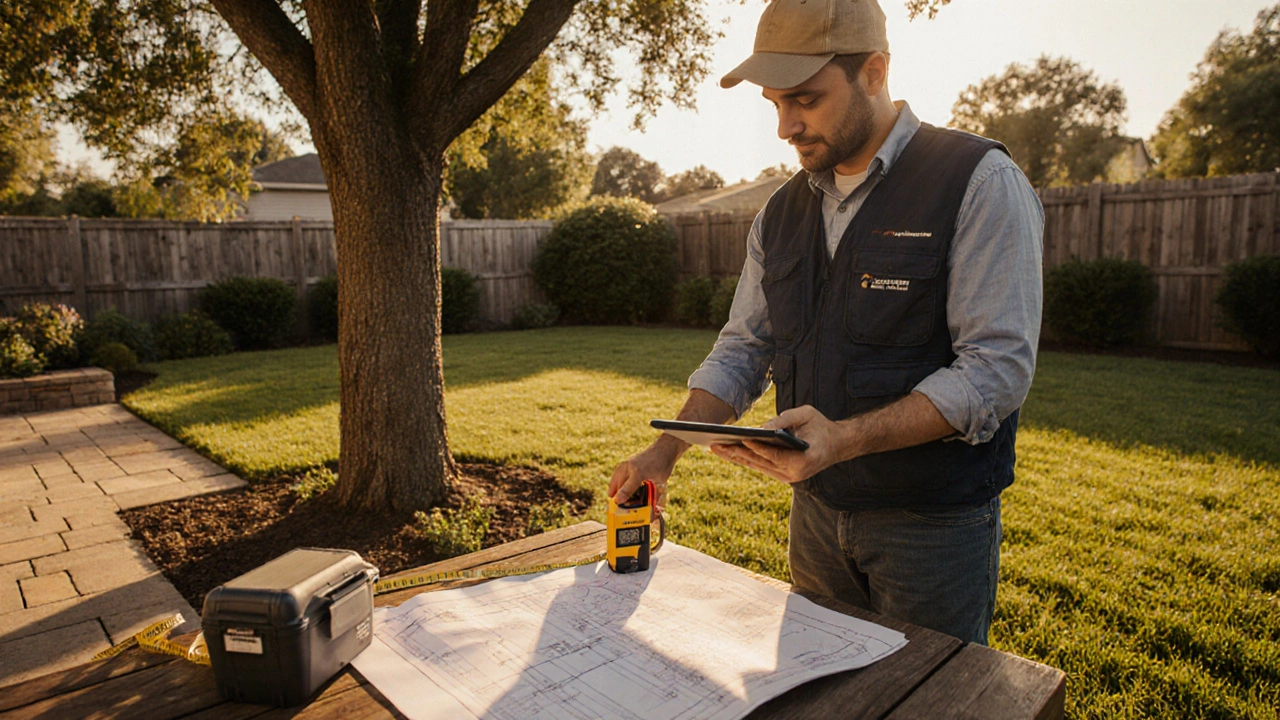
Discover the real duties of a landscaper, from design and hardscape work to planting, irrigation, and maintenance, plus tips for hiring the right pro.