House Insurance: What It Covers and How to Get Real Protection
When you think about house insurance, a financial safeguard for your home against damage, theft, or liability. Also known as home insurance, it's not just something your lender requires—it's what keeps you from losing everything if a storm floods your basement or a fire destroys your kitchen. Most people assume their policy covers everything, but that’s not true. The difference between a claim that pays out and one that gets denied often comes down to what’s written in the fine print—and whether your home’s condition matches what the insurer expected when you signed up.
For example, if you’ve been ignoring a crack in your foundation, your structural integrity, the ability of a building to support its weight and resist collapse under stress might be compromised. House insurance typically won’t cover damage from long-term neglect, even if the crack suddenly worsens. That’s why posts like Can You Live in a House with a Cracked Foundation? and Can a House Still Settle After 20 Years? matter—they show you the hidden risks insurers watch for. Same goes for property insurance, a broader term that includes coverage for buildings and personal belongings: if you’ve upgraded your flooring to high-end materials without telling your insurer, you might not get full replacement value after a water leak.
It’s not just about big disasters. Small things add up. A leaky roof that’s been patched for years? That’s wear and tear—not covered. An old electrical system that caused a short? That could void your claim. But if you’ve kept records of repairs, got professional inspections, or installed smart water shutoffs, you’re building a paper trail that insurers respect. That’s why guides like What Adds the Most Value in a Renovation? aren’t just about resale—they’re about protecting your investment. And if you’ve ever wondered why your neighbor’s claim got approved while yours didn’t, it’s often because they documented their home’s condition before the problem got worse.
House insurance isn’t a one-time purchase. It’s an ongoing conversation with your provider. If you’ve added a deck, finished your basement, or replaced your roof, you need to update your policy. Otherwise, you’re underinsured. And if you live in an area prone to flooding or subsidence, you might need separate coverage—standard policies often exclude those. The posts below give you real examples of what’s covered, what’s not, and how to talk to your insurer without sounding like you’re trying to game the system. You’ll find advice on what to ask before you sign, how to spot coverage gaps, and what repairs actually matter when it comes to keeping your home—and your claim—safe.
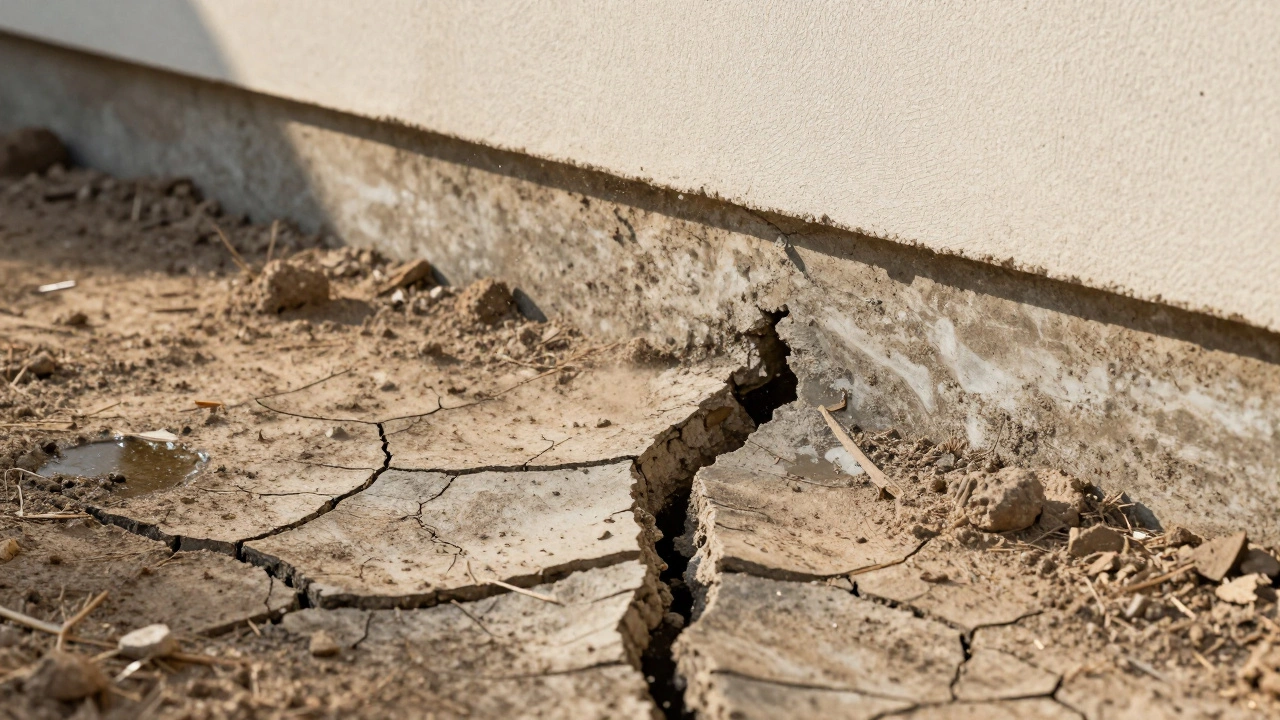
Does House Insurance Cover Foundation Issues? What You Need to Know
Most home insurance policies in New Zealand don't cover foundation damage from gradual wear and tear. Learn what causes foundation issues, when insurance might pay out, and how to protect your home before it's too late.