House Safety: Essential Tips for a Secure Home
When we talk about house safety, the collective practices and structural features that protect occupants from harm within a home. It’s not just about locks and alarms—it’s about how your walls hold up, how your wiring behaves, and whether your foundation can last decades without hidden risks. Many people think safety means buying a security system, but the real dangers often come from things you can’t see—like outdated wiring, poor ventilation, or slow foundation movement.
Structural integrity, the ability of a building’s framework to support weight and resist damage over time is the quiet backbone of house safety. A house can settle after 20 years, as we’ve seen in real cases, and small cracks in the foundation can grow into major issues if ignored. That’s why knowing how to spot early signs—like sticking doors, uneven floors, or diagonal cracks near windows—matters more than any smart lock. Then there’s fire safety, the systems and habits that prevent fires from spreading and give occupants time to escape. Smoke alarms are basic, but placement matters: putting them near kitchens and bedrooms, not just hallways, can make all the difference. And don’t forget about electrical safety, the condition and design of wiring that prevents overheating, shocks, and short circuits. Incandescent bulbs might be cheap, but they waste energy and get dangerously hot. Switching to LEDs isn’t just about saving money—it’s a fire prevention step.
House safety also ties into how your space is built. The difference between residential and commercial construction isn’t just size—it’s code. Homes follow different rules than offices or stores, and those rules exist for a reason. For example, bathroom layouts aren’t just about style; where you put the fridge, how you tile the floor, and whether walls go up before the floor all affect moisture control and long-term safety. Even something as simple as cushion replacement on your sofa might seem unrelated, but worn-out furniture can lead to trips and falls—especially for older adults. Safety isn’t one big upgrade. It’s a chain of small, smart choices.
Below, you’ll find real-world guides that cut through the noise. Whether you’re wondering if your house can still settle after 20 years, whether your lighting is a hidden hazard, or how to tell if your renovation is actually making your home safer, these posts give you straight answers—no fluff, no sales pitch. This isn’t theory. It’s what builders and inspectors actually look for.
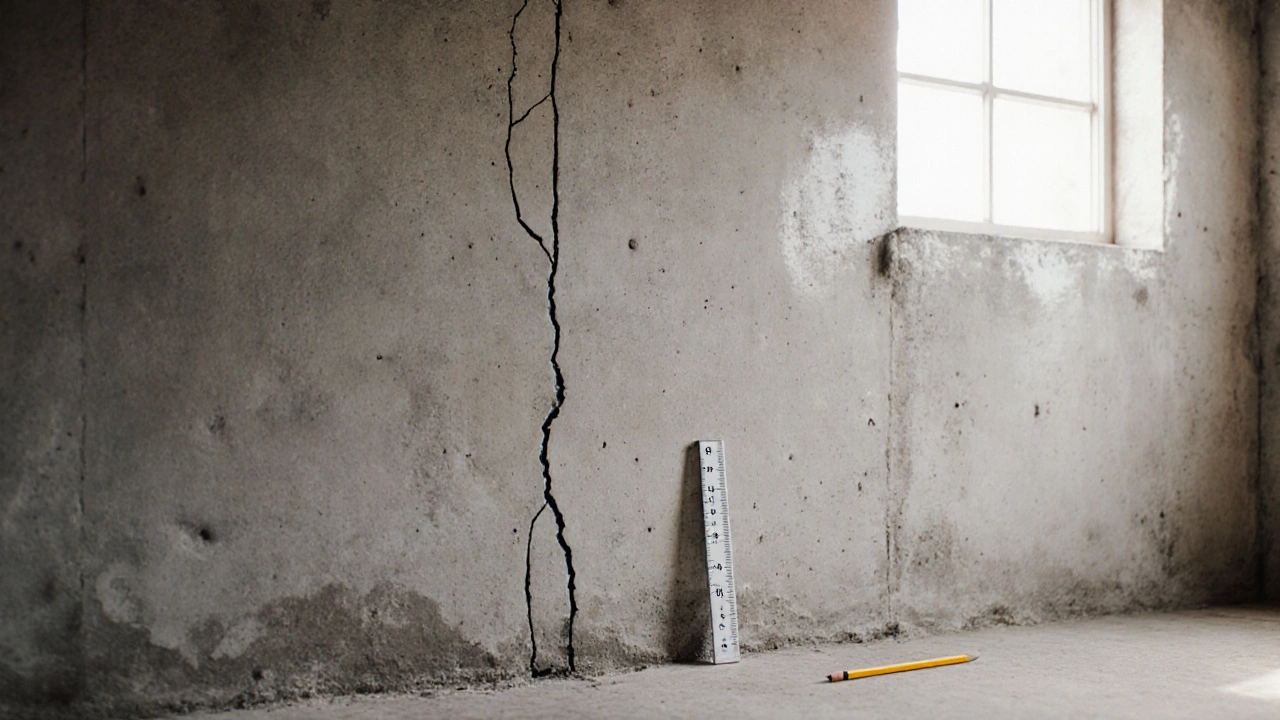
Can You Live in a House with a Cracked Foundation? What You Need to Know Now
Living with a cracked foundation is possible-but only if you know the difference between harmless cracks and dangerous structural damage. Learn the signs, costs, and when to act before it's too late.