Industrial Construction: What It Really Means and How It Differs
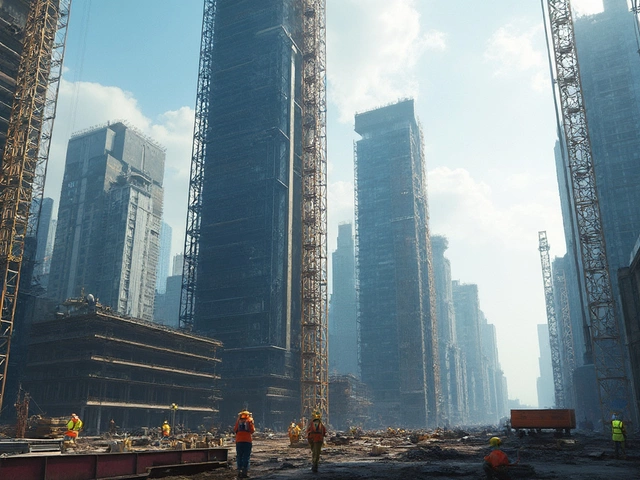
When we talk about industrial construction, the process of building facilities like factories, power plants, warehouses, and manufacturing sites designed for heavy machinery, high traffic, and long-term operational use. Also known as heavy construction, it’s not about cozy homes or sleek offices—it’s about function, durability, and scale. This isn’t the same as residential work, where comfort and aesthetics come first. Industrial sites need to handle tons of equipment, extreme temperatures, constant vibration, and safety standards that can make a home renovation look simple.
Think of the difference between building a house and building a steel mill. One is for living; the other is for making things. Commercial construction, which covers offices, retail stores, and hotels, still focuses on people moving through spaces comfortably. But industrial construction, is built for machines, logistics, and efficiency. It uses thicker concrete, heavier steel beams, reinforced foundations, and specialized ventilation systems you won’t find in a shopping center. The building codes? They’re stricter, often governed by OSHA and local industrial safety rules, not just residential zoning laws. Materials matter too—industrial projects rely on things like structural steel, precast concrete, and corrosion-resistant coatings. You won’t see drywall or hardwood floors here. Instead, you’ll find epoxy floors, overhead cranes, and blast-resistant walls.
Scale is another big divider. A home might take 6 months. An industrial plant? That can take years. Projects often involve multiple contractors—structural engineers, HVAC specialists for extreme environments, electrical teams handling high-voltage systems—and every step has to line up perfectly. Delays in one area can stall the whole thing. And unlike a kitchen remodel, you can’t just pause and live somewhere else. These sites need to be built right the first time, because fixing mistakes later costs millions.
What you’ll find in the posts below isn’t just theory. It’s real talk about what goes into these projects—the materials used, how they’re regulated, how they compare to other types of construction, and why cutting corners isn’t an option. Whether you’re planning a warehouse, curious about how factories are built, or just trying to understand why industrial work costs so much, these articles break it down without the jargon. No fluff. Just what you need to know.
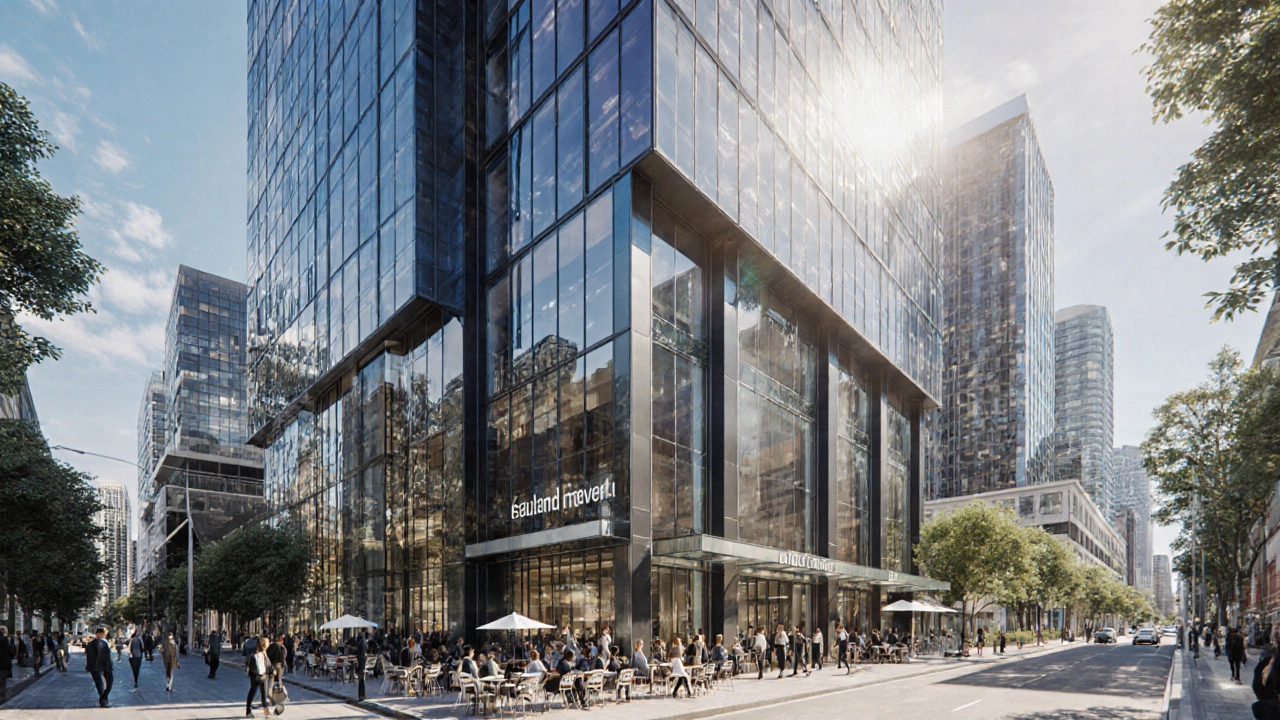
Commercial vs Industrial Construction: Key Differences Explained
Learn the core differences between commercial and industrial construction, covering purpose, design focus, costs, regulations, and real‑world examples.