Inefficient Lighting: Why Poor Lighting Wastes Energy and How to Fix It
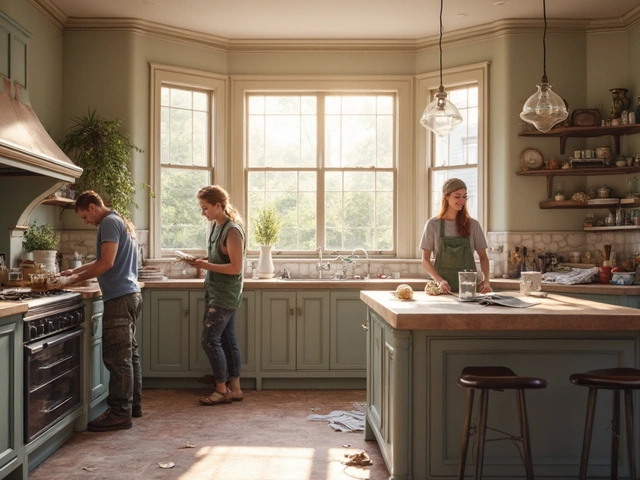
When you turn on a light and feel like it’s doing more harm than good, you’re probably dealing with inefficient lighting, a system that uses too much electricity for the amount of light it produces. Also known as poor lighting design, it’s not just about old bulbs—it’s about layout, placement, and choosing the wrong type of light for the job. Think of it like driving a car with the parking brake on: you’re paying for power, but you’re not getting the movement you need. Many homes still rely on outdated fixtures, bulbs that glow too dimly or too harshly, or lights placed where they don’t help—like a bright overhead lamp in a bathroom that casts shadows on your face while you get ready.
Energy waste, the unnecessary use of electricity that doesn’t improve comfort or function often comes from three places: using incandescent or halogen bulbs where LEDs should be, placing lights too far from where tasks happen, or leaving lights on in empty rooms. You don’t need fancy tech to fix this. A simple switch to LED bulbs can cut your lighting energy use by 75%—and last 25 times longer. But even that’s not enough if the light’s in the wrong spot. Look at your kitchen: if your fridge is tucked in a corner and you’re standing in the dark to grab milk, that’s inefficient lighting. Same goes for a hallway with one dim ceiling light that leaves half the space shadowed. These aren’t design flaws—they’re cost leaks.
Lighting design, the intentional arrangement of light sources to support how a space is used isn’t about aesthetics alone. It’s about function. A well-lit bathroom doesn’t need 10 bulbs—it needs focused light around the mirror. A living room doesn’t need one bright central fixture—it needs layered light: ambient, task, and accent. That’s why the best fixes aren’t expensive. They’re smart: adding under-cabinet lights in the kitchen, swapping out a single ceiling fixture for two wall sconces in the bedroom, or installing motion sensors in closets and hallways. These aren’t luxury upgrades. They’re basic upgrades that stop money from slipping away.
What you’ll find in the posts below aren’t theory-heavy guides or marketing fluff. They’re real, practical examples from people who fixed their lighting and saw the difference—in their bills, their comfort, and their daily routines. You’ll see how proper lighting placement in the kitchen saves energy, how outdated fixtures drag down home value, and why replacing a single bulb can change how you use a room. No jargon. No guesswork. Just clear fixes that work.
What Is the Most Inefficient Type of Residential Lighting?
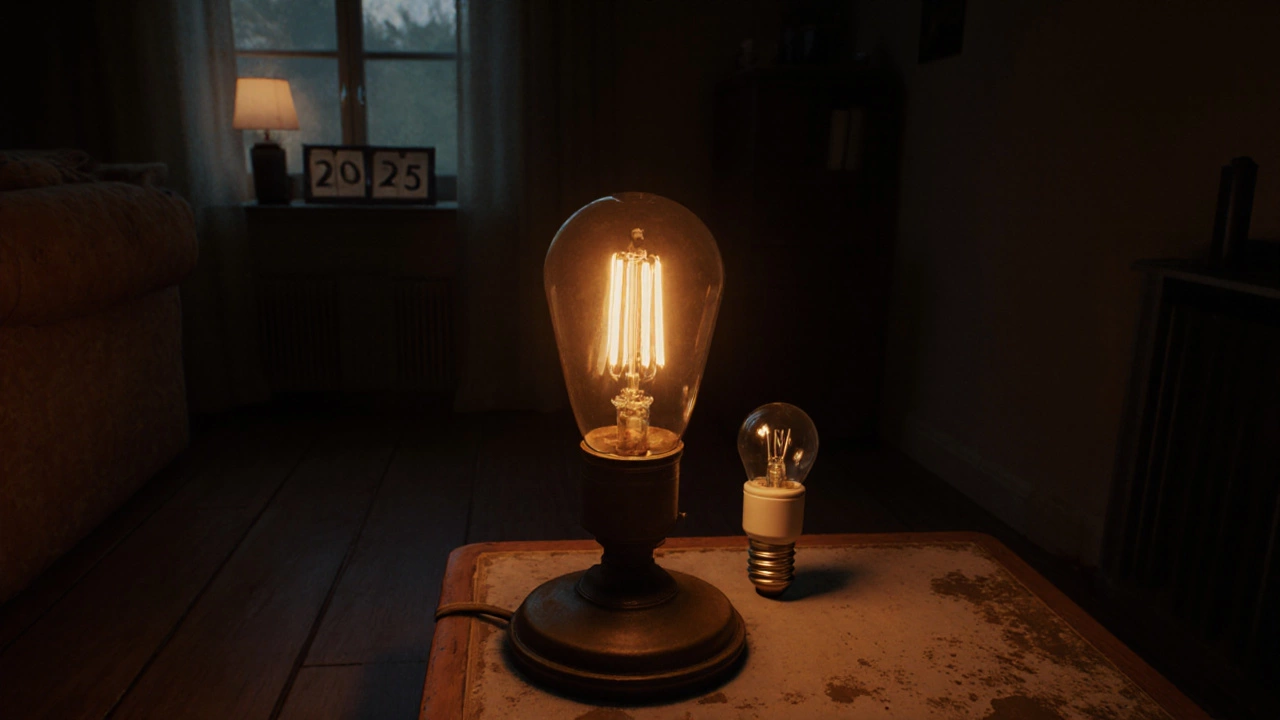
Incandescent bulbs are the most inefficient residential lighting option, wasting over 90% of energy as heat. Switching to LEDs cuts lighting bills by up to 90% and lasts decades longer.