Interior Design Differences: What Sets Styles Apart and How to Choose
When people talk about interior design differences, the variations in how spaces are planned, finished, and used based on purpose, budget, and lifestyle. Also known as space planning approaches, it’s not just about color schemes or furniture—these differences determine whether a room feels like home or just looks good in a magazine.
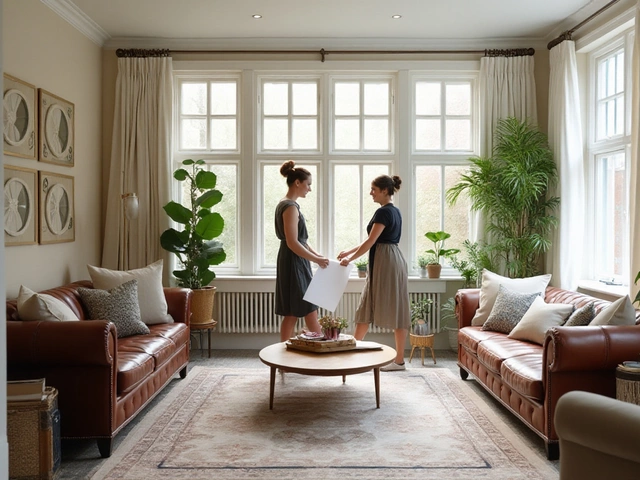
The biggest split is between residential interior design, focused on comfort, personal expression, and long-term livability and commercial interior design, built for efficiency, safety, and high traffic flow. A living room might have soft edges, warm lighting, and mismatched cushions because someone loves to curl up with a book. A doctor’s waiting room? Hard-wearing floors, clear signage, and seating arranged so people don’t block the exit. One isn’t better—it’s just built for different needs. You can’t copy a boutique hotel’s design into your kitchen and expect it to work the same way. The materials, codes, and even the way people move through the space change everything.
Even within homes, interior design differences show up in small but powerful ways. Where you put the fridge isn’t just about looks—it’s about how many steps you take between the sink, stove, and fridge each day. The height of your countertops affects whether you’re leaning over or standing straight while chopping veggies. Door colors? They don’t just match the walls—they change how light bounces, how big a room feels, and even how calm or energized you feel walking in. These aren’t random choices. They’re responses to real behavior, real time, and real life.
Some trends make sense for a while—like all-white kitchens or open floor plans—but they don’t fix bad layout. A designer might pick a bold door color because it draws the eye away from a narrow hallway. A homeowner might choose a durable fabric because they have kids and pets. One is style. The other is survival. The best designs don’t shout—they solve problems quietly. That’s why you’ll find posts here about fridge placement, living room layouts, and even how to revive old couch cushions. They’re all part of the same conversation: how spaces actually work for the people inside them.
What you’ll find below isn’t a list of pretty pictures. It’s a collection of real-world examples showing how small decisions create big differences. Whether you’re remodeling a bathroom for $10,000, deciding if walls or floors go first, or just trying to make your living room feel less like a showroom, the answers aren’t in catalogs. They’re in how you live—and what your space lets you do.
What Is the Difference Between Modern and Contemporary Interior Design?
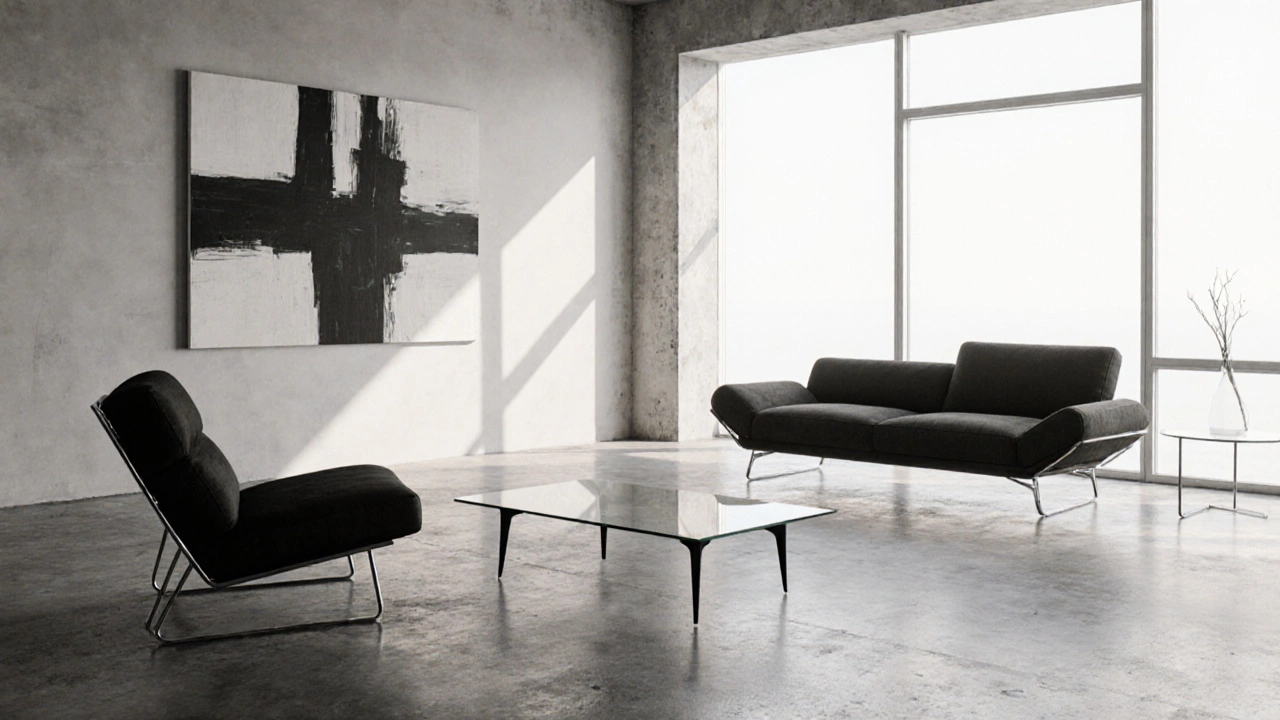
Modern interior design is a 1920s-1950s movement focused on clean lines and function. Contemporary design reflects today’s trends with warmth, texture, and evolving styles. Learn how to tell them apart and choose what fits your life.