Lighting Fixtures: Types, Trends, and How to Choose the Right Ones for Your Home
When we talk about lighting fixtures, physical devices that hold and power light sources in homes and buildings. Also known as light fittings, they’re not just about brightness—they shape how you feel in a room, guide your movement, and even affect your sleep. The right fixture can turn a dull space into a warm, inviting one. The wrong one? It can make even the best-designed room feel cold or overwhelming.
Not all lighting fixtures are the same. You’ve got LED lighting, energy-efficient light sources that last years and use far less power than old bulbs, which now dominate modern homes because they cut bills and don’t overheat. Then there’s interior lighting, the layered approach of ambient, task, and accent lights that work together to create function and mood. A kitchen needs bright task lighting over the counter, but the dining area? That’s where a pendant fixture adds warmth and focus. Living rooms often use wall sconces or floor lamps to soften the light and avoid harsh shadows.
People used to think lighting was just about how much light you got. Now, it’s about control, color, and rhythm. Smart lighting lets you change brightness and hue with your phone. Dimmers aren’t a luxury anymore—they’re basic. And color temperature? Warm white (2700K) feels cozy in bedrooms. Cool white (4000K+) is better for garages or home offices. Mixing them wrong makes your space feel off, even if everything else looks perfect.
Fixtures also have to match your style. A rustic farmhouse doesn’t need sleek chrome track lights. A modern loft looks weird with ornate crystal chandeliers. The best lighting doesn’t shout—it fits. That’s why so many homeowners now start with layout before buying bulbs. Where do you sit? Where do you cook? Where do you read? Those questions come before brand names or price tags.
And yes, efficiency matters. That old incandescent bulb you’re still using? It wastes over 90% of its energy as heat. Switching to LED isn’t just eco-friendly—it saves hundreds a year. But it’s not just about saving money. Poor lighting strains your eyes, makes tasks harder, and even affects your mood over time. You wouldn’t ignore a leaky faucet. Don’t ignore a flickering or badly placed light.
What you’ll find below are real, no-fluff guides on exactly what works and what doesn’t. From why you should never put a fridge next to your kitchen’s main light switch, to how to pick the right fixture for a bathroom with no window, to why modern and contemporary lighting aren’t the same thing—these posts cut through the noise. No theory. No hype. Just clear, practical advice from people who’ve done the work, made the mistakes, and fixed them.
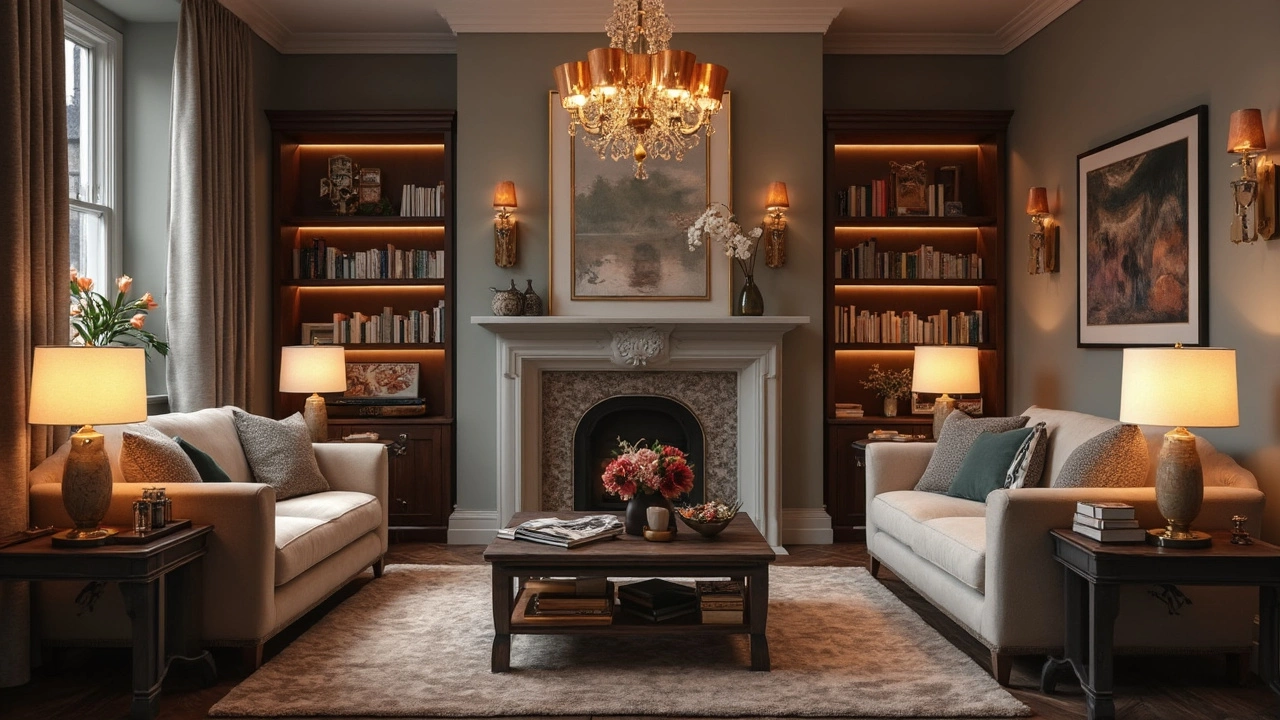
Best Lighting for a House: How to Get It Right Every Time
Picking the right lighting for your house isn’t as easy as screwing in a bulb. This article breaks down what actually works in real homes—whether you’re after cozy, super-bright, or something in between. You’ll find out why layering your lights matters, the biggest mistakes people make, and how LEDs have totally changed the game. Get tips to make bedrooms relaxing, kitchens practical, and living rooms look like they came out of a decor magazine.