Occupancy Type: What It Means for Your Home or Building Project
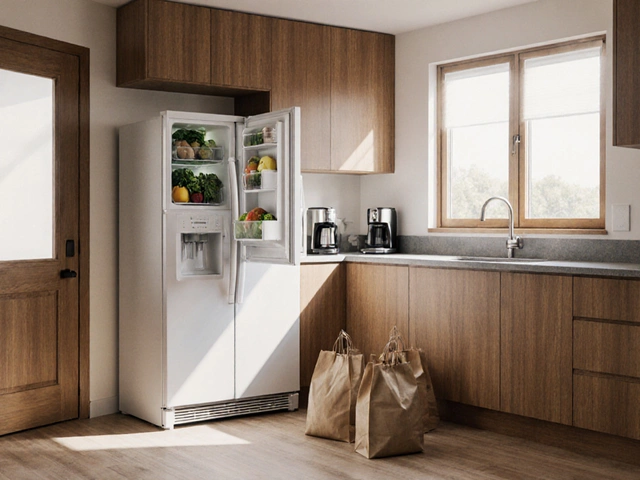
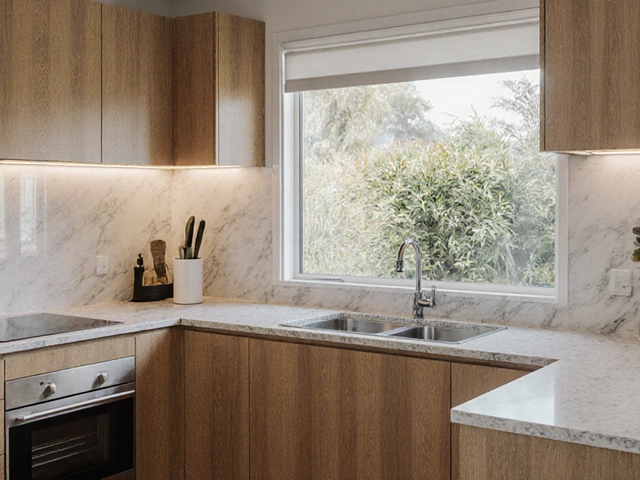
When you start a building project, whether it’s a kitchen remodel or a whole new house, the occupancy type, the official classification of how a building will be used. Also known as building use classification, it determines everything from the thickness of your walls to the number of exits you need. This isn’t just paperwork—it’s the reason your bathroom has to be a certain distance from your stove, why your office building needs fire alarms on every floor, and why you can’t turn a garage into a bedroom without checking local rules.
There are clear categories: residential construction, buildings meant for people to live in, like houses, apartments, and condos, and commercial construction, spaces used for business, retail, offices, or public services. A school? That’s not residential. It’s not industrial. It’s a specific building classification, a legal category that affects safety standards, insurance, and permits. And if you’re thinking of converting a warehouse into lofts, you’re changing the occupancy type—and that triggers a whole new set of rules.
Why does this matter to you? Because skipping this step can cost you big. A contractor might install cheap drywall in a home because it’s allowed for residential use. But if you later turn that space into a daycare, that same drywall might not meet fire safety codes for commercial occupancy. Your insurance could deny a claim. The city could force you to tear it out. Or worse—you could put people at risk.
Some occupancy types have hidden surprises. A home-based business might seem harmless, but if clients regularly come to your house, you might already be operating under commercial occupancy rules. A loft above a shop? That’s mixed-use, and it needs separate systems for each part. Even something as simple as adding a second kitchen in a basement can change your occupancy classification if it’s meant for long-term living.
The posts below cover real cases where occupancy type made all the difference. You’ll find guides on why schools are classified differently than offices, how building codes shift between residential and commercial projects, and what happens when you try to bend the rules. We’ve pulled together stories from people who learned the hard way—and others who planned ahead and saved thousands.
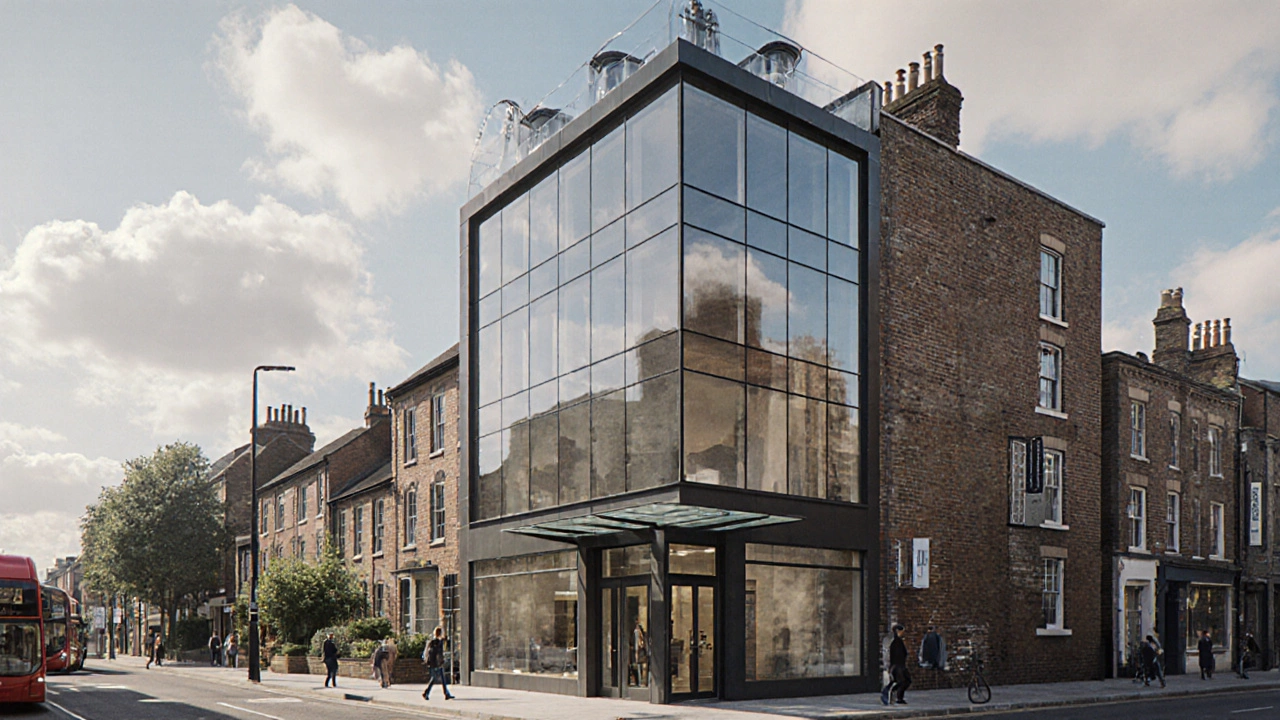
Defining a Commercial Building: Key Features & Requirements
Learn what defines a commercial building, from zoning and occupancy codes to design features, financial metrics, and a quick checklist for identification.