Older Homes: Renovation Tips, Common Issues, and How to Upgrade Them Right
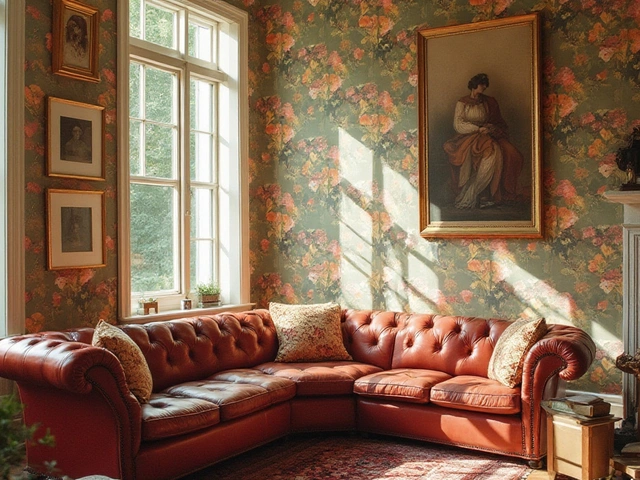
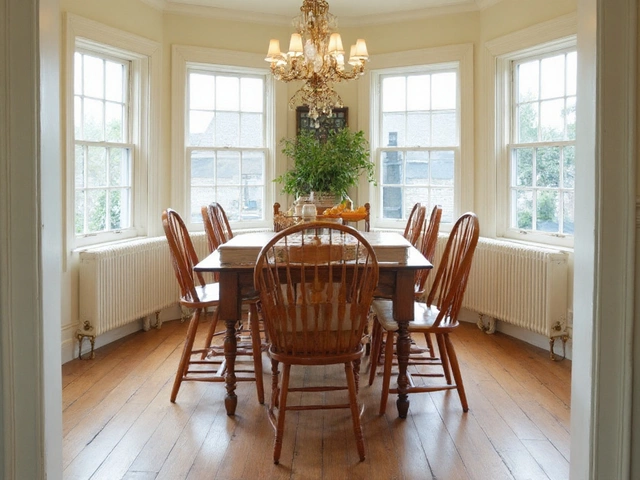
When you live in an older home, a residential property built before the 1980s, often with unique craftsmanship and layout quirks. Also known as historic homes, these houses carry stories in their floorboards and walls—but they also come with hidden problems that modern living exposes. Many people assume these homes are just charmingly outdated, but the truth is they often need smart, targeted upgrades to be safe, efficient, and comfortable. You might not realize it, but your drafty windows, uneven floors, or flickering lights could be signs of deeper issues like house settlement, the slow sinking or shifting of a home’s foundation over decades, or outdated electrical systems that can’t handle today’s appliances.
One of the biggest surprises for owners of older homes is how much energy they waste. Incandescent bulbs, common in homes built before 2000, waste over 90% of their energy as heat. Switching to LEDs isn’t just a cost-saver—it’s a necessity. These homes were also built with different priorities: airflow mattered more than insulation, kitchens were small because people didn’t cook as much, and bathrooms often had no ventilation. That’s why interior design, the practice of planning and arranging interior spaces for function and aesthetics in older homes requires a balance. You can’t just slap on modern finishes—you need to understand the structure, the original intent, and how to adapt it without breaking its soul.
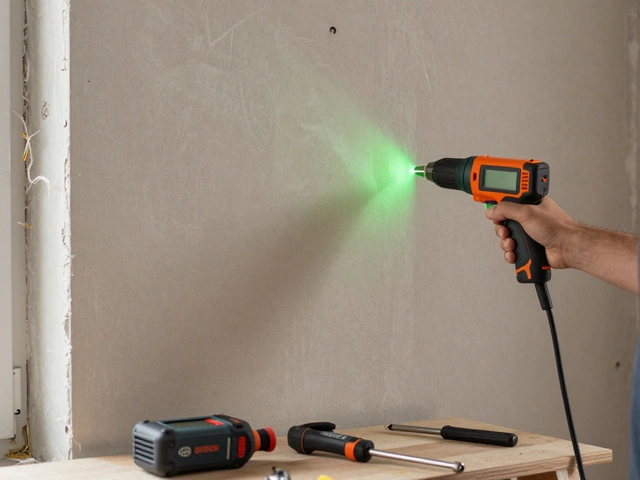
Then there’s the foundation. Even homes that are 20, 30, or 50 years old can still settle. Cracks in walls, sticking doors, or sloping floors aren’t always just "settling in"—they can mean water damage, poor drainage, or soil issues beneath the house. Fixing this isn’t about tearing everything down. It’s about diagnosing the cause and making precise repairs. And if you’re thinking about a kitchen or bathroom remodel, you need to know the order matters: walls before floors, pipes before tiles, insulation before drywall. Skipping steps leads to water damage, mold, and expensive redo’s.
What you’ll find in these posts isn’t a list of generic tips. It’s real advice from people who’ve lived in, fixed, and loved older homes. You’ll learn why putting your fridge in the wrong spot can make your kitchen exhausting to use, how to tell if your home’s lighting is secretly draining your wallet, and whether a $30,000 kitchen remodel is even possible in today’s market. You’ll see how modern design doesn’t have to clash with vintage charm—it can enhance it. And you’ll understand what’s worth keeping, what’s worth replacing, and what’s just wasting your time and money.
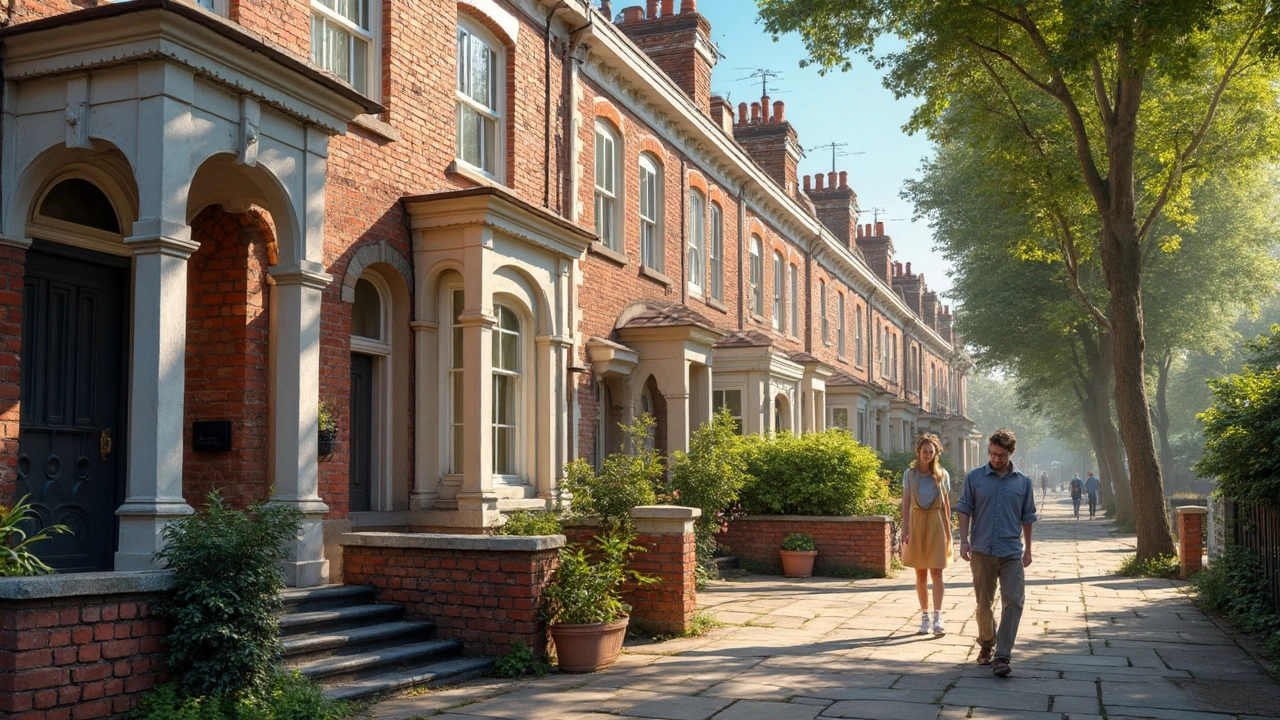
Foundation Issues in Older Homes: What Homeowners Need to Know
Curious if most older homes have foundation problems? Find expert tips, warning signs, and facts so you won't be caught off guard on your next house tour.